Our Polglase Heritage
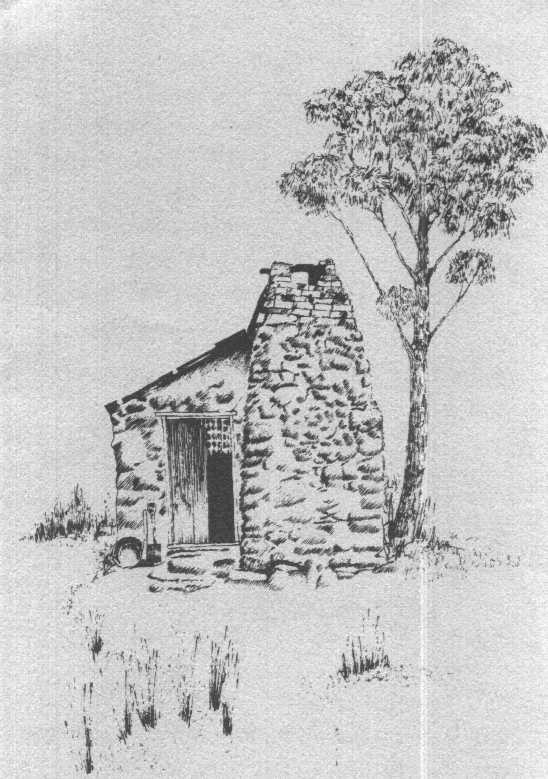
Early History
The name Polglase along with Kitto, Rowe and Polkinghorne and others, is a very common name in Cornwall . Polglase is shown as place names in Cornwall , (I am told there are 9 places named Polglase) and is said to mean ‘Glass Pool’. You may be able to spot two underlined on the map below.
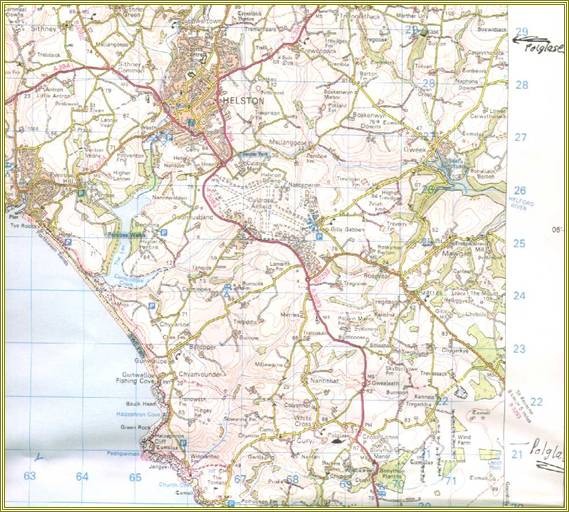
Our family have been in many parts of Cornwall for many centuries. John and his wife Mary Hosking both came from the parish of Breage, John’s ancestors had lived there from the 1500s. “The name Breage, pronounced to rhyme with vague, if you live outside the village, but for those in the village the pronunciation rhymes with breeze, was named after a saint called Breaca.
Some of the records below can not be positively documented as some documentations are simply not available for many reasons, such as lose through fire and damage etc. One main reason though is what is called ‘The Commonwealth Gap’ ; I think it should also be called ‘The Generation Gap’.
In 1640 civil war broke out in England with the royalist on one hand fighting to save King Charles 1 and the Parliamentarians (Round Heads) fighting to remove the Monarchy, making a Republic possible for the first time. The Round Heads were led by Oliver Cromwell, a puritan. Many bloody battles followed. (which resulted in Oliver Cromwell taking the crown of Charles 1st. and his head with it in 1649!!)
There followed the Act to Abolish the office of the King 17-3-1649. Abolish the House of Lords 19-3-1649. Cromwell then ruled England and abolished the monarchy, England Declared a Commonwealth (Republic) 19-5-1649, for the next 20 + years.
“A Parliamentary ordinance had declared Bishops, Deans, and Chapters abolished”. Prior to this Deans would send annual records of Baptisms Deaths and Marriage to the Bishop, these are known as Bishop’s transcripts, where they have survived they are very useful to family history researchers.
At first the Commonwealth churchmen were obliged to have Baptisms administered in their own homes, and by an edict of November 1655 even this was made a crime. Marriages from 1649-1660 were forbidden in church. In 1653 the Commonwealth government decreed the responsibility for the keeping of records of birth, marriages and deaths should be transferred to a local registrar, who would charge four-pence for the registration of a birth, and one shilling for marriages. If one could not afford the cost, the event was not registered.
From 1654 the actual marriage formalities, however were conducted by a J.P. and treated as a civil ceremony. Banns were called in the market place and the marriage celebrated at the J.P.’s. residence. In fact very few birth and marriage records are available for this period known as ‘The Commonwealth Gap’” (source, Cornwall Bishop’s transcripts).
The Cornwall Bishop’s transcripts have no records at all from 1651—1670. This makes recording families for that time a bit of guess work, you find a marriage in the 1680s so you guess they were born in the 1660s. this will be particularly evident in the 4th.. generation listed below.
Cromwell died in September 1658, Phillip Skipton took over leadership in 1659. but in 1660 Charles 11 was brought back from France and crowned King of England, but this time the King was to reign on the people’s terms as a figure head only.
The early 18th. Century, 1702 saw the death of William 3rd. Queen Anne succeeded to the throne. About this time the shops of London which had previously been little more than street stalls and markets, became gaily decorated with glass windows in which to display their petty trifles. Now selling new-fangled luxuries which appeared to the renowned historian, Daniel Defoe, as signs of degeneracy and impending ruin. He complained in 1713, “coffee, tea and chocolate are now becoming the capital branches of this nation’s commerce”!!—(some things never change)
The middle of the century brought a wave of evangelical preaching, in strong contrast to the staid sermons of the established Church of England . The ‘One nation One faith’ policy of Queen Elizabeth a hundred years earlier, was being severely challenged. This led to much religious persecution in England of ‘non-conformist’ churches, that was anything other than Church of England. It was one reason for early emigration.
THE POLGLASE ANCESTRY Taken from the International Genealogical Index , Census records, & Bishops Transcripts
1st. generation.
Alexander Polglase B. about 1564, married 27/11/1584, Margaret Lowry. Known children of Alexander and Margaret Polglase.
1/ Alexander B.abt.1585, married Eleanor Willyams (Williams);
2/ Richard b. Breage abt. 1586
3/ William b. Breage abt. 1590
4/ Thomas b. Breage 25-10-1597.
2nd. generation Known children of Alexander and Eleanor Polglase
1/Phillippus (Phillip) B.20/6/1608, married Margaret Ponsow;
2/ Eleanor b. 6-4-1610, Breage.
3/ Ralph b. 4-11-1611 Breage
3rd. generation. Known children of Phillip and Margaret Polglase.
1/Thomas B.31/8/1634 Breage, married Prudence Trounce 31-10-1687, Breage
2/Willimus (William) B.7/2/1638, married abt. 1659 Mary;
3/John B. 29/10/1641;
4/ Henri B. 14/10/1645. Breage married Mary Trounce, 30-4-1681, Breage
4th. generation Known children of William and Mary Polglase
1/Henry B. abt.1658, married 30/4/1681 Mary Truce;
2/John B. about 1660, married abt. 1680 Elizabeth Symonds.
3/ William B. abt 1662,maried 30/10/1682 Mary Symonds, (school teacher).
4/ Prudence B. Abt 1668, married 19/11/1688 John Thomas their daughter Elizabeth Thomas married Thomas Polglase.
5th. generation Known children of William and Mary Polglase
1/William B. 13/1/1684, married 4/8/1705 Ann Tyack;
2/ Mary B. 1688, married 16/10/1708 Henry Polglase;
3/John B. 23/3/1694, married 22/12/1718 Alice Thomas;
4/Alexander B. 3/3/1688; married Elizabeth Stephens
6th. generation Known children of John and Alice Polglase.
1/John B. 26/12/1719;
2/ Joseph B. 15/4/1723;
3/Sampson B. 14/1/1728, married 20/10/1764 Margaret Polglase, born 28-12-1737, who was his cousin, daughter of Alexander Polglase born 5-3-1688/9 and Elizabeth Stephens. Sampson and Margaret both signed the marriage certificate with a mark.
7th generation Known children of Sampson and Margaret Polglase.
1/Prudence B.26/12/1765;
2/Sampson B.5/9/1771, married 29/10/1804 Catherine Richards (widow), nee Cornish; Sampson and Catherine were married by C. Trevanion Kempe, they both signed the certificate with their marks; Henry Carter and George Hebbard were witnesses to the marriage, they both signed their names on the certificate.
3/Alice B. 7/7/17/76 D. Infant;
4/Alice B. 25/7/1780;
5/Alva B.25/7/1780.
8th. generation Children Of Sampson and Catherine Polglase.
1/Alice Baptised. 28/1/1806, died same year.
2/Alice B. 1/1/1807;
3/John B. 24/4/1808;
4/William B. 5/5/1810, married 1833 Mary Sorrell (Searl/e); William and Mary were married in a double wedding ceremony with Mary’s sister Sarah Sorell and James Kitto. The service was conducted by Curate, Horatio Todd. Both brides and grooms signed the certificate with their marks. William and Mary’s witnesses were Henry Williams and ?Mid Ki..? (photo-copy ineligible) James and Sarah/s witnesses were Benjamin Polglase, (probably son of Benjamin and Elizabeth Polglase, relationship not found yet), and Henry Williams who both signed their names to the certificate.
5/Maryanne B.2/1/1814
6/Samuel B. 30/7/1815.
9th. Generation Children Of William and Mary Polglase. recorded on the 1851 census as follows;
1/Frances Baptised.17/6/1833, age 18, Tin dresser, later married Mr. Jones and went to New Zealand ;
2/William B. 8/8/1835,
3/Sara Ann B. 26/12/1836 at Travena, age 15, Tin dresser
4/John B. 4/1/1838, D. 10/9/1838,
5/Isabella B. 1839, age 12, Tin dresser
6/John B. 6/7/1841, age 10 Tin Dresser married 13/2/1861 Mary Hosking.
7/Thomas b. 1842, age 8 Tin dresser. came to Sth. Australia , March 1864, D.24/9/1866, Sandhurst , Victoria , result of mining accident;
8/ Catherine B. 1844 age 6.
9/ Samuel B.1849, age 2
In 1841 William was a Tin miner living in Travina/Treevina with Mary and their four children and his sister Alice. In 1851 they are living in Tolmenor William is now a farmer on 3 acres of land. His son William is not living with the family, now age 16 he is probably working and living away from home.
Also on the 1851 census at Calebna, in the parish of Breage is Richard Hosking, Engine Driver with his wife Elizabeth and their children; Elizabeth Jane; Mary; Salena; Richard H; Lavinia; & Edward.
From the 1851 census above we see that by the age of 8 or before the children were working as tin dressers; this occupation would have been on the ground, not in the mines; John’s statement at the inquest on the death of his brother Tom, states that he had been working in the mines in Cornwall from the age of 11. John married Mary Hosking in the Church of England at Breage, the ceremony was performed by the Curate Henry Stone. Carolyn Burges and Thomas Taylor witnessed the ceremony. John signed the certificate with his mark, Mary and the two witnesses signed their name. Mary signed her name without the ‘g’ on the end, as she did on all the birth certificates of her children. Another point of interest in regard to names; On his birth certificate John’s surname is spelt POLGLASE on the marriage certificate it is spelt POLGLAZE--- so much for the ‘Zes’ not being related to the ‘Ses’ as was earlier believed---it simply depended on who was writing. On the 1851 census there is a family Tin Miners by the name of Burges living next door to Mary Hosking family, possibly or probably relatives.
John and Mary
On the 24th. March, one month after they were married, John and Mary embarked on their future together in Australia aboard the sailing ship ‘UTOPIA’, sailing from Liverpool . The voyage would probably not have lived up to it’s name, as it was a slower voyage than average, but perhaps the name Utopia was a good omen for the newly weds.
The nominal passenger list records John & Mary had come from Gloucester and were going to friends in Adelaide . It also recorded John could read but not write and Mary could do both and that they were of the Wesleyan religion. The ship arrived in Melbourne on the 25th. June 1861 ending a 93 day voyage, when the average length of time for the voyage was 75- 80 days.
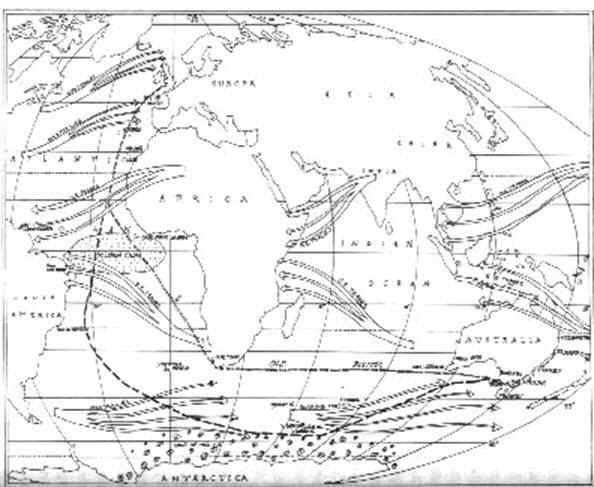
When the gold rush started in Australia in 1851 hundreds of people were clamouring to get to Australia as fast as possible. So instead of following roughly the forty degree line of latitude across the Indian Ocean from the Cape of Good Hope to Melbourne, as ships had done since the time of the early Dutch explorers, the new and more dangerous route known as the “composite great circle”, calculated by John Thomas Towson was adopted As the shortest distance between any two points on the globe lies along the shortest arc of the great circle joining them. But the true great circle route linking Europe to Australia crosses part of the Antarctic continent, consequently a compromise had to be reached: masters were all directed to sail as close to the great circle as ice and the state of the ship allowed, as this reduced the average length of a voyage from Liverpool from 120 days to 75-80. One ship did it in 67 days and another in 68 days.
In terms of life on board ship, the new route meant that emigrants experienced a range of climatic conditions few of them could have imagined. At first they were fortunate: for while the were finding their sea legs they moved south from England into balmy weather. Flying fish and bonito were seen and, by night, the enchantment of phosphorescent seas. In these ‘horse latitudes’ the ship usually idled along pleasantly, but soon the sails filled and the north-east trade winds bowled them towards Brazil. As they neared the equator the winds inevitably fell off, for they were entering ‘the doldrums’. The area was inescapable and has been described as ‘one of the most oppressive and disagreeable places at sea’. Some ships could be stuck there for weeks waiting for favourable winds. After passing Cape Town, master now sailed 800 miles south and 800 miles south of Leeuwin; they were in latitudes of 50° south, even 55°, in seas and winds that swept unimpeded around the world. At best they might sight a few remote islands, at worst nothing but drifting icebergs until they were obliged to thread the needle’s eye between Otway and the unmarked Cape Wickham . I have read diaries that describe scenes of passengers battened down in the steerage cabins, women and children screaming and crying and praying in fear of their lives during this part of the voyage.
To give an idea of the ordeal I will include a diary of Elizabeth Allbon who travelled with her husband Alf. and children, Arthur 10; Elizabeth 9, Ernest 5, and Edith 2, on the SAMUEL PLIMSOLL which left Plymouth on March 21 1879. I have chosen this diary because they are travelling at the same time of the year. Many of the passengers on this ship suffered from fever and they all had to be quarantined on arrival in Sydney . They had a dreadful voyage, but still made it in 87 days.
The Voyage
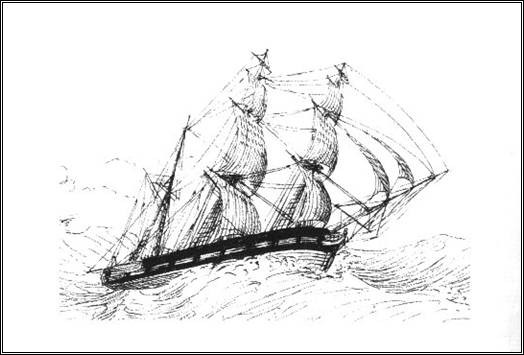
March 21 Weighed anchor at 4.30am; set sail at 6.0am began to feel sea sick with first motion of ship, we all went up on the deck, the wind bitterly cold stayed 3-4 hours, till Alf felt better.
March 22 Boys all right today, Alf and I are sick; Dr. gave some brandy Alf immediately sick, felt much better after. Eddie not sick at all.
March 23 Most miserable day ever spent, Alf and I stay in bunk all day. Dreadful squalls at night everything that was loose went flying all over the deck. Wishing we had not come, our bunks are all fitted up between decks, not private at all side by side just a curtain hung in front.
March 25 Very warm 60 degrees downstairs. Two ships seen. They are particular about keeping the ship clean; each man has to clean under his own bunk and take it in turns 5 men out of every 100 to scrape the deck then sand is thrown over and then scrubbed with a bath brick then well swept and disinfecting fluid thrown down; this has to be done every morning, continuing hot 70 degrees downstairs.
March 29 Lovely day going very fast, another two ships seen some distance off.
March 29 Upon deck all day only going down for meals; have plenty to eat and a great variety and plenty of water. Have all to muster at 10 tomorrow for inspection, have all to be in bed by 10 and up no later than 7, have lamps hung at night which last till 10.
March 30 Sunday Muster at ten for inspection lots got turned back would not pass them not clean enough. Had a prayer meeting this evening and some nice singing.
March 31 All well, beginning to get used to rocking, weather much warmer, had our boxes up today to get clothes for hot weather, shall have them out again in time for cold weather. Heat very great, over took and passed a vessel, which started a week before us, it was a Dutch trader called EQUATOR.
April 1 Had some April fool’s day fun, still very hot 80 degrees downstairs. Saw shoals of flying fish and lots of jellyfish. One of the sailors caught a flying fish and had a bit of fun putting it up for auction, he got sixpence for it. People beginning to enjoy themselves. One of the sailors has a violin and they have singing and dancing every night after sunset. There is no twilight here as soon as the sun sets it is dark but there is a beautiful moon now and it is a grand sight to see it shining on the waves. After we put the children to bed, we come on deck and see what is going on, some of the sailors are educated men and give splendid recitations and some historical, which are worth hearing.
We have lots of sheep and pigs on board for the cabin, one of the pigs died and was thrown over board, also a plentiful supply of rats and they are not particular where they run. The doctor has a dog, the only one on board, and there are two cats in the cabin. Alf was on duty for three hours last night, they divide the night into three watches and take it in turns to report to the watch on deck if all is well.
April 2 There is a school on board but I don’t think much of it.
April 3 The heat is intense you stand upon your own shadow, expect to cross the line tomorrow. Saw a ship going home to England , spoke with flags.
April 4 Been pouring with rain all night, stifling hot this morning 85 degrees downstairs, dead calm all afternoon and evening. Saw some dolphins; had a very great fright last night some one overboard, it was done as a joke.
April 5 Lovely morning passed two ships at sight, spoke with flags. Half an hour afterwards without a minuets warning there was a fearful hurricane of wind and rain. Before any canvas could be taken in the main mast snapped in half, another mizzenmast the top broken off, the canvas torn to ribbons and swept over into the sea, which was lucky for us. The vessel dipped twice before they could cut the ropes to let them loose. The jibboom and the bowsprit were snapped right off, we were all shut down, it upset me very much when I saw them all come tumbling downstairs one over the other, all of them screaming that the decks were swept clean. It was all over, the sea quite calm and the sun shining in less than half an hour. Every one worked like slaves, the captain, mates and sailors, they were all drenched and their clothes torn right off them. The third mate had his trousers torn right off. I went up on deck in afternoon, the scene was heartrending looked a perfect wreck, looked very threatening all evening have very heavy showers come on without warning.
April 6 Before we were up vessel came up to offer assistance, it was FALKLAND LLYODS, before dinner we had two more come up to us, we didn’t require assistance, all sorts of trade people on board able to do repairs. Crossed the line going very slowly 4 miles an hour, had two sails up wind set against us drifted back 80 miles, ship rocked very much having nothing to balance it.
April 7 Lovely morning very hot 86 degrees downstairs, crossed the line again, makes three times having drifted back. A man put in irons for refusing to do what doctor ordered, taken before captain, had rules read to him, submitted and had the hand cuffs taken off in the evening. Can scarcely move on deck for broken spars and ropes. We are in tropic of Capricorn
April 8 Arthur much worse ordered into hospital
April 10 Very rough night, very sick this morning Arthur no better, we are all in hospital with him. Like it better than downstairs so quiet, getting on slowly with repairs. Splendid wind this morning if we only had the canvas up, intensely hot, no rest night or day 90 degrees in shade.
April 11 Still going very slowly kept in hot climate so long on account of accident. Arthur still very ill, one poor boy not expected to live, gone off same as Arthur.
April 12 I have to leave the hospital, another boy in with same complaint. Alf and other lad’s father to stay in and nurse them.
April 13 Arthur much worse, Eddie ill slight attack of Bronchitis and inflammation. Heat very great wind cooler at night, days getting very short.
April 14 Arthur much worse, several babies ill, one not expected to live. Doctor has put up notice’ nurse wanted for hospital none but experienced ones to apply.
April 15 Arthur a little better this morning. Eddie has strong inflammation of chest, requires mustard poultice.
April 16 Baby died this morning and was buried. Almost a calm going very slow.
April 17 A poor lad died this morning. Arthur a little better, Eddie very poorly.
April 18 Hotter than ever this morning, such long nights and short days. Arthur very bad again.
April 19 Going along a little faster. Arthur and Eddie a little better. Arthur’s 11th. Birthday, very hot indeed.
April 20 Sunday Beautiful morning Arthur and Eddie much better, saw another vessel, wind getting up.
April 21 Very windy, every one busy repairing accident.
April 22 Arthur much worse again, Eddie getting better, another baby died Preparing for a storm every thing being secured to prevent rolling about. Very rough indeed.
April 23 Weather much cooler 78 degrees downstairs.
April 24 Beautiful morning, sea very rough running mountains high it’s a grand sight, getting much cooler. Had our boxes up today. Getting near the cape, very rough weather, makes many sick again.
April 26 Getting near Tritan Islands , saw some whales and another vessel, wind gone down very much, gone some distance out of course.
April 27 Poor man died this morning, leaves a widow and ten children, 4 others not expected to live.
April 28 Very cold and stormy, still going out of course can’t catch right wind. Arthur a little better.
April 29 Wretched weather, wet and windy blowing against us, lamps lighted at 4.30. gone 150 miles off course
April 30 Very wet and foggy.
May 1 Going back to our course, doing 6 knots an hour, a girl died of heart disease today.
May 2 Very cold and dismal, 6 weeks since we left Plymouth , not passed the Cape yet.
May 3 Becalmed this morning, not moving at all, saw four ships.
May 4 Wretched weather, wet and foggy, great number ill of fever, doctor also taken ill.
May 5 Got very good wind, going much faster, Dr. a little better.
May 6 Very rough weather again, Dr. OK
May 7 Been going very fast all night, quite calm this morning, very foggy all day, been blowing foghorn all night, to warn off several other vessels near.
May 8 Arthur getting stronger every day. Boatswain and cook taken fever put into hospital. Young couple with one child all three in hospital with fever, two hospitals both full. Father and brother of first lad that died, both very ill, no hope for the father.
May 9 Very rough and stormy, can’t go up on deck, such heavy fog like rain pouring down, going very slowly, towards evening storm came on fearful ship rolling about awful things flying all over the place.
May 10 Storm continued all day and all night, no one could stand up, only men allowed on deck. In the afternoon they were all ordered downstairs, we all laid in bed and had to hold on tight, nearly everyone sick again.
May 11 Storm abated a good deal lightening ceased, sea very rough, ship rolls about dreadfully. Alf fell and hurt his wrist and shoulder very badly. Child died this morning.
May 12 Much calmer this morning, but a dense fog, can’t get out all day, going about a mile an hour.
May 13 Very dull morning, nine points off course. Keep tacking about to catch favourable wind, often have head winds all against us. About 9.30pm another fearful storm of wind rain and lightening came on, some of the sails were torn to pieces before they could be taken in; awful confusion downstairs screaming and crying of women and children, even the men were trembling. Our children slept through it I’m thankful to say.
May 14 Lovely morning no trace of last nights storm.
May 15 Beautiful morning, going along about 10 knots an hour. Getting ready to have a concert tonight, prizes for the best lady singer the skin of an albatross that was caught near the Cape ; and for the best man a small writing desk.
May 16 Going along very fast.
May 18 Last two days the same, very rough all through the night. Another child died, hospital full of sick.
May 19 Very fine morning, still feeling very ill as have been for last week, could not go up on deck. Doctor having a bunk built for me downstairs shut in with curtains, like a small room, the hospital full of fever cases.
May 20 Beautiful morning but very cold going along very fast.
May 21 Doctor has ordered me to have a glass of port wine every day.
May 22 Fair wind still going along very fast, feel better today.
May 23 Wind dropped today about 4pm going about 4 knots. In the midst of out concert sea being very rough they were all tipped off the forms sent flying all to leeside directly after one of the tables gave way let about a dozen people down on the floor, caused a great deal of fun.
May 24 A woman unexpectedly confined this morning, had to be put in the bed that was put up for me, got a son, a fine little fellow. Very wet miserable morning, scarcely any wind.
May 25 Fine morning, squall about dinner time, very violent wind, so rough that for hours the ship run on her side half the deck under water, continued all night, the tossing about we got was dreadful, nearly thrown out of bed, had to hold on tight. Things kept flying all over the place.
May 27 Fine morning sea still very rough, another unexpected birth this afternoon, a son, it appears the doctor only expected me to be confined, so they must have concealed it well.
May 28 Very bright morning sea still very rough, feel very ill, not able to get up till dinner-time.
May 29 Very stormy all night, the worst night we have had, nearly washed out of our beds. Man in next bunk died of a heart attack, left a widow and two children.
May 30 Sea very rough not so strong, going along very fast, feel very poorly.
May 31 Nice morning very calm, a younger man died this morning.
June 1 Fine morning very calm and quite able to walk about.
June 2 I had my baby this morning, a daughter-exactly like Edie.
June 3 Going along very fast and steady. One of the other new babies died this morning.
June 4 Weather still fine, have to keep tacking about to catch good winds. Another married woman has the fever.
June 5 One of my nurses taken ill, they are getting some things ready for landing so expect we must be getting close to Sydney. They are cleaning up and another baby died today.
June 6 Going along nicely feel much better still tacking about to catch fair wind. Baby died this morning. Told we shall have to go into a place called quarantine about 5 miles from Sydney on account of so much sickness on board.
June 7 Another birth this morning, an Irish woman confined with a girl, makes four births. Sighted land today, King Island , at night could see light house quite plain getting anchor chain ready.
June 8 Young woman went to hospital last Wednesday died this morning, leaves a baby 6 months old. Passed through the straits this morning, could see land quite plain on both sides/
June 9 Can see land much plainer and trees they look beautiful, going along very fast.
June 10 Alf still very poorly, going along very fast, the land looks beautiful.
June 11 Alf much worse, beautiful weather taken in all sails in readiness, signal for pilot, came on board about noon, steamer came and tugged us into quarantine grounds dropped anchor at 1.30am.
June 13 Beautiful morning our doctor has been in small boat to meet Sydney doctor, and he has ordered us all into quarantine, all our bags, beds and mess tins to be taken with us. Went ashore in small boats, got there just as it was getting dark all our things were thrown together in a heap and had to be sorted out on the wet sand and then we had to walk a mile and a half up a steep rocky hill and carry all bags and beds yourself. Alf scarcely able to put one foot before the other, me been confined just 12 days, the baby and Edie to be carried so you may guess what sort of a pickle we were in. If it had not been for two good Samaritans I don’t know how we should have got on.
There were 14 deaths and four births during the voyage.
Editors Note; The ‘Utopia’ must have spent more time in ‘the doldrums’ tacking around to catch the wind, for at least another week or more.
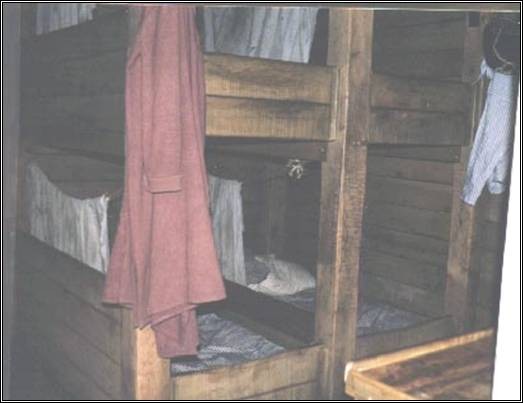
After arriving in Melbourne on the 25th. June 1861, John and Mary spent a month there, possibly with a brother of Mary’s because they boarded the interstate colonial ship ‘Balcluthia’ on the 20th. July 1861 for Adelaide ; also on board was 23 year old Mr Hosking. Mary was by now pregnant, it is assumed they then went straight to the copper mines at Burra-Burra.
Burra nestled in Bald Hills Range 154 km north of Adelaide , Burra is a former copper mining centre. The district of Burra Burra (the name is Hindustani for Great Great) is now famous for stud sheep and Burra serves as the market town for the surrounding farmland. Copper was discovered in 1845 and almost $10 million-worth of copper was extracted before the mine closed in 1877. Along the creek some of the dugouts remain where more than 2000 people lived during the boom period. (source: Explore Australia ; BP)
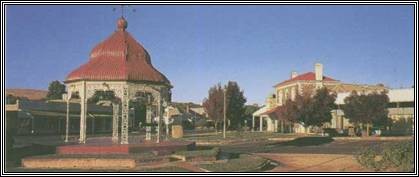
Burra- Burra Adelaide , South Australia
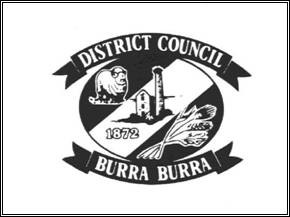
The District Council of Burra Burra (a rural area surrounding the town) was proclaimed in 1872 and the Corporation of the Town of Burra in 1876, one year before the mine closed. In 1969, the district and town councils amalgamated and this insignia was adopted.
The insignia reflects the evolution of the district from its early mining years, as represented by the Cornish enginehouse and chimney, to its present day pastoral and agricultural importance.
In particular the district around Burra, especially to the north, has become the home of many of Australia ’s greatest merino sheep studs. The district now claims the title of Merino Capital of the World with justified pride.
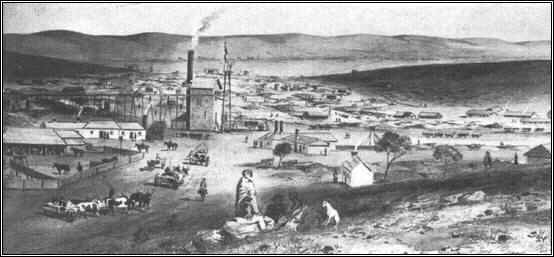
At the time John and Mary arrived in Burra, the mining of copper had been established for about 10 years; I will quote from ‘Discovering Historic Burra’ by G. J. Drew “It was the first surveyed mining town in Australia and by 1851, was Australia ’s largest inland town. It’s ‘Monster Mine’ was the largest metal mine in Australia up to 1860. The influence of Burra on the economy of South Australia and on mining in Australia gives the town and mine considerable historic importance to all Australian.
Outcrops of brightly coloured copper were found by two shepherds at two localities in remote country near Burra creek in 1845. The monster mine which measured 8 miles by 4 miles was divided into two, each half containing one of the known discoveries. The southern half being owned by the Princess Royal Mining Company, the northern half by the South Australia Mining Association, a group of Adelaide shopkeepers and Merchants, they named their mine Burra-Burra. This rapidly developed into one of the great copper mines of the world, by 1850 producing 5 percent of the world’s copper up until 1860.
Burra began its life in 1846 as the mining township of Kooring , at that time the mining company provided cottages only for its more skilled miners, mechanics, and mine official, most ordinary miners found their own accommodation or lived rent free in dug-outs in, not on, the bank of the creek. These inhabitants were often called ‘The Creek Dwellers’. Bert Polglase records that his grandparents lived in one of these dug-outs for a short time when they first arrived;
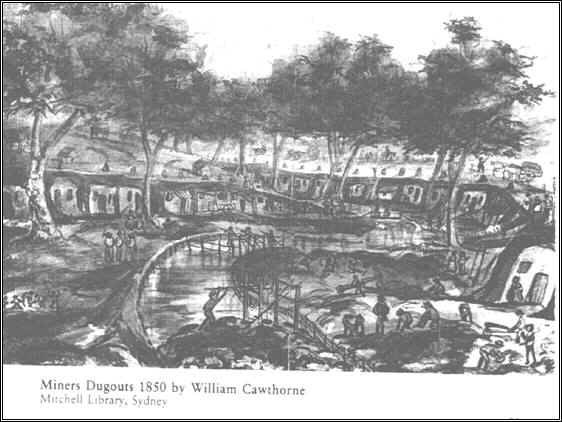
By 1851 it had become a collection of English towns known as ‘The Burra’, with a population of 5000. It was Australia ’s seventh largest inland centre prior to the discovery of gold in eastern Australia .
In 1846 G.S. Kingston, laid out the company’s township of Kooringa, Aboriginal for ‘locality of Sheoaks’, of 40 acres in half acre blocks, situated near the mine and cottages were constructed for miners and their families. The early rapid development of the Burra mine led to a shortage of housing for miners and their families, which resulted in many living in dug-outs along the creek.
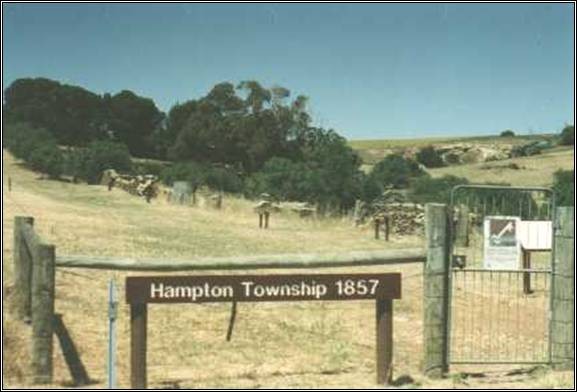
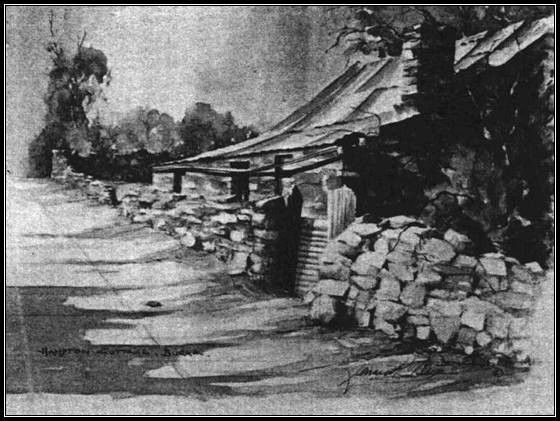
Other towns built in the vicinity were: Hampton , laid out in the style of an English village by Thomas Powel in 1857, named after Edward Hampton, assayer at the smelting works. It was abandoned by 1960, but many ruins still remain .
In 1840, Redruth, named after the renowned Cornish mining town, comprised 120 allotments; In 1846 Aberdeen was established, so named after a Scottish group of speculators for their home town; In 1849 Llwchwr was established, Celtic speaking Welsh smeltermen were brought to Burra by the Patent Copper company, and set up the largest smelting works outside Swansea in Wales, until the Wallaroo Smelting works were erected in 1861.”
In 1876 the three main townships of Kooringa, Redruth and Aberdeen , were formed into the Corporation of the town of Burra , but retained their separate identity until 1940, when the name Burra was officially adopted.
The following extracts are from the South Australian Library under the heading of THE CREEK DWELLERS
“One result of the new and exciting mineral discoveries in South Australia was the procession of visitors to the mines ‘in the wilderness’. Governors, editors, reporters, geologist, artists and itinerant preachers, as well as the curious and the adventurous made their way to Kupunda and on to the Monster Mine. The London Mining Journal after 1847 had it’s own correspondent in South Australia .
Whether their visit to the Burra Burra Mine was official or unofficial there was one feature of life in the township of Kooring which inevitably caught the attention of visitors and found it’s way into their reports. This was the extraordinary sight of a swarming population of miners and their families living in, not on the banks of the Burra creek A visitor in late 1847 reported that the huts extended for about three miles on both sides of the creek and contained a population of 400-500 persons.
Writer and Artist William A. Cawthorne, on holidays from an insurance office in Adelaide, made the journey by barge from Port Adelaide to Port Wakefield, then by mail cart along the recently opened, Great western Road, a dusty track from the port to the mine, in 1851 and recorded in his journal; "December 28;.After taking a sketch of the town, mine and smelting works, we descended to the creek, and entered one of the holes; it was very clean and neat, in one part even an attempt at finery, very cool, but very close, as I was informed at night, there being no ventilation.
They are whitewashed inside and sometimes outside, the most of them having paling verandas, lean-tos etc. The chimneys are merely holes opening from the footpath above, with a tub on a few clods put around. As you pass by you can always know what is being cooked and many anecdotes are told of fish, flesh and foul disappearing up the chimney, being hooked up by some practical joker.
The great secret of their selecting such a place is its being rent free. Sickness was prevailing very much and no wonder, as all the refuse is cast before the door, pigs and children very numerous.”
The census of 1851 revealed a total population of 1,800 living in the dugouts in the creek bank, out of a total population of 4,403 in the Burra.
As one might expect a great majority of the adult male occupants of the huts were miners, however other occupations of the creek dwellers, revealed in the census were, carpenters, masons, shoemakers, saddlers, sawyers, mechanics, builders, clerks, and even a doctor. One dugout, it was reported, was used as a boarding house, it contained five rooms, four occupied as bedrooms.
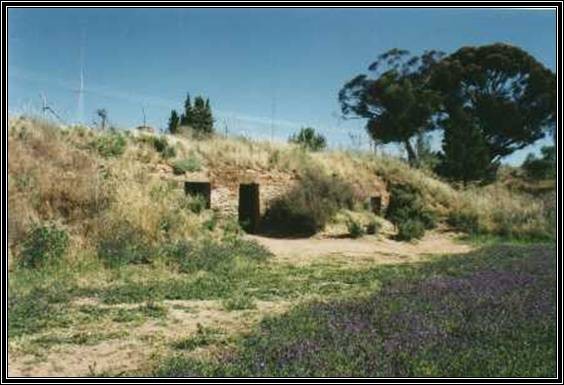
William Copley went to south Australia in 1845 with his parents when he was 4years old, he has published some lively reminiscences of his boyhood at the Burra, in 1889 under the pseudonym ‘An Ex-M.P.’ "The Burra creek when I first knew it was a chain of deep water holes and magnificent gum trees. On or rather in, both banks, for a mile in length, it was as densely populated as a rabbit burrow. The first thing a new-chum miner did, no house being available, was to excavate in the banks of the creek a dwelling of one or more rooms according to the size of their family. These underground abodes were cosy in winter and cool in summer, most of them very nicely furnished and kept scrupulously clean and sweet by frequent whitewashing. Light was admitted by a window on each side of the door. Of course there could only be one entrance, the ‘house’ having neither back nor sides. A hole from the fireplace to the surface carried off the smoke, but as the road from the town to the mine passed over these dwellings, it was usual to place over these holes a cask with the ends knocked out, so to prevent nocturnal travellers from falling into the kitchen below. Practical jokers, however, would sometimes remove these protections, and then the family at supper would probably be startled by the hurried and undignified entrance of a guest, whose language would be more scriptural than religious.
Sam W. used to declare he owed the possession of the best little wife in the world to one of these primitive chimneys.
Jenny Tremaine loved her but her parents and Sammy were not on good terms; so the lover could enjoy his sweetheart’s society on Sunday evening only when Jenny’s headache prevented her from accompanying her parents to chapel. Time flies quickly, especially for young lovers. One evening they were surprised to hear the old folks voices as they descended the bank and approached the door. How was Sammy to make his exit without running into them ? there was only one way—up the chimney. It was a warm night and the old man thought he would have a cup of ‘tay’ before going to bed, so he asked Jenny to light the fire. The poor girl, happy at her lovers escape, complied with the request. Never before was the chimney know to smoke. ‘See ef ‘tes choked, Jenny,’ said her father. Jenny peered up and was horrified, the chimney narrowed towards the top and Sammy was stuck, but ‘Jove laughs at lover perjuries’, ‘I can’t see nothin’, said the demure damsel, as soon as she had found her tongue. Sammy was in danger of being roasted so he made another desperate effort to reach the top, but it resulted in him falling to the bottom, capsizing the kettle, scattering the fire and frightening Jenny’s parents out of their wits. The old man seized the axe which happened to be handy and brandished it over the intruder. ‘ Oh ‘tes thee, es it’? and ‘cause I’ve told thee scores o’ times never to darken my door, thee’s come through the chimney to see Jenny, eh ? git up and git out, else I’ll break every bone in th’ body/’ Sammy protested he couldn’t get up –that his leg was broken, and that he’d have old Tremaine up before the magistrate in the morning for not keeping a cask on his chimney. ‘A peaceable man,’ said Sammy, between his groans, can’t walk home from chapel ‘th’out faaling down a gashly old chimney and breaking his legs, ‘tes a sham. So ‘tes.’ His pitiful moans touched the heart of Jenny’s sympathetic mother. By the united effort of father, mother and daughter Sammy was at last hoisted up and seated at the table, the old lady protesting that ‘tay’ and saffron cake were the finest remedy in for broken legs, and so it proved to be. Soon after this the lovers were allowed to resolve themselves into a select committee of two with power to add to their number.
More Reminiscences:
James Thomas lived in the dug-outs in 1847, his most vivid memories were of the hardship endured by the women and the floods which eventually washed the families out of their cave homes. He wrote "Now just imagine the life lived by the women with children immured in these holes, with light penetrating through the open doorway and the ventilation confined to the same source. (some did have two ‘windows’ in the form of small holes each side of the door). These were not the only inconveniences….The fuel, water and all requirements had to be brought down rough hewn steps from the top of the bank. The Butcher, Baker, Grocer, all had to shout down the chimney, then the woman would climb to the top to be served and carry her purchases down. Then to find room for the wood-heap, the clothes line the water barrel and other outside matters would tax their ingenuity, as outside the doorway was a drop to the bottom of the creek. Their only view from their door was the creek bed and the barren hills.
The one bright spot in their outlook was Sunday when they with their husbands would go to church or visit their friends up and down the creek. They had little furniture to polish, all home made out of cases and their light was either a ‘slush lamp or a tallow candle. To stand in the front rank of creek society they must burn candles.
The creek was generally fairly dry but did have the habit of flooding suddenly. In the late 1840s and early 1850s it flooded on three separate occasions; in May 1848 heavy rainfall led to rise of 8 feet of water in the creek, some huts were flooded. At this time the Association were building some 64 cottages to encourage the ‘creek dwellers’ to quit their huts; however many of them preferred to live rent free in their dug-outs than pay rent for a cottage. In February 1850 a summer flash-flood destroyed more than 80 huts---the furniture floating about in all directions. Undeterred by the floods in 1851 there were 1,800 men women and children in residence. Three floods occurred in 1851, one in May and two in June. The last of these floods caused the earthen embankment causeway across the creek, carrying a road from the mine to the smelting works, under pressure from the flood water banking up behind it gave way gave way. Immediately on observing the earthen bridge give way, some men keeping watch had run along both sides of the creek crying out in the greatest alarm—“the bridge is gone, turn out, turn out.” The signal of danger thus given passed down the creek with the rapidity of electricity and in an instant all was bustle and confusion. The distressing cries of women and children were heard a long distance. One poor man by the name of Box , a lander at Paxton’s shaft was killed by the falling in of his hut. He was a widow and left three small children orphans; they appear to have been cared for by the community. The mine Captain Roche undertook personally to defray the funeral expenses of the deceased---an act typical of the quiet generosity of the bachelor Captain. Mr Box’s saving were later retrieved from his collapsed hut and handed in to the local police station. The wooden chest contained ₤400. I believe he was the only creek dweller ever to die due to the flooding of the creek. The company then ordered the creek dwellers to find alternative accommodation. However it is recorded that the dug-outs were still in use until 1866.
The miners were employed either at tut work, ton work or tribute. Tut work consists of sinking the shafts and excavating the levels, for which the Burra Company paid them, on average, thirty shillings ($3) a week each. Ton work is piece-work, usually performed by the miners at eighteen shillings per ton. They can pick out two tons of copper ore a week, for which they obtain thirty-six shillings a week. The copper ore thus picked out may be worth ₤30 a ton but the Burra company have to pay the expense of raising and dressing the ore.
Tribute is work performed by the miners in partnership with Burra Company. If the ore is very rich, say seventy per cent, they receive out of the value two shillings in every pound sterling. If the ore is of the ordinary yield, say thirty-five or forty per cent, they receive they receive out of the value four or five shilling in every pound sterling.
One thousand men were employed at the mine, and they were bound to contribute sixpence a week each for the salaries of two surgeons resident at the mine, and for the sick club. By this means ₤500 a year was raised for medical salaries and ₤500 for the purpose of the sick club."
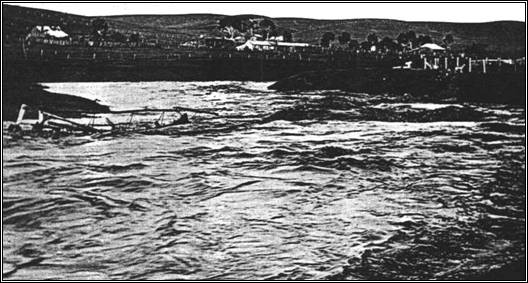
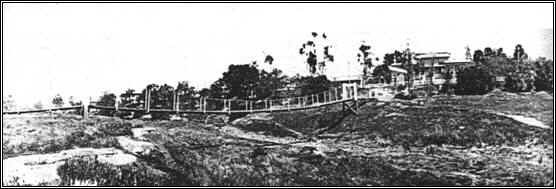
The Creek in flood Swing bridge over Burra Creek with Institute in the background. This bridge, was erected in 1889, rebuilt in 1911 and finally demolished in 1911.
As said earlier, John and Mary were living in one of the cottages in Hampton Village when their first child, John Henry Polglase 2nd.; also known as Harry, was born on the 8-2-1862.
Life in Victoria
By 1864 John and Mary with young John Henry (known as Harry) had moved to the gold mining town of Bendigo, so named indirectly after British pugilist Abednego William Thompson who was famous at the time the settlement was christened in 1851. The Gold Commissioner renamed it Sandhhurst in 1853 because his father had been Governor of Sandhurst Military College in England . It was officially named Bendigo in 1891. Bendigo is 152 kilometres north west of Melbourne .
1864 was an eventful year for John and Mary their second child Thomasina Mary was born on the 28th. February and died the same day at Sandhurst .
On the 7th. April, John’s younger brother Thomas Polglase arrived aboard the ship ‘Ocean Chief’ having left Plymouth 2nd. January, the ships passenger list recorded Thomas to have been of ‘good behaviour’ !! It must have been an exciting time for all of to catch up on the news in Cornwall and Australia .
In 1865 another daughter, Thomasina Mary was born at Castlemaine., 119 kilometres from Melbourne ; along with Kyneton and Maldon, Castlemaine epitomises the gold-mining towns of north-western Victoria .
By 1866 the family are back in Sandhurst , on Monday 24th. September 1866, tragedy again struck John and Mary. John was at work at the Dafoley Company in Long gully at Sandhurst and Thomas at the Albania Company Claim on the Redaw Reef . About 6 weeks earlier Thomas, together with Richard Chappel, Richard Stevens and Henry Martin had taken out a contract to sink a shaft on the aforesaid claim to a depth of 200 feet, and also to timer it with timberings to be provided by the company .Everything had been going fine until about 4pm that Monday afternoon. The shaft had been sunk and timbered 40 feet from the surface, at that depth they commenced and sank for 60 feet more, having done this, they timbered the shaft from the bottom upwards until they met the previous timberings, they had nearly completed their work The shaft was 11 feet long from east to west and 5 feet 6 inches wide from north to south where it is not timbered, but where the accident happened it is timbered, there the shaft would measure 9 feet in length and 3 feet wide. Thomas was working with Henry Martin finishing the slabbing, they were in the usual way standing upon loose closely fitting slabs laid upon a string frame which rested upon the sets. Henry was putting in a slab on the western side with his back to Thomas who was slabbing up the eastern end. Henry first heard the noise of a slab and then a scream as Thomas fell down the shaft. Thomas suffered a fracture skull and died two days later in Hospital.
Immediately after the accident one of Thomas’s mates went and told John, who first went home and learned Tom was in hospital so went there. (source: taken from evidence given at the inquest held at the Sandhurst Hospital on the 27th. April 1866.)
As the next of kin John was granted administration of Tom’s property valued at ₤60
By 1867 John and Mary with their two small children had travelled down to Emerald Hill (Sth. Melbourne) where Isabella was born. There used to be a mines warehouse/storeage place in South Melbourne where John may have worked for a time, 16th. September 1869 and the family are now at Nillumbik, Evelyn in the district of Diamond (Diamond Creek), where Roseziania was born. An interesting point here; Rose’s birth certificate states both her parents birth places as Penzance in Cornwall —perhaps they got tired of explaining where Breage was –not to far from Penzance !! There was a gold mine in Nillumbik.
27th. December 1871, the family are now at Northumberland Street Collingwood, district of Diamond Creek, county of Bourke , where Samuel is born, this time the certificate simply says his parents were born in Cornwall , England . THE MINING RECORD of Jan. 1863 gives a report on the Collingwood Gold Mining Company.
1873 and the family are heading north to the gold fields, Sarah Anne is born at Ballan, on the Werribee River, thirty eight kilometres east of Ballarat. 21st. August 1875 they are at Amherst , for the birth of Lavinia
1877 Percydale welcomes Selina. Percydale is a short distance north of Avoca, in the Central Highlands region. Avoca is at the junction of the Sunraysia and Pyrenees Highways and is surrounded by the Pyrenees Range foothills , where gold was discovered in 1852;
1879, Thomas is welcomed at Gordon, just south of Maldon, which is thirty two kilometres south west of Bendigo in an old gold mining area of historic significance.
1881, back to Ballan where William made his entrance into the world..
1883 Creswick is the birth place of Edith, and the family finally stay put;
1887 Emma the last baby is also born at Cresswick
The Creswick rate book records John living in rented property in North Parade Cresswick from 1883 to 1885; he continued to rent from different owner until 1890. Today one can hardly imagine what hardship the family had travelling, possibly using the two horses with jinker and cart in the picture below; over bullock tracks, always with a new baby or one on the way, carrying what ever belongings they had, and camping overnight in country renown for bandits.
Mary has given birth to 13 children over a period of 25 years being 43 when her last child was born. She must have been a wonderful mother and nurse to have reared 12 out of 13 children under such difficult conditions when the mortality rate was generally very high. Mary died on the 23rd October 1896 age 52; Her death certificate records; she had been in a coma for 48 hours, was Jaundice and had suffered from Gall stones for 5 years; she is buried in the Creswick Cemetery. A family story says Mary tripped over on the railway line while on her way home from shopping, hitting her head on the line. This may have been the cause of the ‘coma for 48 hours.’
“The Railway from Melbourne and Ballarat was opened in 1874, on which a regular passenger and goods service was conducted from the start, being both faster and cheaper than the only other forms of land transport available, i.e., horse-drawn carts and wagons or bullock wagons” (source; Diary Of disaster); the railway extension Act of 1871 had provided for a line from Ballarat to Castlemaine via Maryborough, Clunes and Creswick.
The two youngest girls, Edith 13 and Emma 9 would have taken over the household chores for their father.
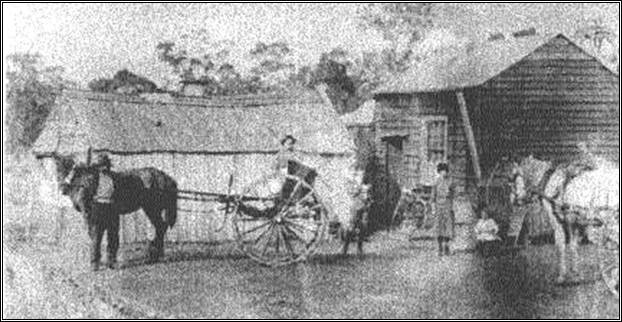
This picture is believed to have been taken about 1884/5 John is standing by the horse on the left, Sarah in the Jinker Sam standing behind (holding the cat), Mary standing on right, Edith sitting in chair in front of her,.
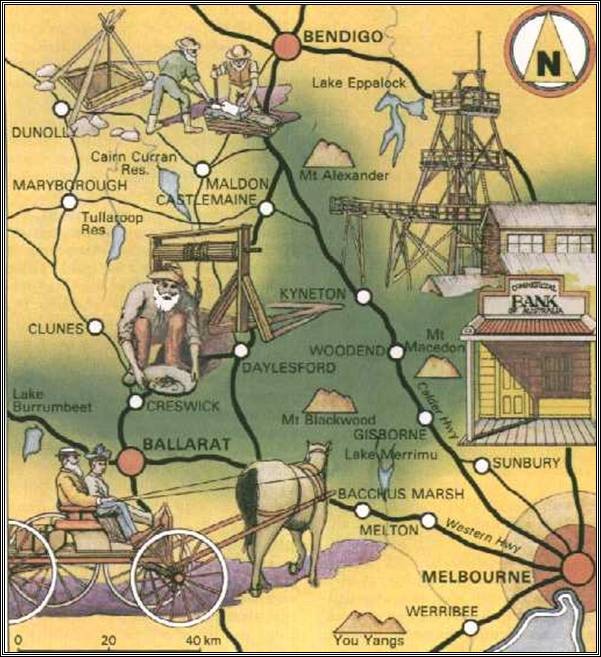
This picture gives an idea how far the family travelled, though not all births places are shown. And Mary would have been pregnant or nursing a new baby all the way !!
A year or two after Mary's death the family moved to Fryerstown. About 1906 John bought a 1/2 acre block on which was constructed a four roomed house, only partly furnished, for a cost of £25 in the township of Fryerstown.
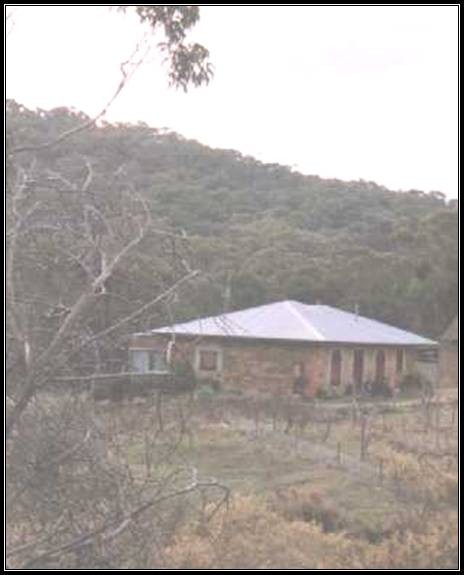
In that year the cottage was owned by an Italian family, who had started to a build a new house in keeping with the cottage; sadly the husband died before it was finished and it was left unfinished. I was told by a neighbour that the family only came up occasionally. there is a small grapevine in front of the house.
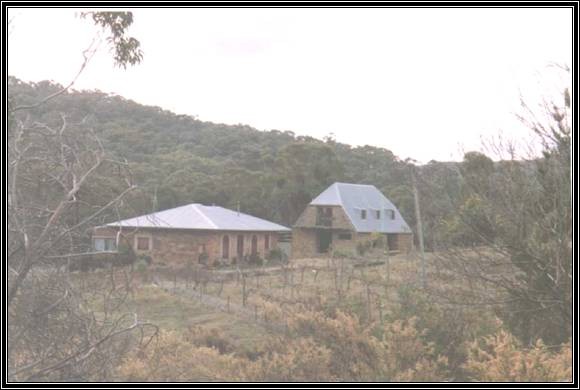
Fryerstown was named after Peter Fryer who was a squatter before the discovery of gold. He had a homestead on the bank of the creek which also took its name from him. The town was originally called Fryers Creek. The name was changed to Fryerstown when it became a township in 1854.
One of the early arrivals after the discovery of gold was George Brown, his grandson Edward Brown married John’s 16 year old daughter Edith Polglase in December 1899.
Edward and Edith’s son George Brown wrote a book ‘Reminiscences Of Fryerstown’, first published in 1983, and most of this early history is taken from that book.
“Fryerstown, like dozens of old mining towns throughout Victoria , could now be classed as a ghost town. Only a skeleton remains of former thriving town of a century ago when it could boast a population of several thousand. To add to its prestige, it had between 25 & 30 hotels, backed up by five Breweries where the mining fraternity could quench their thirst. An equal number of stores and general merchants were in operation in Golden Gully, Spring Gully, Nuggety Gully, Belle Vue, Churches Flat, New Years flat and Bald Hill.
Having withstood the ravages of 130 years, the population of Fryerstown has dwindled down from 1,500 in 1858 to a mere handful of 60-70 permanent residents today.
In the first two or three years of its history as a goldfield Fryers Creek was labelled a wild and lawless inhospitable place. Commissioner Heron confirmed this in his personal diary, when he wrote of fryers Creek as a wild place. Captain Baxter, the first gold Commissioner at Fryers Creek, in a report to headquarters dated Nov. 13th. 1852, said there were daily cases of robbery and shootings. “but I regret as yet I have been unable to secure the perpetrators; Grog selling is carried on to a great extent, chiefly I think by storekeepers.”
Other evidence of lawlessness comes from a journalist of the early fifties who said; “A month’s sojourn on fryers Creek has given me a deep insight into the morale of these diggings and opened up scenes I could not have anticipated in the rosy days of Ballarat. On Ballarat there was peace, but at fryers creek, quarrels dissentions, bloodshed and danger of the direst description reign supreme. The government is bewildered, and the evil doer runs his course, or at most receives a pistol shot.
A surgeon is called in to attend a wounded man, but no questions are asked. Men were held up and rifled in broad daylight, and I, standing there with three other men, saw a man seized, his arms pinioned, and his pockets emptied without us daring to assist, so numerous were the associates of the thieves robbing him.” This no doubt, would be Black Douglas and his band of ruffians.
Another gang of gold thieves operating in the Forest Creek and Fryers Creek areas was led by a one-eyed ruffian named Tom Wilson, an ex-convict. They were accredited with stealing several thousand ounces of gold over a period of three or four years.
There was plenty to steal; A scale of nuggets found at Fryerstown.
Locality where Weight in Value
Found Date lbs ozs (pounds)
New Years Flat Feb 1855 22.5 269 1009
Choken Flat Feb 1855 24.0 288 1116 Golden Gully April 1855 85.3 1023 4000 Nuggety Gully Nov. 1856 9.3 111 430
Nuggety Gully Nov. 1856 8.2 98 380
Golden Gully May 1860 50.0 600 2325
Nuggety gully Feb. 1865 15.1 190 739
“Mr Jim Tute who was a respected resident of Fryerstown for many years, and an uncle of the writer, (George Brown), told the story concerning his mother and father (George and Elizabeth Tute, nee Larkin) who went to the Bendigo gold fields in the 1850s. They were lucky in their search for gold and had accumulated a sizeable amount so they decided to travel to Melbourne to sell it. Travelling by horse and cart, they camped the first night out at Barkers Creek. Having been warned that the notorious bandit Black Douglas and his gang of 8-10 men, were active in the area, they had a problem as to where to hide their gold. After much consideration they decided to hide the gold in the horse’s feeder under his feed. This they did, and sure enough, they were held up, everything was ransacked but nothing of value found. All the time the horse was munching away at his feed with the hidden treasure under his nose. The hold up men left with nothing for their trouble”.
Fortunately by the time John and his family arrived Fryerstown was a much more peaceful town. The first 20 years of gold-digging at Fryerstown was alluvial, where gold is often picked off the ground or dug from grass roots level to about 7ft.-8ft. from 1870 to 1889 was deep lead mining and the 3rd, stage was hydraulic sluicing done mostly by Cornishmen. During the 1930s depression years many unemployed men tried puddling.
There are two main attractions in Fryerstown today. The first is ‘Heron’s Reef Historic Gold Diggings’ in natural bushland and managed by Les Simmons who conducts tours of the site. This truly is ‘A golden Time Capsule, classified By The National Trust’. The second attraction is the ruins of the ‘Duke Of Cornwall’ mine. This mine is noted for the huge amount of money spent on it by a number of different owners, all for comparatively little return. It is also virtually an exact replica of the mines in Cornwall . It is situated ‘a stones throw’ down the road from Heron’s Reef.
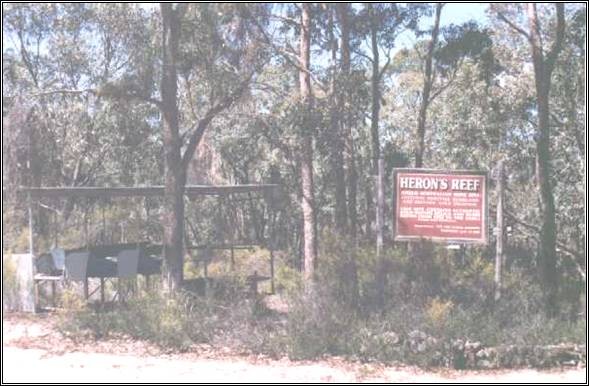
After its working life was over, some of the machinery was sold and taken away, and some was broken up for scrap metal.
Years after, the huge fly wheel still remained intact on its foundations. A Cornish miner was responsible for moving the great wheel by shooting it from its mountings with dynamite, and breaking it up for scrap metal—this I can vouch for as John Polglase the Cornish miner was my maternal grandfather!! (George Brown)
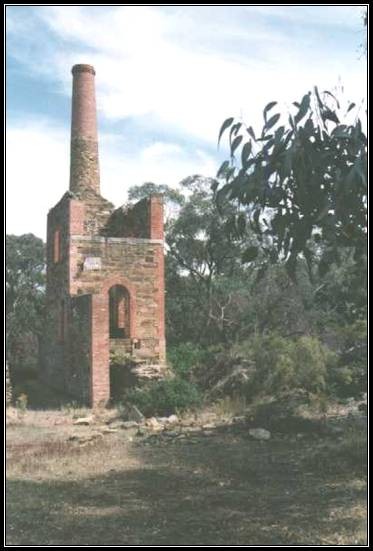
George Brown also writes; I can remember attending the sale of contents at the Bridge Inn with my grandfather Polglase when I was six or seven years old. He purchased two Rob Roy whisky jugs which remained in our family until a few years ago. I have been told John was a tea- totaller and never known to swear, but was a harsh disciplinarian with his children.
There were very few facilities for sport in the early years, and any form of organized sport was greeted by the miners with great enthusiasm. Wrestling was a very popular pastime, and with many nationalities represented on the gold fields, various styles of wrestling were practised. With a large percentage of the mining population being of Cornish origin, it was natural that Cornish wrestling was one of the forms used.
In this type of wrestling the contestants would be clad in a canvas jacket reaching down to their thighs, on one shoulder, was attached a grip, and on the opposite side at waist level was another grip which the opponent would fasten onto with his hands, or in Cornish terms “get a hitch”. They would then endeavour to throw each other off balance, if thrown to the ground, it was declared a throw; two throws out of three won the match. Skill rather than strength was considered the chief attribute in this type of wrestling. In an organised competition the winner usually received twenty or thirty pounds for his efforts. My Grandfather Polglase who was small in stature, approximately five feet six inches tall, was considered a fine exponent of this art and won several contest. I have been told that in the 1860s. he wrestled a man named Rogers on the present site of Victoria Park in Castlemaine for a wager of 10 pounds. He was successful with two out three throws.
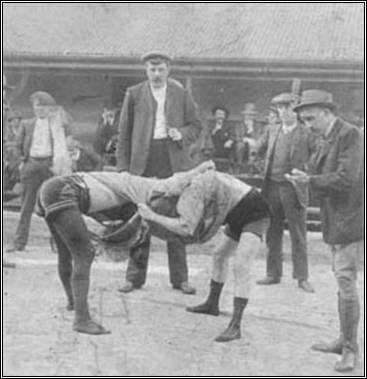
The traditional sport of Cornish wrestling was taken all over the world. James Polglase (left) 'trying a hitch' ---being very seriously judged
John died at Fryerstown on the 2nd. March 1916, he is buried in an unmarked grave in Fryerstown cemetery.
The history of the 12 surviving children of John and Mary Polglase, and their descendants is recorded here in order of eldest to youngest.
John Henry Polglase and his Descendants
For the first twenty years of his life Harry’s family did not stay in any one place for more than two years so he may well have had most of education at home from his mother Mary. Mary must have been very typical of our ‘Pioneering Woman’, mother, teacher, nurse and carer to 12 children. The family are recorded as living in Creswick in 1883, however Harry and possibly his father were working in the ‘The New Australasian Mine’ in Creswick on 12th. December 1882, when 22 miners were tragically drowned in Victoria ’s worst mining disaster. This disaster has been recorded in the book ‘DIARY OF DISASTER’, by Leonard Murton Williams. I will take some extracts from that book. ‘The New Australasian Mining Company had been formed on the 6th. October 1876. They first worked the No1 shaft, but the ground was very wet, and costly to work on that account, with much time being lost due to flooding, so the company decided to open up a second shaft about 2000 feet distance in a north-westerly direction from the No 1 shaft. George Douglas remaining as manager. The pumps were removed from the No1 to the No2 shaft on the 8-6-1878, but trouble with water was reported again.
From the Ballarat Courier of 13-12-1882 comes information that for several months after getting under the wash-dirt sudden bursts of water were numerous, and the mine was flooded once or twice, the horses working below being drowned on one occasion. After draining by means of bores being put up from the main drive, for a few years the mine had been worked without danger of flooding, and with successful results for the shareholders.
Mr Harry Pearce records that No 2 was bottomed on good gold on 11-12-1878, and the pumps were removed from No1 on the 8-6-1878. On the 16-12-1878 a report said that the ground in No2 “is very wet and difficult to work”, and by the 23rd. the mine “is into the full body of water running freely”. Work was stopped until the mine was drained. ……
A report by Douglas to his directors and apparently, shareholders, dated 27-9-1880 (quoted Pearce) stated-“In opening up the south end (of No2) from No3 rise, the ground is very troublesome, it being very loose, and a strong flow of water. At a distance of 240 feet from the old workings of No1 shaft, your directors decided not to prosecute the work any further in that direction, but to leave a solid block of land for the water to percolate through, the strong flow of water from this end indicating the necessity of further drainage before break in into the old workings. The ground has not been squared off, and we are now blocking back.
George Douglas died on the 29-4-1882, and Mr William Nicholas was appointed manager on 17-5-1882.
It appears that the directors and the new manager were not as cautious as Mr Douglas, because Mr Nicholas had been authorised by the directors to proceed further with the previously abandoned drive only a month after taking control, and, less than 7 months after he took over disaster struck----from the cross drive running south or south-west from the shaft towards the old No1 workings; remembering that the No1 workings had been closed because of the uncontrollable volume of water.”
Chapter five of that book records accounts of the disaster given by the survivors on the day of the disaster, Henry Polglase was one of them, his story is recorded below; ‘Henry Polglase, a trucker’.
“I was working on the night shift at the bottom level. I was trucking from the No. 5 rise to the shaft in the north drive. At about half-past five I went on a trip to the shaft, and I saw Harry Reeves, one of the men driving in the reef drive (where the water burst in) run out of the drive, and sing out, ‘Look out, the water’s run out.” Six of us-Taylor, Garton, Carmody (the platman), Reeves, Mason and I –all ran up the No. 5 shoot, except Carmody. We knocked on the air pipes, the signal that water had broken in, but, owing to the noise of the rush of water, our signals were considered useless.
Carmody then seized a truck (you can travel quicker with a truck underground going towards the faces), but the truck tipped up, and he did not stop to set it right, but ran with all his might up to the main level to warn the men, a distance of 700 feet. He ran to the No. 9 rise, and when he got back to the No. 5 the water was up to his neck (Courier Reporter—“it was a plucky thing to do) Polglase—It was indeed. I can’t tell you any more of Carmody. Gunther and Woods joined us at the No. 5 shoot. Gunther, Woods and myself went, as we believed, towards the shaft; we had no light, and did not know the workings here. We felt our way along by the timbers, and at last came to the plat, which we recognised by the timbers widening, and we felt for the sheets.
We groped round for the ladders; had a job to find them, but at last succeeded, and climbed by them to the surface—a distance of about 300 feet. I could hardly stand when we got to the top, I was so done. Garton and Taylor got up before us. They had lights so managed to get a start on us. Woods and Gunther were trucking on the next ‘run’ to mine A truckers ‘run’ is the distance he has to take trucks, and in a long drive there would be two or three runs. You might call a ‘run’ a trucker’s ‘beat’. There are three runs in our drive”.
In 1931 at the age of 71 Harry gave an account of the event to his son Bert, that account is recorded in Bert’s book, and I have copied it below:- ‘The incidents of which I am about to write are true facts and a true story of the biggest mining disaster that has ever been known in Victoria , and which occurred at Creswick in December 1882. The Australasian Mining Company owned three mines known as the Australasia No1, Australasia No2, and the Australasia No3. each being approximately one mile apart and running on the one lead. The No 2 mine in which the disaster occurred was the middle mine. The disaster was caused by a faulty survey in the fact that the survey of the bottom of the workings was to have run out 20 feet below the bottom of No 1 workings, and instead of this the cut out of the No 2 ran into No1 which had been worked out and was full of water, and thus the water from No 1 rushed into No 2 and flooded it. To use my father’s words:-‘
“ When I was a young man about twenty years of age, I was employed by the Australasia Mining Company as a trucker, it being my job to take out the full trucks and bring in the empties. On the morning of the disaster I was trucking the main drive on a thousand feet run to the plat; the ‘plat’ is a chamber at the foot of the shaft where the wash is sent up to be puddled, and where timber and tools are stored in readiness for the miners. The sift in which the disaster occurred was one that consisted of 41 men (of which I was one) and commenced work at 12 a.m. At 4 a.m. as customary we knocked off for ‘crib’ (tea break) for which we had half an hour. Some short time after we had commenced work again, I was coming down the plat with the usual three trucks loaded with gravel mixture which I was taking up for the wash, as I approached the plat I felt an unusual rush of wind and looking up the western drive I saw the two men who were working in that particular drive running down with their caps in their hands shouting ‘SWAMP SWAMP’ and as they came to the plat I could hear the water rushing down and brining with it the trucks which had made a loud noise. The water had broken through No 1 mine which had been worked out Realizing that we had no time to waste, and that it would be impossible to get to the cage, we made a rush up the main drive until we came to the horse drive. I would like to explain here that the horse drive was an incline drive which led from the bottom to the top workings.
By the time we reached the top of the horse drive, the water, which was rushing in at a great rate and bringing with it trucks and timber, was up to the main drive in which all the other men were working thus making an escape impossible, to make things worse the rush of water had blown out all the lights and all was in complete darkness, when the lights went out we lost our way, and after groping about in the darkness for about an hour we found the shaft to the top level and we started to climb the ladder in the pump shaft, which was very dangerous and difficult to ascend, owing to the fact that not knowing on top what had happened the big beam in the pump shaft was still working and we had to dodge it every time it came up and down, after some considerable time six of us reached the top and gave the alarm to the engine driver, one of us rushed across to the manager’s house which was only a short distance away and roused him from his bed. As soon as the manager came all pumps were set to work and tanks were put in both shafts, we six were then put on digging drains to let the water that was being brought up with the pumps and the tanks to get away. Some time later six other men reached the top, still leaving twenty nine others trapped below. Some time latter another two reached the surface now leaving 27 miners still underground.
The news of the disaster soon spread all over Creswick and Ballarat, and friends and relations were flocking to the mine to try and get news of the entombed men. Word was quickly sent to Melbourne and divers were sent up but made unsuccessful attempts to get below and rescue any men who may still have been alive. The pumping and bailing was continued for three days and two nights, two rescue parties also made unsuccessful attempts to get below. On the third day the water had receded sufficiently to allow the rescue party to go into the workings and effect a rescue. When the party got below they found five men who were still alive, these were brought down along the drive and sent up to the surface amid great excitement, they showed no signs of life with the exception of one who waved his hand very feebly as the huge crowd around the pit head cheered. These men were immediately attended to by doctors and soon showed signs of consciousness. The very solemn task of bringing up the remaining 22 dead men to the surface was commenced, as they were brought up one by one to the surface they were laid side by side in the engine room, this was the saddest site ever witnessed in the mining history of Victoria . An inquest was held at the mine, and the funeral which was the biggest mining funeral in Victoria started from the mine to Creswick Cemetery which was only about a mile distance, all the coffins were carried by hand to the cemetery which was a site never to be forgotten. A very fine monument was erected to the memory of these men and may still be seen at the entrance to the Creswick cemetery today.
On the Saturday after the funeral the remaining members of the shift turned up for their pay at the mine, and I was asked by the underground boss if I would go below again and do the trucking for the cleaning up, after some considerable time I reluctantly agreed to go, I was the only trucker sent with two miners. After we had been working some time we heard a roar and thinking it was possibly another flow of water the three of us rushed up to safety, but this time it was a false alarm. We were down there for about two weeks before the cleaning up was completed. The mine was then put to work again and I stayed on with it until it eventually worked out some two years later. The boss and myself were the last two men down the mine, and we sent up all the tools after the mine was worked out As I look back over fifty one years and after enquiries made I claim that I am the sole survivor of the nineteen lucky men who escaped from the terrible disaster.”
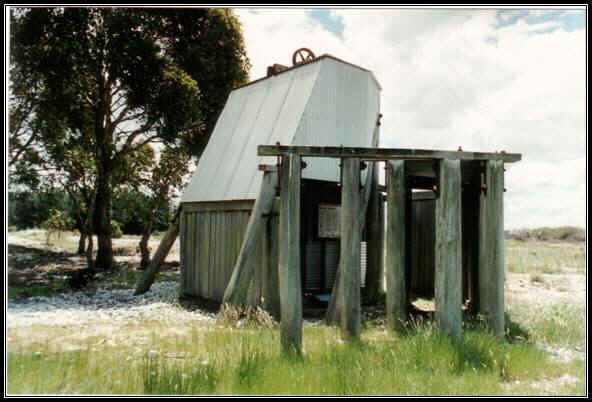
After the mine closed Harry decided it was time for a change, and time to make his own way in the world. He left the family in Creswick and came to Melbourne where he soon took a job in a fish market. He was living at Moray Street, South Melbourne , his occupation a Merchant, in 1886 when he married Mary Isabella Clarke of Hanover Street Fitsroy, on the 13th. May of that year. The 1888/89 postal directory records show J. H. Polglase Oyster Saloon, 400 Chapel Street Prahran.
Mary was a 19 year old Servant, born 27-5-1867 in Ballygrainey, Prebyterian, Down Ireland daughter of John Clarke and Agnes Montgomery-Clarke.
The family arrived in Victoria aboard the ‘Colonial Empire’ which left Plymouth 27th. June 1870 and arrived on the 23rd. September 1870; with them was Mary’s sister Ann born 9-6-1861, and her baby brother Robert. John and Agnes had another daughter Elizabeth born in Ballarat in 1870 and a son John born at Creswick in 1872. Young John was only 3 years old when his mother died in 1875.
Harry and Mary were married according to the Rites of the Free Church of England, by Mr .Nathaniel Rinseman (spelling unclear) minister at his home in Moor Street , Fitsroy, on the 13-5-1886. They had six children before Mary died on the 6-2-1904, after having suffered from ‘Phlebitis’, (blood clotting) for 3 years.
After Mary died Harry married Amy Kelly in September 1905.
The six children of John Henry (Harry) and Mary Isabella are:-
1/ John Percival born 1887
2/ Henry Robert (Harry) born 1889
3/ Blanch Edith born 1891
4/ Maude born 1893
5/ Leonard born 1896
6/ Gladys 1902 died 1902.
The three children of John Henry (Harry) and Amy Kelly-Polglase are:-
1/ Doris Louisa born 1906
2/ Herbert Leslie (Bert) born 1908
3/ Edna Ada born 1910
These histories are all recorded below:
1/ John Percival Polglase born 1887, John served in the 22nd. Battalion in WW1 from 23-3-1916 to 25-1-1919. He married about 1912, Hilda Lillian Graham, they had two sons Percival William born 1913 died 1914 and John Clifford born 21-2-1915 at Balallawa, Victoria; he enlisted in WW2 at Willowby, N.S.W. on the 15-12-1941, he was taken prisoner in Malaya 15th. Feb. 1942 was held at Changi, and died of disease whilst P.O.W. Siam with ulcers and toxaemia 26-11-1943. John is buried in the KANCHANABURI WAR CETERY Thailand . John and Hilda also had a daughter Vera Marion Polglase born 1911 and died at Kew in 1942.
It is said that John senior never recovered from his war experience and died in sad circumstances.
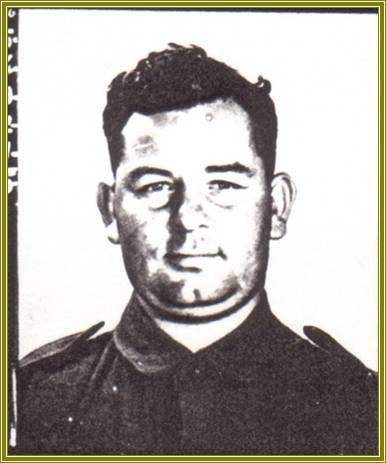
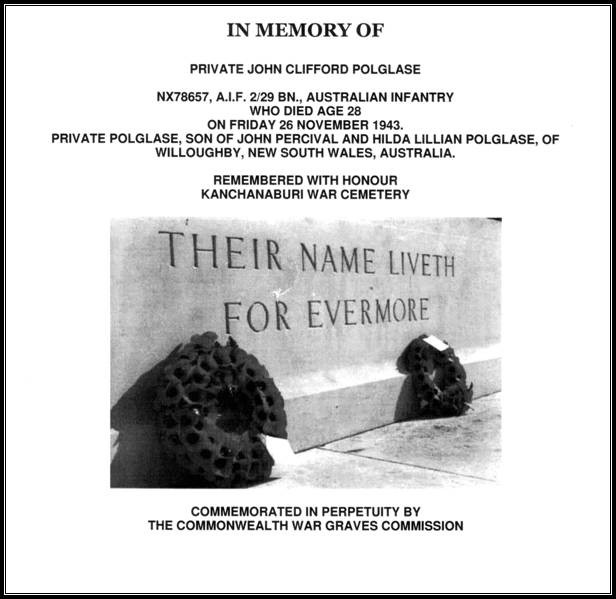
2/ Henry (Harry) Robert Polglase born 23-Nov-1888, at 2 Palerius Place, South Yarra. occupation Barman, he worked at ‘Hosie’s Hotel’ in Melbourne for many years.
He married 20-Dec-1913, in Burnley, Victoria., Ada Louise Grace Player, who was born 21-8-1890 at 25 Amsterdam St. Richmond., (daughter of William Edward Eldad Player and Hannah Martha Matilda Laudehr, (the daughter of George Laudehr & Mary Louisa (Polly) Wells ) Harry and Ada first lived in Carlton, after the death of their son Ernest they moved to Mentone, later buying a home in Balcombe Road Beaumaris, where they lived for the rest of their lives. Ada died 2-Jun-1954, in the Alfred Hospital Melbourne, and was buried: 3-Jun-1954, Melbourne General Cemetery , Carlton . Harry died 23-Aug-1955, Cheltenham . buried: 25-Aug-1955, Melbourne General Cemetery Carlton; with Harry’s mother, Isabella, his wife Ada ; his sister Gladys, and his son Ernest. Harry and Ada had three children, John (Jack), Robert (Bob), & Ernest (Ernie).
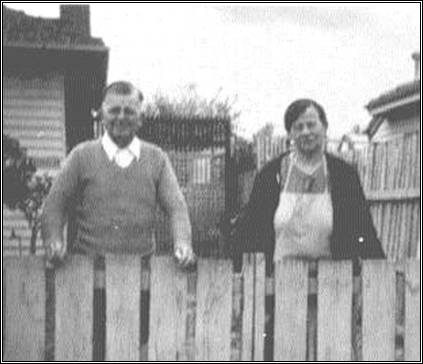
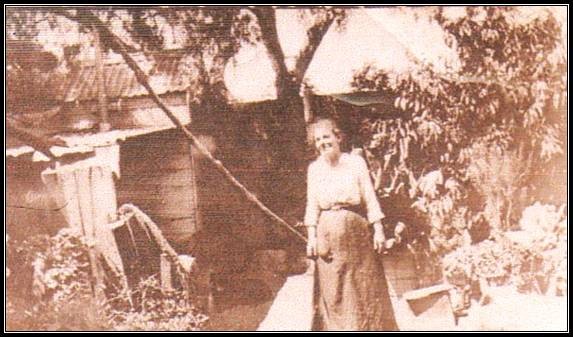
Harry and Ada had three children, Ernie died as a toddler, Jack & Bob are recorded below with their descendants.
1/John (Jack) Henry Polglase born 4-Oct-1914, Melbourne , during in the war Jack worked in a ammunition factory where he suffered burns to his arms, later he became a Barber he married 1938, Doris May Brown , born 10-Feb 1916, Melbourne, (daughter of Sydney Brown and Stella Maude Campbell ) Stella Campbell came from Tasmania , the daughter of James Brown and Martha Donaldson; and it goes without saying that all the Tasmanian Donaldsons are related to Princess Mary of Denmark !!!
Doris won a scholarship to a dressmaking Academy and was an extremely good dressmaker, she also enjoyed a game of tennis. Jack and Doris spent many Christmas-New Year holidays camping at Cows, with the family. Doris died 23-Jan-1973, Coburg , buried: 30-Jan-1973, Fawkner Cemetery . Jack is also buried: Fawkner Cemetery . Jack and Doris have five children
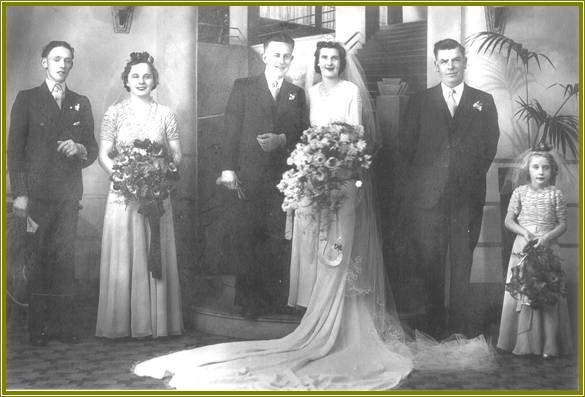
L--R Ron Howard,----, Jack & Doris Polglase, Sydney Brown (father of bride) and flower girl June Little.
Jack and Doris have five children:
1/ Beverly Polglase born 20th. Oct 1940, married Kenneth Ford, they have four children:
A/ Donna Ford born 5th. Dec. 1962, married Wayne John Marc, they have three children; Keegan James born 29-5-1989; Kiandra May born 1-1-1991, and Kalen Heath born 14-4-1994.
B/ Dean Andrew Ford born 25-8-1963, met Kim Michelle Bradshaw who has two daughters, Kim born 15-5-1988, and Charlotte born 19-4-1993. Dean and Kim have three children; Rani Lee born 18-11-1995, Maddison Rose born 15-5-2001, and Ayisha Jean born 17-3-2003.
C/ Dale Anthony Ford born 1965 married Jaqueline Parnis, they have three children; Troy Mark born 22-3-1986, Jesse Rohan born 9-12-1991, and Mark Christian born 23-8-1996.
D/ Darnielle Ford born 1967 married Shane Patrick Laughlin, who has a daughter Tiffany born 4-6-1988. Shane and Darnielle have two children, Tallara Paige born 28-7-1996 and Tatun born 6-4-2000.
2/ Brian Polglase born 12-3-1942, Melbourne; married 1/ Cheryl; married 2/ Pauline Pickering, married 3/ Margaret. Brian and Cheryl have two children: Belinda and Shelley born abt 1974 and 1976 respectively. Shelley has two daughters, Brooklyn and Chrystal born 1997 and 2003 respectively.
3/ Shirley Polglase born 30-11-1944 married Desmond Purtle, they have two children: A/ Darren James Purtle born 13-8-1966 married Sharon; they have three children; Brodie born 1995, Jett born 1996 and Montana born 1997.
B/ Michelle Purtle married Darren, they had twin daughters born 2004.
4/ Keith Henry Polglase born 27-4-1946 married Judy Carter born 28-11-1948, they have two daughters; A/ Tracey Leigh born 26-6-1971 married Gary James Embleton. they have Anthony Embleton born 12-8-1996 and Bianca Leigh Embleton born 4-4-1999. B/ Natasha Joy Polglase born 7-2-1974 married Kenneth Lesley Harrington 11-12-1999.
5/ Lorraine Polglase born 18-3-1951, married 1970 David Ramsdale; they have three sons: A/ Paul Ramsdale born 17-3-1971 married Dalila Laeb, they have two children Taylor Jay born 30-6-1998, Ebony Rose born 17-11-1999.
B/ Marc Ramsdale born 8-6-1973 was married and has a son Leon Ramsdale.
C/ Travis Ramsdale born 12-4-1980.
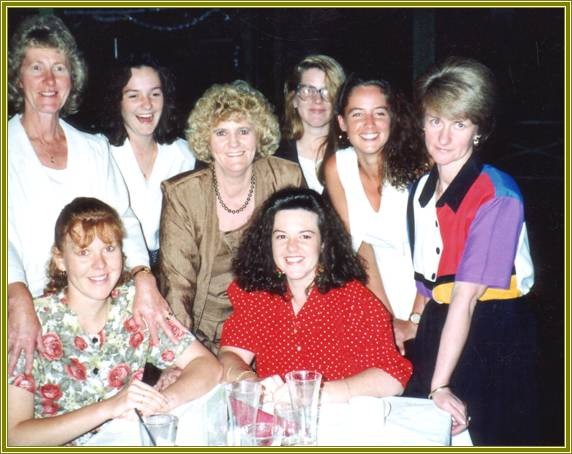
Standing L-R; Shirley Polglase-Purtle; Natasha Polglase-Harrington, Beverley Polglase-Ford; Shelley Polglase; Belinda Polglase & Lorraine Polglase-Ramsdale; Sitting --Michelle Purtle and Tracey Polglase-Embleton.
2/ Robert (Bob) William Polglase born 28-1-1930, builder died in Western Australia 1-12-2003. Bob married Avis Lorraine Box born 22-6-1934. They had four children, before going their separate ways. Bob married secondly Patrica Donelly, they have one son Shane Polglase. Avis later married Alan Kennon Leigh.
The children of Bob and Avis are:
1/ Kenneth William Polglase 22-12-1955 ---23-12-1955.
2/ Allan Robert Polglase-Leigh born 25-1-1958 married Maryanne Stienman they have two daughters; 1/ Kristel Katrina Leigh born 1984 and partner Sam Briggs have a daughter Chloe. 2/ Tamara Stacey Leigh born 15-2-1986.
3/ Reginald Mark (known as Mark) Polglase born 18-10-1961 is not married and does not have any children.
4/ Katrina Mary Polglase 27-9-1962 --19-3-1970. Avis also has a foster son Christopher Williams born 7-9-1970 also is not married and does not have any children.
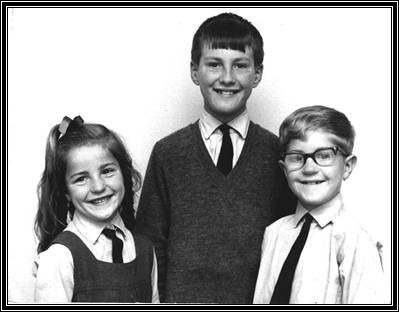
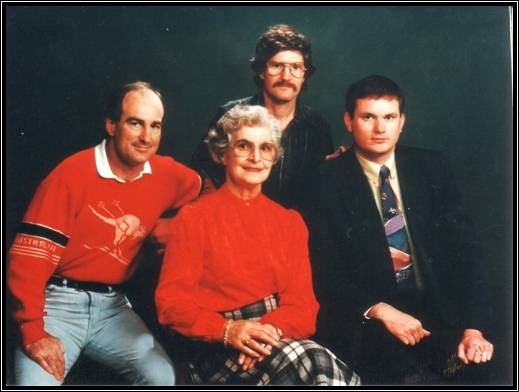
Standing Mark Polglase.
3/ The third and last child of Henry and Ada Polglase was Ernest Austin Polglase 25-8-1935 ---27-9-1937.
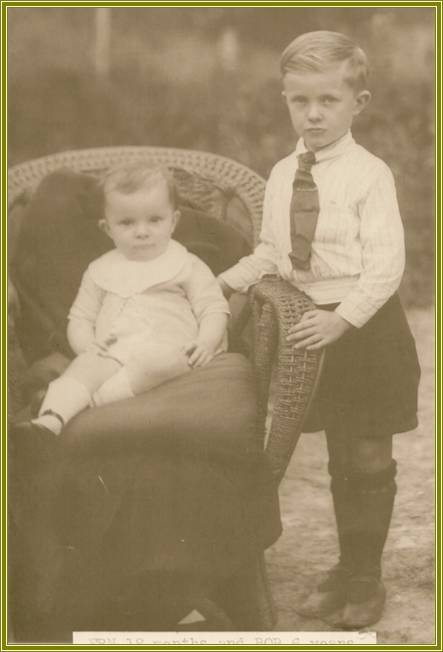
3/ Maude Annie Howard Polglase born 1893 (daughter of John Henry and Mary Isabella Clarke- Polglase) married 1915 William Barkly Brown, they had:-
1/ Howard Barkly Brown born 1918 died 1918
2/ Keith Morris Brown born 1920.
4/ Blanche Edith Polglase married Steve chance, they have:-
1/ Daisey chance married Mr. Spock, they have Fay Spoke, she married Mr Boucher.
2/ Blanche Chance.
5/ Leonard Montgomery Polglase 1896, married 26-8-1954, Agnes Brockwell He enlisted in the A.I.F on the 22-8-1914, , he had his 19th. birthday at Gallipoli, he was wounded at Lone Pine and contracted T.B. while he was at war; he returned to Australia on the 4-9-1915. He worked as a Caretaker, at the S. S. Bank He and Agnes lived at Watsonia and later at the War Veterans Homes in Frankston. Leonard died in 1974. Len and Agnes had two sons. Leonard’s grand-daughter Sheryl Boyce (daughter of Horace Polglase) writes:-…………………… “Grandpa was, in my opinion an amazing man. He was unemployed during the depression and did what ever work he could find, including being part of a work gang that built the road that runs beside the Yarra river at Sth. Yarra, I think. He also taught his two sons to swim in the Yarra at Burnley . When he retired Grandpa was a very keen and accomplished gardener. He also liked to go for drives. He would often pick my sister and I up after school and take us for a drive and an ice-cream. He was a very good and caring grandpa. He met Nan in Maryborough and when they married they settled in Sth Yarra”
The two sons of Leonard and Agnes are:- Horace Brockwell Polglase born 5-Jan-1919, at Sth Yarra., Horace was named after his mother’s brother who was killed in France in WW1. Horace enlisted in WW2 on the 16-2-1937 at Glenferrie, he served at Tarakan and saw some very heavy action, he was discharged on the 25-6-1946. Horace received the following war medals:- 1939/45 Star—Conditions of Award—Six months operational service during the period of 3-9-1939 to 2-9 1945, also by entry into campaigns in Greece, Crete, Syria, Java, Sumartra, Malaya, Timor, Burma, Assam, and NW Frontier qualifies. Pacific Star—Entry into operational service in the Pacific theatre; this award cannot be earned in addition to the Burma Star. Dence Medal—Six months service in non operational areas subject to air attack, or closely threatened, and for 12 months non operational service overseas from, or outside Australia . War Medal 1939/45- Full-time duty personnel of the armed forces for a total of not less than 28 days operational or non operational service wherever rendered not necessarily continuous. Australian Service Medal-Full-time duty of not less than 18 months or part-time duty of not less than 3 years providing that at least 60 days defence duty was performed during the part-time service, and providing also that where full-time duty of less than 18 months was rendered it shall count double towards the tart-time service qualification. On the 26-8-1954 Horace married widow, Agnes Patricia Stanton ( born 12-4- 1923) at East Melbourne , Agnes had two sons, ----- & Graham. Sadly soon after their marriage the first son was knocked down on the road and died; Agnes and Horace then had twin sons who died a few days later. Horace legally adopted Graham as his son, they had a very good relationship; Graham was killed in Vietnam . Sheryl Boyce writes:-“ Dad’s hobbies are classical music and he loves all sports especially football ( Carlton ) and cricket. Dad was a Caretaker in city building most of his working life, my sister and I grew up in the city. Dad’s last job was Hallkeeper at the Sth. Melbourne Town hall . We lived on the premises, or at least I did until I was married, Dad had a heart attack about 1981 and retired at that time. When I was born Dad was Caretaker at the State Savings Bank in Swanston Street in the city (the building is no longer there). Horace and Agnes have two daughters:_
1. Sheryl Ann Polglase born 12-May-1958, married Steven Boyce .
a. Nathan Lucas Polglase-Boyce born 28-Apr-1983
b. Joel Michael Polglase-Boyce born 11-Jun-1985.
2. Vickie Patricia Polglase born 30-Nov-1960, married abt. 1990, Paul Mizzi, they have two children:
a. Callum Paul Mizzi born 18-Jun-1991
b-Isabella Mizzi born 11-Nov-1994.
[B] Fredrick Montgomery Polglase born 18-1-1932 –8-11-1989 at Melbourne occupation primarily a Print, but did other jobs, one was Caretaker, A.N. Z. Bank, 81 Collins Street from about 1961/2 –1965/6,the family lived on the premises, then lived at Kew for about a year while their new home at Watsonia was being built (after the original builder went broke). Fred also worked as a Steward at the Army Barracks for a time. Fred married 29-Aug 1946, in St. Columb's, Church, Hawthorn. Margaret Josephine Palmer , born abt.1925 Melbourne , died 4-Oct-1995, Melbourne, After Fred was retrenched from the printing firm he was working for; he set up a printing business at his home in Watsonia, his son Robert still has the old printing equipment there. Fred and Margaret have two sons.
1/ John Polglase born 15-6- 1949, Melbourne , occupation Draughtsman., married abt 1970, Carole born abt. 1950, Melbourne . John died 13-Oct-1995, Melbourne . Cause of death Liver Complaint Worked for Henley Homes in Melbourne after being educated at Swinburn College . Played in a band "Vanpiers", with other college mates. They have three sons:-
a. Mathew John Polglase born 17-3-1972, Melbourne .
b. Danieel Brockwell Polglase born 20-5-1976, Melbourne .
c- Russell James Polglase born 13-6- 1979, Melbourne .
2. Robert Polglase born13-10- 1959 works in Electronics at La Trobe University., is not married, lives in the family home at Watsonia with his long time partner Gabrielle
[6]-Gladys Polglase (daughter of John Henry Polglase and Mary Isabella Clarke ) born 1900, died 1901 Buried in Melbourne General Cemetery, Presbyterian section K No. 902 In the same grave is her mother Isabella Polglase, nee Clarke; her brother Henry Robert Polglase, his wife Ada Polglase, nee Player; and Henry & Ada’s son Ernest Austin Polglase.
After Isabella died John Henry married secondly Amy Kelly, daughter of Mary Louise Wells-Laudehr-Kelly and David Beattie Kelly.
I believe Amy may have been a good friend of Harry’s wife Isabella, or she may have worked as a home help and carer of the children, as Isabella was so ill. Harry and Amy had three children.
Doris Louise Polglase born 1908
Herbert Leslie Polglase born 1910
Edna Polglase born 1912
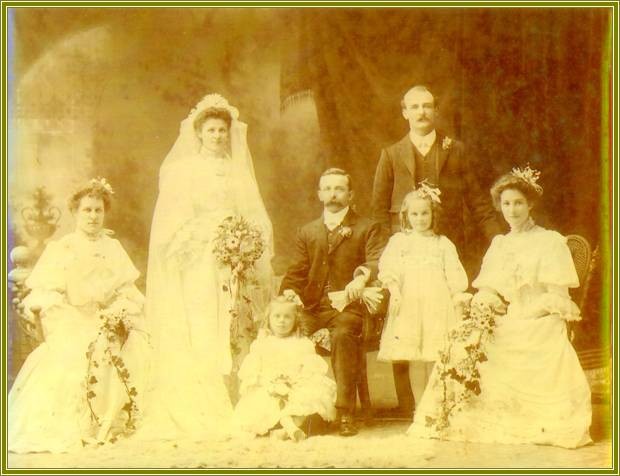
The marriage of John Henry Polglase and Amy Kelly—September 1905 Bridesmaids Miss E. Kelly ( bride’s sister) Miss E. Clarke (cousin), flower girls Effie and Ethel Kelly (Nieces of the bride), best man Mr. H. Kelly (cousin of bride)
Editor's note--Miss E. Clarke was most probably the sister of the groom's first wife Mary Isabella Clarke. It is said that Amy Kelly was a friend of Mary Clarke and so possibly helped John care for her and the children during her 3 years of illness.
1/ Doris Louise Polglase married George Farmer born 1906. They have four children:-
A/ Shirley Farmer married Fredrick Carey, they have four children:-
1/ Peter Carey, he married Jean Howlett, they have Mandy Carey who has a son Robert Carey.
2/ Colin Carey married Sandra Christie, they have Tiffany and Benjamin.
3/ Russel Carey married Jenny Cummin, they have Matthew and Paul.
4/ Jenny Carey married Brian Joseph, they have Amy, Emma, Beth, and Andre.
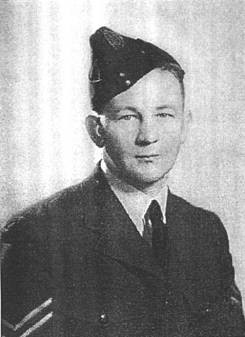
Bert- (son of John Henry Polglase and Amy Kelly ) married 1933, Lillian Joyce Grey , known as Joyce—born 20-Aug-1912, Melbourne , died 10-1-1997, Mooroolbark. Bert compiled a book ‘The Wells Kelly Polglase Connection’; sadly he died before completing the task, Joyce finished it for him. The pictures below are from that book. As is the career details as follows:- “Bert attended Frankston State school to age 14—merit certificate; Central business College Melbourne—won scholarship, 2 years. Qualifications at age 21 from night school ‘Certificate of competency’ in several subjects to act as Town clerk or shire Secretary of a Municipality.—Junior Clerk—Shire of Frankston and Hastings at age 16; later assistant Shire Secretary. Shire Secretary, Broadford 1939-1951 (including 3 ½ years in R.A.A.F.) Chief Clerk, city of Oakleigh 1951; shire secretary, shire of Alexandra 1951-1955; Town Clerk, city of Camberwell1956 1968. Perryn Printing Service (in Mooroolbark) established by Bert to assist Local Government and other departments and organizations supplying and annotating amendments and re-prints of Local Government Acts and other Acts and Regulations from the government printer Retired 1978”.
Bert and Joyce had two adopted sons.
[A]-Alan Polglase born 1949, married abt.1970, Dianne Glyn .
a/ Belinda Polglase born 6-Aug-197
b/ Elizabeth (Libby ) Polglase born 1977.
Alan carried on the family printing business in Mooroolbark, until some time after his mother’s death, then the business was sold. Allan and Dianne have now gone their separate ways.
[B] Rodney Polglase born 1952, not married.
[9]-Edna Ada Polglase (daughter of John Henry Polglase and Amy Kelly ) born 16-Jun 1912, Frankston, married Clarence Preston , born abt. 1910.
[A] Fay Preston married (1) . K. Johnston , married (2) R. Holt .
1/ Gregory Johnston
2/ Steven Johnston
3/ Daryl Holt
[B] Kay Preston married J. Sallow .
1/ Michael Sallow drowned age 25.
2/ Julie Sallow married Mark Wilson
a/ Madison Jane Wilson .
[C] Sandra Preston married (1) R. Carne , married (2) . M. Mossley . 1. Jennifer Carne 2. Paul Carne 3. David Mossley
[D] Geoffrey Preston . Died age 16 yr.
[E] Denis Preston married Iris Forbes . 1. Debra Preston 2. Vickie Preston. 3 Gary Preston .
Thomasina Mary Polglase born 28-2-1864 --- 28-2-1864 (daughter of John and Mary Polglase)
Thomasina Mary Polglase born 1865, Castlemain, daughter of John and mary Polglase, married 1884 James Tute, son of George tute & Elizabeth, nee Larkin, they have seven children
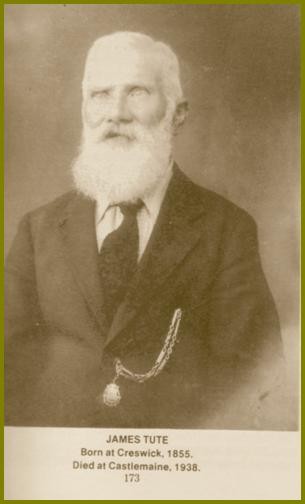
“Jim Tute came from Creswick to Fryerstown immediately after the flood (1-1-1889), with the express purpose of fossicking in the gullies. He went to golden Point Chewton first, only to find the whole place pegged out, mainly by Chinese.
He then went over to Fryerstown where he did well. After a few weeks, he moved his family to Fryerstown from Creswick, and remained a resident for over thirty years.
He was recognised far and wide as an accomplished fossicker, and had few, if any superiors in this art. It was the only occupation he knew during his long working life, and he reared a family of seven panning for gold with a tin dish. He often said he made a better living that way than he could have done working for wages in the mines”.
1/ James (Jim)Tute born 1886 died at Castlemaine in 1939 aged 54 married 1906 Elizabeth (Liz) Harris, they have at least six children and possibly more born between 1910 and 1916.
A/ Gladys May Tute born 1906 &
B-Charles James Tute born 1906 Charles died 1907 at Castlemaine
C/ Lily Elizabeth Tute born 1907
D/ Walter Henry Tute born 1909.
E/ Edna Myrtle Tute born 1910
F/ John William Tute born 1916
Jim and Elizabeth and their family first lived in Baird Street Castlemaine, next door to Edith and Edward Brown and George and Bessie Brown. These homes all long demolished, Jim and Liz later moved to a cottage beside the creek in Castlemaine, this cottage is now ‘Heritage Listed’.
2/ John (known as Jack) Henry Tute born 1887, died 1936, at Box Hill, married 1910 his cousin, Rose Wood (daughter of Rosezena Polglase and John Wood) born 1888 at Creswick died 1980 at Nunawading, they have two children:
A/ Esmond Tute born 21-3-1911 worked in the aircraft factory at Fishermen’s Bend in Melbourne, he married Mildred Gertrude Shewin, daughter of Alfred and Matilda Shewin, Mildred died at Box Hill in 1982 aged 63; they have six children; Glenis is a school teacher, married ? Helen is a nurse, not married, Alwyn works in a bank, has bee married, Heather is a school teacher, lives west of the city married to Bill an electrician, they have two girls; Graham works for the government and is married to Veronica.
B/ Alwyn Tute born 17-5-1913 married 30-6-1938, Charles Pascoe born 19-4-1907, they have three children;
1/ Brian Pascoe born 16-12-1944, is a chemical engineer, married 11-4-1968, Gwen Punt born 6-5-1942, they have:-
A/ John Pascoe born 15-1-1970, married 12-4-1992 Shari Vegg, born 2-1-1971, they have Jason Pascoe born 24-7-1993; Mikayla Pascoe born 29-6-1996; John married 23-4-2000. Tania Grady born 27-6-1972
2/ David Pascoe born 12-9-1947, died 17-9-1947
3/ Pamela Pascoe born 24-10-1948 married Stan Punt. There are no children to this marriage.
Jack and Rose first lived at Geelong , then moved to Richmond and later to Box Hill. John suffered badly from rheumatoid Arthritis and was unable to work, Rose worked at the Sanatorium Health food company, becoming forelady. Alwyn attended Richmond primary school, and when at the age of 11 the family moved to Wellington Road Box Hill (where the Box Hill hospital is now) she attended Box Hill Girls Technical School until she left at 13 years of age, and worked with her mother at the Sanatorium Health food Company. Charles and Alwyn now have a unit in Coronalla Retirement Village in Nunawading.
After Jack died Rose Lived with Charles and Alwyn until their two children were born, then Rose moved to the Coronalla Retirement Village and later into their hospital where she died. ?
3/ William Henry Tute born 1889, Creswick, died 1969 at Geelong married Ivy Elizabeth Grundell daughter of William Grundell and Harriett Holmes, born 1894, died at Geelong in 1960 age 66.they have William Henry Tute born 1915.
4/ Mary Thomasina Tute born 1891, Fryerstown, married 1914 Arthur Antonio they have Arthur William Thomas Antonio born 1914 at Fryerstown. They have Edna Myrtle Antonio, born 1910
5/ Elsie Maud Tute born 1893 married George Rouse.
6/ Selina Florence Tute born 1895, Fryerstown, married 1911, Charles Harris, they have Alf Morris Harris born 1918 at Castlemaine.
7/ Lilly Daphne Tute born 1896, Fryerstown, married 1918 Francis Henry Taylor, they have George Collin Taylor, born 1915.
Editors Note—There are probably more children born to these families after 1920, records not available
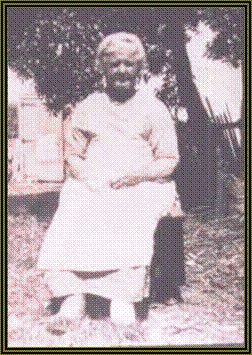
16-5-1884 at the Office of Registrar, Ballarat; Edward Virgo Iles , born July 1863, occupation miner, died 1884 result of a mining accident; Edward was the son of William Iles and Rebecca Johnson, William was born 1-9-1837 in Brighton , Sussex , England . Isabella and Edward had one daughter, Emma Iles born 21-6-1884 Edward Isle was t was the son of William Iles 3rd. who was born 1-9-1837 At Brighton, Sussex , England ; he married Rebecca Maria
Johnson
William Iles 3rd. was the son of William Iles 2nd. Who was born in 1806 at Poynings , Sussex , England He married Elizabeth Guilford, daughter of Thomas Guilford and Ann Martin, on 12-4-1826 at St. Nicholas Parish Church, Brighton .
He died 4-10-1879 at Creswick , Victoria . He was buried on the
6-10-187 at Creswick Cemetery.
William Iles 2nd. Was the son of William Iles 1st. who was born 1786 at Yorkshire , England . He married Kerren-happuch Virgo, daughter of Thomas
Virgoe/Virgo and Hannah Sheley, on 5-3-1804 at St. John the Baptist, Lewes , Sussex, England
1]-Emma Iles (daughter of Edward Isles and Isabella Polglase ) born 1-2-1884, was only a few months old when her father died. Emma married 1904, John Albert Victor Lloyd Coverdale 4th. born 13-3-1882, died 12-2-1950 in Ballarat, and was buried in Creswick. Emma died in childbirth with her last son, 6-5-1913, she was buried in the Creswick Cemetery on the 7-6-1913.
John A. V. L. Coverdale 4th. was the son of John Coverdale 3rd. who was born 1844 Wiggington, Yorkshire, and died
1930 in Creswick, Victoria. He married Susanah Mortimer on the 11-11-1872 in Christ Church Ballarat, she was the daughter of Horace Mortimer and Mary Akeroyd.
John Coverdale 3rd. was the son of John Coverdale 2nd. who was born 1815 in Easlingwold, Yorkshire, England he married Jane Backhouse in 1836 in Yorkshire . They emigrated to Australia about 1863 with two sons, John and George. John was a gardener with the Buninyong Shire Council and died 1894 of heart disease; in Sebastopol , Victoria . He is buried 17-4-1894 in the C/E section plot number 822 of Buninyong Cemetery with Jane no headstone. John was the son of John Coverdale 1st. who was born 1780 in Yorkshire, England, he married Elizabeth
Tomlinson in Yorkshire.
Emma and John Coverdale had six children
[A]-Edward Clyde Victor Coverdale born 8-11-1905, at Creswick, he married Iris Daphne Clorine Maloney on the 5-10-1929 in Church of England, at Seymour; born 1904, Edward died 21-4-1977 at Cheltenham and was cremated at Springvale, Victoria.
Edward and Iris have four children:-
1-Myrtle Jean (Jane) Coverdale born 2-11-1929, at Seymour, married 19-8-1950, Leonard Whitting, Len died 13-1-2004; they had one child; Paul Dennis Whitting born 1-7-1951, died 10-5-1971.
2-John Edward James Coverdale born 22-9-1930, married 15-6-1957, Beryl Amy Quantock , born 1930, they have four children all born at Bethesda Hospital Richmond, Victoria.
a-Peter John Coverdale born 14-8-1958, died 18-8- 1958.
b-Ian Francis Coverdale born 6-1-1960, married Vicki Joy Eldridge on 7-8-1984 at Mill Valley Ranch, Victoria. Vicki is the daughter of David & Mary Eldridge, nee Davidson. Ian and Vicki have two children both born in Royal Women’s Hospital, Victoria.:- 1/ Aden John Coverdale born 23-6-1993
2/ Finn Davidson Coverdale born 7-1-1997.
c-Heather Joy Coverdale born 10-11-1961.married Kimberley Neil Story on 1-3-1986 in St. Barnabas, North
Balwyn, Victoria. Heather and Kimberley have two children, both born in The Angliss Hospital, Fern Tree Gully, Victoria.
1/ Rebecca Amy Story born 21-10-1987, 2/ Aaron John Story born 21-11-1989.
a/ -Ross Edward Coverdale born 14-2-1963, married Karin Brigitte Glaser on 13-12-1991 in Camberwell
Salvation Army, Victoria. Karin is the daughter of Wilfred and Gisela Glaser, nee Stefmaier. In 1984 Ross achieved a Degree of Batchelor of Applied Science (Computing) at Chisholm. Karin received a Degree of Nursing qualification at Panch in 1985. In 1994 with a three month old baby they went to Zimbabwe to do aid work for the Salvation Army for three years. While there, their second child was born and in the same month became a Citizen by Descent, at the Australian embassy.
The two children of Ross & Karin are:- 1/ Stephanie Coverdale born 2-8-1994 in Box Hill, Victoria,; 2/ Zac Amos Coverdale born 13-10-1996, Howard Hospital; by Major Dr. Watt.
3-Norma Joan Coverdale born 13-11-1932, died 23-5-2002, married 6-1-1951, Walter Herbert Hadley , in Mordialloc
a-Raymond Hadley born 1951, married Kerry Mahem .
(1) Amanda Hadley .
(2)- Justin Hadley . b.-Bruce Hadley born 1953, married Jan. Dial .
(1) Amy Hadley (2) Sally Hadley .
3- Benjamin Hadley .
c.-Janet Hadley born 1957, married 1/ John Napier 2/ Paul Szakal .
1- Ryan Napier
(1) Kelly Szakal .
(2) Emily Szakal .
(3) Melannie Szakal .
. d/ Linda Hadley born 1961.
e. Dawn Hadley born 1964, married Paul Canthere .
(1) Penny Canthere .
2-Larissa Canthere
4-Phyllis Emma Coverdale born 10-8-1935, in Seymour, she married
17-12-1955, in Church of England, Frankston, John Sidney Mathwin a a-Penny Marie Mathwin born 13-10- 1956, in Frankston married
29-4-1978 in C/E Lambton, Newcastle, NSW, Neville Smith. Penny married secondly Kevin Parkinson in the Uniting church at Wallsend, Newcastle , NSW.
b-Shayne Mathwin born 10-4-1959, in Nowra, NSW. married Caroline
May Miles , 20-12-1980 in C/E Charlestown.
(1) Shay Cassandra Mathwin born 2-4-1985 Newcastle , NSW
(2)-Troy David Mathwin born 16-9-1987 at Newcastle , NSW.
3--John Mathwin born 7-7-1981, married Michelle Walsh 7-7-1993, in Hamilton Gallipoli Club-Celebrant
(1)-Daniel Tennesse Mathwin born 21-5-1995 in Newcastle.
(2)-George Rae Mathwin born 30-11-1997 in Newcastle .
a-Kim Mathwin born 18-2-1963, married Sally Anne Rawlings
30-11-1985
(1) Benjamin James Mathwin born 5-4-1990 at Newcastle
(2) Kate Louise Mathwin born 21-10-1991 at Newcastle .
(3)-Laura Elizabeth Mathwin born 1-10-1993 at Taree, NSW.
B- Gladys Coverdale born 1907.
C- Boy Coverdale born 1909.
D-Harold Coverdale born 1910, married 1947, Hilda Chance .
1. Cheryl Coverdale born 1952, married 1973, Mr. McKnee
a. Jaquline McKnee
b.- Craig McKnee
[E] girl ? Coverdale born 1912.
[F] Boy ? Coverdale born 1913
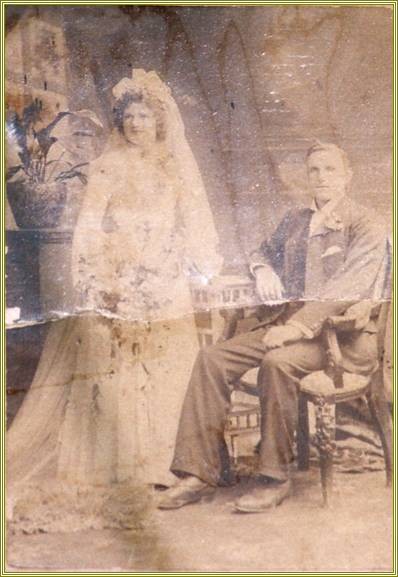
After Edward Iles died Isabella married secondly John Jeffery, born 1866, (son of Richard Jeffery and Jane Hoskin) who were married at Lydiard
Wesleyan Church by Rev. Taylor in 1857; John Jeffery was one of the 2 Cornish miners who found the 'Welcome N Nugget' the largest lump of gold, up to that time, that had ever been found, anywhere in the world. They found it on t 9-6-1858, in Ballarat.
Vera Harris-Sutherland is a great-grand-daughter of Richard Jeffery, and has done extensive research into the family history and records of her g-grandfathers working life, which I will quote, bearing in mind that Vera is over 80 years of age at the time of writing her recollection of what her grandfather and others have passed onto her; together with her own research. “ Creswick Record August 27-1907; ‘After an illness over several months, Richard Jeffery of camp Hill Creswick, died at about 10 O’clock on Friday evening last. During the past 3 weeks he had been slowly weakening and it was clearly evident that the end was approaching. He was born at Illogan ( Cornwall ) on the 27-7-1834 and thus was 73 years of age last month. His father, Edward Jeffery reached the age of 86; his mother Elizabeth also reached the age of 86 years.”
Richard arrived in Victoria with his brother William, Henry and Thomas on the 17-8-1853 and came at once to Ballarat. After he had been here about 12 months, in what was then a tented field, which was to become the ‘City Of Statues’, he went to Castlemaine to see his brother who had been taken ill there. On his return journey he stopped at the Sulky Gully Rush which did not turn out well. Then he went to Mopoke where gold was struck. His party of 5 men getting 5lb. of gold per man in 6 weeks
Owing to the scarcity of water a lot of gold being considered to have been thrown away on account of the ‘ thickness’ of the water that had to be used in the washing where plenty of dirt was left that would give 2-3 cwts. to the’ Tub’ as they could not get water (clean) to wash it.
He always held the opinion that there must be some good quartz reefing at Mopoke judging by the richness of the alluvial.
He and his party next went to Ballarat at the junction of Canadian and Red Hill Richard and other Cornishmen formed a company called “Red-Hill Mining Company” on the corner of Mair Street and Humffray Street, Ballarat; where they worked with the first steam ‘puddler’ that was used in Victoria
Mr Peter Mathews of Ballarat was the engineer and the party comprised 24 members including five of Jeffery brothers—Richard, William, Thomas, Stephen and Henry. Others in the company were Henry Harris; Henry Andrews; Bennet Andrews; Richard Lanyon; Richard --; Mitchell --; Anthony Guard; James Oliver; Stephen Carthew; William Roberts; John Thomas; John Thomas; William Tregena; William Laity; William Trelor and Francis Webster.
The next work done was at then known as “Slaughter-Yard-Hill” at North Creswick . The party came and sinking a hole another shaft was put down. “Mr William Simons” shaft in the vicinity of the spot where the late Mr Nankervis afterwards resided.
Returning to Ballarat they went to Bakery Hill and it was here that Richard found the “Welcome Nugget'
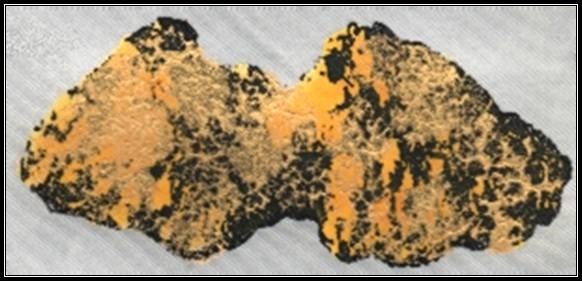
Richard Jeffery went to New Zealand when at the time numbers of Victorian miners tried their fortunes there. Being 14 months absent from Victoria , he did not do well in New Zealand.
In more recent years he visited Broken Hill and when the rush broke out at Tectulpa , South Australia , he went there from Creswick with his eldest son, John, however Tectulpa was a failure.
At the time when gold was discovered at Broomfield and Springhill, he was one of the Co-Operative party working the Royal Standard claim on the North side of the Railway Bridge between North Creswick and Creswick station.
They abandoned this claim on account of the Springhill Fever, but often expressed the opinion that there is a big stretch of country unworked between ‘the Standard’ and the old ‘Imperial Shafts’ at the Standard.
The best of the gold was not in deep ground but on the reef in driving at the rear of Mrs Williams Hay and grain store at the spot east of the railway line. They got handsome specimens, which naturally suggested the existence near by of a good reef.
The ‘Pomeroy’ company whose shaft was west of the north Creswick Railway station, but was not deep enough also employed Richard
On the ‘Red Streak’ mine, he also was one of the men employed to cut down the old grand shaft at the No 2 Davies Junction as the shift boss. He put the iron box with which the shaft was being sunk into a sliding frame.
On the Springhill field he was manager of the ‘Lewers Southern’ & Gestelows freehold and was employed in the ‘ Richardson ’s “ Western Ryries freehold, Lord Harry and Loughin claims. He was also a member of a co-operative party that worked at Ryries Bridge mine Broomfield a few years ago with his two sons, John and William. He devoted a good deal of attention with satisfactory results in the reef at the Frenchmens gully at a spot that would be near ‘miners reef’
Vera also passed on to me the following story:- THE FINDING OF THE WELCOME NUGGETT
Many fortunes were made during the 1850s. in the alluvial (surface) flats of Ballarat East. By 1858, the diggers considered that this field was worked out. Many of them packed up and sought fresh pastures at Browns and Smythesdale and in the newly opened Deep Lead Mines on the plateau above Lydiard Street . But on the 9 June 1858, there occurred an event that had the effect of bringing them back as fast as they could come. It was the discovery of the Welcome Nugget ! The story began when a party of twenty-two Cornishmen, all men trained in the copper mines of their native Duchy, left home in 1857 to seek their fortunes on the gold fields of Ballarat.
On arriving at Melbourne , they heard bright stories about the wealth obtained at Creswick, so off they went. But Lady fortune did not smile on them, and after six months of unsuccessful work they went to Ballarat and looked about. For a few weeks they studied the line of the country and at last decided that the Bakery Hill Lead must be underground, somewhere near the Ballarat East Railway Station now stands.
They found an abandoned shaft about 160 feet deep near the corner of Mair and Humffray Street , and pegged out their claim. They constituted themselves into a proper company called the Red Hill Co-operative Gold Mining Company, consisting of 22 shareholders.
In march 1858 they secured possession of the ground and after timbering the shaft, they sank it 20 feet lower and there came upon the Bakery Hill lead. They followed it along and got a little gold. In May they found two nice lumps of gold, weighing 45 ounces and 12 ounces with other smaller pieces they sold for ₤ 240.
On the evening of the 9th. June, the day shift had finished work and climbed into their bunks for their well earned sleep. The night shift had begun work. At 7.30, one of them found his pick had struck what he thought was a big lump of stone. But his eye caught a gleam of dazzling bright yellow. He called his mates who hurried to him. Between them, they gradually drew out of the clay the largest lump of gold that, up to that time, had ever been found in the world.
For half- an- hour they sweated, levering it into a cage.
Then came the task of hauling it up to the top. One ran to the camp to tell the sleeping men of the wonderful find. We can imagine the excitement of the Cornishmen as they tumbled out of bed and into their clothes. “Say you John Henry ! Be ‘e big ‘un ?” “Iss man’ Thomas William. ‘E be big as ‘house !”
They arrived at the mine and by the light of a lantern feasted their eyes on the glorious lump of glittering metal lying on a board. They got a sharp file, scrubbing brush and plenty of water, and cleaned it, scraping away bits of stone and lumps of clay. Its greatest length was 20 inches and thickness 8 inches. One end was something like a horse’s head; then came a short neck; then it widened out into a blunt knob.
Like all Ballarat gold it was a bright glittering yellow. Later on when it was tested and analysed it proved to be 99% pure gold. A steel yard was found and the monster weighed, it went 18 c.w.t. When later on it was carefully balanced at the treasury it proved to be 2,217 ounces 16 cwt Troy .
A bucket of beer was bought from a near by hotel and some of it, not much for the Cornishmen are not wasteful people, was poured over the nugget and it was christened the “Welcome Nugget” All night the men sat and admired their beauty, and finished the beer.
In the morning it was levered up into a wheelbarrow, diggers going to their work that cold winter morning, were thrilled to see twenty- two happy Cornishmen escorting that wonderful golden giant to the treasury in Lydiard Street .
There it was weighed and left for safe keeping and we may suppose the Cornishmen went back to their camp for a sleep.
In the Ballarat ‘Times’ on the 11 June there was an advertisement stating that ‘The Welcome Nugget’ would be on exhibition at the Miner’s Exchange in Sturt Street on the 11th. 12th. 13th. & 14th. June admission 1/- All takings were to go to the funds of the Miner’s Hospital in Drummond Street . (this Miner’s Hospital became the Base Hospital of to-day) Hundreds of curious folk paid their shillings to see what the showman called ‘The Wonder of the World
There it lay in all its glory on a fine background of well draped black velvet. On the 15th. and 16th. June it was exhibited at the John O’Groat Hotel in Main Road, all the proceeds to be given to the Benevolent and Visiting Society, (which later became the Benevolent Home.
Every mother who visited the room was allowed to seat her baby astride the nugget, thus assuring the infant of a fortunate life. Finally it was exhibited on the 17th. At the Police court at the corner of Main road and Barkly Street , the proceeds going to the Red Hill National School funds.
An enterprising firm of gold buyers, Wittkowski Brothers, now paid ₤ 10,050 cash and became the owners of the Welcome Nugget.
They were not going to melt it down. In the Melbourne ‘Argus’ of the 9th. August 1858 was a big notice stating that the Mechanics Institution (now the Athenaeum) would be exhibiting the famous Welcome Nugget, the Nil Desperandum Nugget and other lovely specimens of Ballarat gold. Admission 2/-.
The exhibition would be open from the 9th. Till the 24th. Thousands flocked to see the wonder of the world.
A company was formed in Melbourne which bought the nugget from Wittkowski Brothers for ₤ 9, 325 at the rate of ₤ 4-4-11 per ounce.
Judging by those figures we must presume that some of the people who came to see the nugget managed somehow to secure some souvenirs in the shape of stolen small bits. ( the original finders souvenired some pieces for themselves also)
The company exhibited it around Australia and then took it to London where it formed one of the attractions at the Crystal Palace .”
Vera has passed on to her daughter a broach that has miners tool inset with pieces of gold taken from the Welcome Nugget.
John and Isabella Jeffery had 11 children, sadly only 6 grew to adult- hood, the other six areal buried in one grave in Creswick Cemetery .
The 11 children of Isabella Polglase and John Jeffery are:-
[1] Stanley Jeffery (son of John Jeffery and Isabella Polglase ) born 1886, married abt 1906, Elsie Sanfead ,born 1896, died 1951. Stanley was also a miner, he died 1961. Stan and Elsie had three children.
[A] Betty Jeffery born 1924, was the bridesmaid at the marriage of her Aunt Nina Harris & Rodney Sutherland. Betty married Edward Tovey .
1. Patsy Tovey . 2. Judy Tovey . 3. John Tovey .
[B] Faye Jeffery born 1931, married Mr. Wurlod .
1. George Wurlod . 2. Jeffery Wurlod . 3. Glennis Wurlod .
[C] Georgina Jeffery born 1933, married Mr. Hill .
1. John Hill . 2. Garry Hill . 3. Sharon Hill . 4. David Hill . 5 Mark Hill .
[2] Ann Jeffery (daughter of John Jeffery and Isabella Polglase ) born 1887, died 1887.
[3] Laura Jeffery (daughter of John Jeffery and Isabella Polglase ) born 1988, died 1890.
[4] William Jeffery (son of John Jeffery and Isabella Polglase ) born 1891, married Nell . William died 1968.
[5] Myrtle May Jeffery (daughter of John Jeffery and Isabella Polglase ) born married Alfred Hiam , born 1895, died 1958. Myrtle died 1974. , they have one son.
[A] Lindsay Hiam born 1920, died 1993. Lindsay never married, but he did have a long term partner with whom he had two sons.
[6] Lily (Vera) Jeffery (daughter of John Jeffery and Isabella Polglase ) born 1895, married 1913, Thomas Harris , born 1889, died 1952. Lillian died 1972.
Thomas worked in a shoe factory, the family lived in Melbourne . Lily and Tom have the following three children:-
[A] Stanley Harris born 1914, married Beryl Smith , born 1917. They also have three children Stanley died 1967.
1-Sandra Harris born 1943, married Ronald Meade . They have two children Shaune and Celeyne Meade. Sandra died of cancer in 1971
2. Maxwell Harris born 1946, married (1) Alana , married (2) Lorraine . Max and Alana have one child, Francine Harris
3. Kaye Harris born 1949, married Ross Tonkin . Kaye also died of cancer 1996. Kaye and Ross have three children. a. Mark Tonkin . b. Mathew Tonkin . c. Ian Tonkin .
[B] Vera (Nina) Harris born 23-1-1919, at her grandmother’s home in Camp Hill, Creswick, Dr. Sleeman attended the birth, Nina married in March 1944, stone mason Roderick Sutherland, born 20-1-1919during the war years friends donated their food coupons to enable Nina & Rod to have a wedding reception. Nina’s wedding dress was sent to her cousin, Mavis Harris in England also during the war. The boat was torpedoed, but the dress was well packed and the cargo was not damaged, thank Heaven !!
Nina started school at Golden Point Ballarat at 4 years of age, she was transferred to McCarth Street school in the 4th, grade and after 1 month was put up to the 5th. Grade.
Nina Left school at the age of 13 and first work as a machinist for a the German firm of Cshemps who made silk night gowns; when this was burnt down Nina went to work at Morley’s Woollen Mills in Doveton Street, North Ballarat. Nina and a friend Joan came to Melbourne for a week end; they stayed at the people’s Palace and taking a walk along the street they met two fellows; one was Rod Sutherland, they started talking and found they lived about a block apart and had gone to the same school. Rod died 26-8-2001 Nina and Rod have two daughters
1--Carol Sutherland born 30-7- 1945,also worked at Morley’s
Woollen Mills with her mother. Carol married 1-10-1966, Peter Constable . Born 1-12-1943 When the children were small Carol worked at home making Jockey hats
Carol and Peter have two children:-
a. Mark Constable born 27-6-1968 1968, & partner Robyn Higham . have; (1) Haley Constable . (2) Felicity Constable .
b. Angela Constable born 1971
2. Pamela Sutherland born 8-7-1952, married David Jasper .
a. Emma Louise Jasper born 1975, died 1975.
b--Sara Jane Jasper .born March 1977 married Douglas Jolly they have Mitchell Jolly born 2003
[C] Ronald Harris born 1920, died 1921.
[7] Hilda Jeffery (daughter of John Jeffery and Isabella Polglase ) born 1895 died 1895.
[8] Edward Jeffery (son of John Jeffery and Isabella Polglase ) born 1896, died 1897.
[9] Steve Jeffery (son of John Jeffery and Isabella Polglase ) born 1898, died 1898.
[10] Vera Jeffery (daughter of John Jeffery and Isabella Polglase ) born 1899, married (1) Robert Anderson , died 1929, married (2) James Hugo , died 1984. Vera died 1980. Vera and Robert Anderson have one son.
[A] John Anderson (son of Robert Anderson and Vera Jeffery ) born 1924, married Marie Bourke . John died 1993. John and Marie have five children;
1. Sharon Anderson .
2. Stephen Anderson .
3. Denise Anderson .
4. Paul Anderson
5. John Anderson . [11] Iris Jeffery (daughter of John Jeffery and Isabella Polglase ) born 1902, died 1910.
From the Family Album
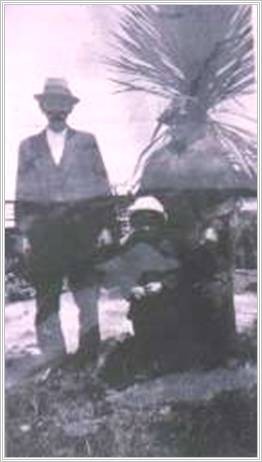
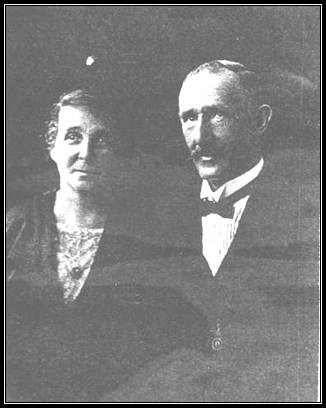
(e) Rosezena/Roseziana Polglase (there seems to have been various spellings of Rose’s name) born 1869, Diamond Hill, was 13 when the family settled in Creswick, so probably also had her education at home, and would either have been working as a domestic or helping her mother with the younger children. She married John (known as Jack) Wood in 1886, and like her mother had 13 children all born in Creswick. Sadly five died quite young.
1/ Rose Wood born 1888, married a miner John Tute (also known as Jack) , born 1886, died 1939. John was the son of James Tute a miner in Creswick, and Thomasina Polglase (Rosezena’s sister). Rose and John first from Rheumatoid Arthritis and was unable to work, Rose work in the Sanatorium Health Food Company, becoming forelady. Rose and Jack have two children.
[A] Esmond Tute born 21-3-1911 worked in the aircraft factory at Fishermen’s Bend in Melbourne . He married Mildred, they have five children; Glenys is a school teacher, married ??; Helen is a nurse, not married; Alwyn works in a bank and is not married; Heather is a school teacher, lives west of the city, is married to Bill an electrician who does contract work, they have two girls; Graham works for the government, is married to Veronica they have ??
B/Alwyn Tute born 17-5-1913 started her education at Richmond Primary school and when at the age of 11 the family moved to Box Hill, Alwyn attended Box Hill Girls Technical School for two years, leaving at age 13 She went to work with her mother at the health food company. Alwyn married Charles Pascoe he was born 19-4-1907, they had three children, one son David only lived for a few days, the other two children are:-
1/ Brian Pascoe born 11-4-1944 is a chemical engineer, married to Gwen Punt who was born 6-5-1942, they have three children, 1/ John Pascoe born 15-1-1970, married 1/ Shari Vegg, they have Jason Pascoe born 24-7-1993 and Mikayla Pascoe born 29-6-1996; John married secondly Tania Grady
2/ Donna Pascoe born 1-2-1972
3/ Leon Pascoe born about 1974
2/ Pamela Pascoe born 24-10-1948 married Stan Punt (brother of Gwen) there are no children in this family.
Charles and Alwyn live in a unit at Corunala Retirement village in Nunawading After Jack died Rose lived with Charles and Alwyn until after their two children were born, then she moved into the Corunala Retirement village, and later into their hospital where she died.
(This information supplied by Alwyn Tute who is 90 years young,
From the Family Album
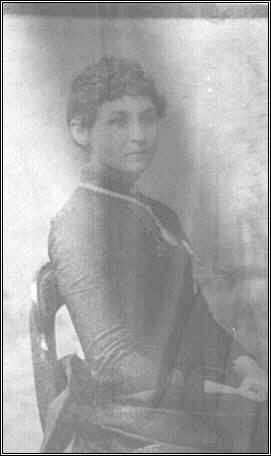
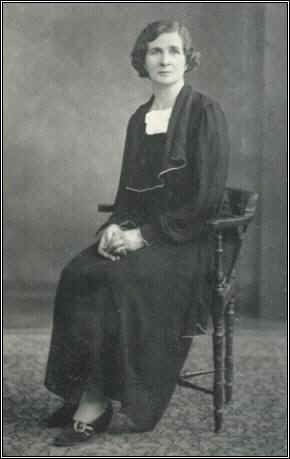
2/ Dolly Wood born 1890, d. 1890 1 day old.
3/ Queenie Wood born 1891, d. 1891.
4/ John Gordon Wood born 1892 married 1915 Alice Millicent Annand, two children born at Geelong Audrey Alice; Clarence Gordon
5/ Mary Ann Wood born 1894 died 1894
6/ Violet May Wood born 1895 died 1910
7/ Jessie Wood born 1895 in Creswick, married Sydney Greaves Watson , son of Henry Greaves Watson from Yorkshire , England , where he was educated as a Lawyer. Henry arrived in Portland on the 9-4-1853 aboard the ship ‘Eliza’, after leaving Plymouth on the 30-11-1852. He seems to have been an adventurous and enterprising man as he spent five months on the diggings at Bendigo . Mt. Karong near Castlemaine and Fryers Creek. He returned to Melbourne for a short time, then went to N.S.W. for 7 years, he also spent some time in St. Australia . He went to Yambuk (Yambuck), near Port Fairy in 1863 and lived in the district for the rest of his life. He purchased a property on the Shaw River where he established a wool scouring plant.
For 8 or 9 years he had a Fellmongery there, he was also in the butchery business for 6 years. He married Sarah Jane Pettingill, daughter of John & Elizabeth Pettingill from Norfolk , England , who also arrived in Victoria with their five children, aboard the ‘Eliza’ in 1853. John was an agricultural worker. Sarah Jane was the youngest of the five children. Sara was the first mid-wife in the district of Yambuk, she and Sydney are believed to have had 11 ?/ children, but there are only four known at this stage they are Sydney Greaves; Walter; Molly and Margaret Jane.
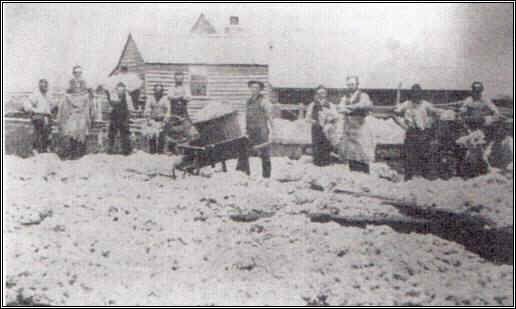
1/ Ruth Watson born 10-1-1906; died 17-21990 married Stanley Reuben Howard. they lived in Port fairy in later years. they have two children:
1/ Heather Howard married Jack Willoughby.
a/ Marilyn Willoughby.
b/ Howard Willoughby.
c/ Lawson Willoughby.
2/ Leonard Howard married Pam have one child.
2/ Myrtle Jean Watson born 23-1-1911 died 17-11-2002 married Harold Lemke. they have four boys:
a/ Dennis Lemke married Fay McDougall they have two children,
b/ Allen Lemke, not married;
c/ Kenneth Lemke, married Olga Peri, they have three children.
d/ Russel Lemke married Nicola chandler, they also have three children.
3/ Doris May Watson born 18-2-1912 married Melvin Henning. Doris married secondly Basil Searle. Doris and Melvin have four children:
a/ June Henning married Clive Pobke and has a family.
b/ Ian Henning married secondly the daughter of Dennis Searle.
c/ Leonard Henning married with a family.
d/ Graham Henning, married, no children. 4/ Clement greaves Watson born 2-3-1915 died 1996 married Dulcie Parametre:
a/ Phillip Watson.
b/ Joanna Watson.
c/ Francis Watson.
d/ David Watson.
5/ Llyod Watson born 3-1-1919 died 1954 married Nancy gale.
a/ Trinia Watson.
b/ Sharon Watson.
c/ Glen Watson.
6/ Lawrence Watson born 21-4-1922 died 1985.
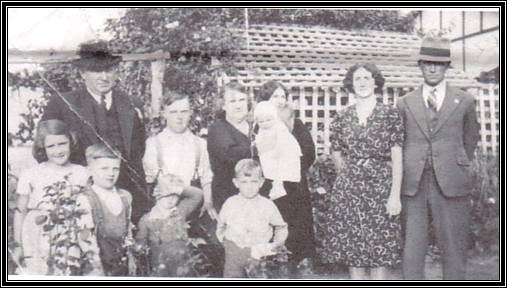
Back row, left:- Sydney Watson, Lawrence Watson, Jessie Watson, nee wood with baby Ken Lemke, Jean Lemke, nee Watson, Melvin Henning. Phot taken 1940 at Sydney Watson's farm.
(supplied by Dennis Lemke).
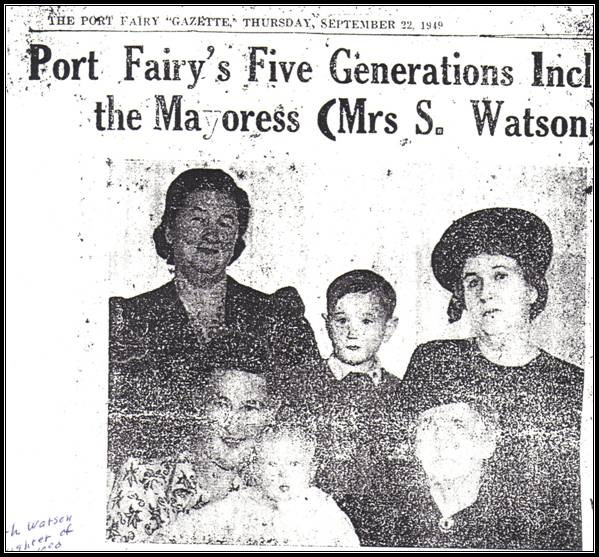
Front Row:-left: Mrs J. Willoughby with baby Willoughby (4th. & 5th. generations) and Mrs J Wood, nee Rose Polglase (1st. generation).
Back Row:- left Mrs. S Howard (3rd. generation) Howard Willoughby (5th. generation) and Mrs. S Watson
(4th. generation).
From the Port Fairy gazette 22-9-1949. Mrs J wood, mother of the Mayoress of Port fairy (Mrs J Watson). Celebrated her 80th. birthday on Friday last, and she was tendered a surprise party by her relatives of the five generations of which she is the first….
8/ Lavinia (Gladys) Irene Wood born 1897 married 1915 Ivor Sinclair Morrell; they have three children; Joyce born 1915 at Geelong ; Clifford Ivan born 1916 at Geelong ; Dolly Irene born 1917 at Geelong died 1918 at Mildura.
9/Beatrice Adeline Wood born 1899 married 1917 Leslie Martin, they have; Leslie George born 1917 at Ascot Vale; Vincent Wilfred born 1918 at Richmond
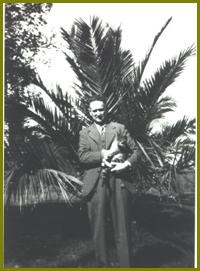
10/ Rupert Edmund Wood born 1902. in Creswick, died 1992, buried in Lilydale Cemetery . He was an Osteopath and dietician , who practiced in Collin Street , Melbourne , he married 10-6-1925 Dorothy Emma Cause, they had the following three children:-
1/ Daphne Wood born 2-3-1927 in Warburton, Victoria married Arthur Baulch they have two children; a/ Darryl John Baulch born 1-3-1955, not married b/ Glen Robert Baulch born 2-8-1958, married to Julie, they have three children—David, Paul & Belinda Baulch.
2/ Dorothy June Wood born 14-8-1929, Oakleigh married 17-3-1959 Ronald Leonard Craddock, they have four children—
a/ Barry Ronald Craddock born 3-6-1960 in Box Hill married 1893 Rhonda Fitzclarence in Maffra, they have two children Alysia born 1986 and Dean born 1989.
b/ Graeme Leonard Craddock born 29-11-1961 in Box Hill, not married.
c/ Roslyn Joy Craddock born 3-4-1964 Box Hill, married Trevor Martin in October 87 in Sherbrooke, they have Shannon Martin, born 19-8-1989, and Beau Martin born 24-6-1993. d/ Leanne June Craddock born 5-6-1966 in Box Hill, married David Wayne Power (descendant of John and Margaret Polglase) 8-2-1987 in Sherbrooke, they have; Chantelle Power born 20-5-1995 and Kylie Rhys David Power born 8-1-1998.
3/ Ivan Rupert Cawse Wood born 5-12-1931 in Oakleigh married Shirley Glenice Ball 1959 in Sydney, they have; Jenny Wood born 28-8-1962, not married, has Emily Rose Wood born Dec. 1998; Wendy Wood born 20-3-1967, not married. Rupert and Dorothy divorced in 1949; Rupert married secondly Marion Wilson, they have one son Robert Wood, they have four children, Adam and three others.
John Wood, Rosezena Wood, nee Polglase, and Rupert Wood.
(picture and history contributed by Leanne Powers).
11/ Enid Wood born 1906, died 1906
12/ Mable Ivy Wood
13/ Edward Clyde Wood born 1911
(f) Samuel Polglase born 1872, married 14-Jun-1898, in St. John's Church Cresswick., Mary Jane Wade , born 1878.
[1] Bertha Polglase born 1899, Cresswick. died 1899, Cresswick.
[2] Reginald Polglase born 1904, Cresswick.
[3] Walter Polglase born 1911, Cresswick
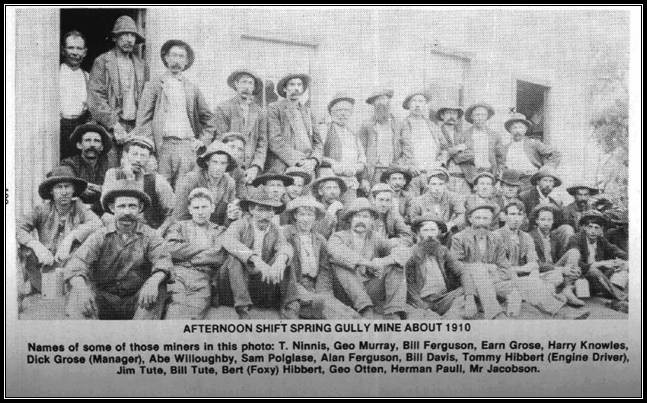
(g) Sarah Anne Polglase born 1873, Ballan., married 1893, James Wade . [1] Frederick Orris/Horace Wade born 1898 died 1899. [2] Albert Wade born 1894 [3] Percy Samuel Wade born 1896. [4] Leslie Wade born 1900 [5] Eric Arnold Wade born 1904 died 1905 [6] Sydney John Edward Wade born 1906 died 1906 [7] Ronald Wade born 1909. [8] Mable Wade born 1911 died 1913
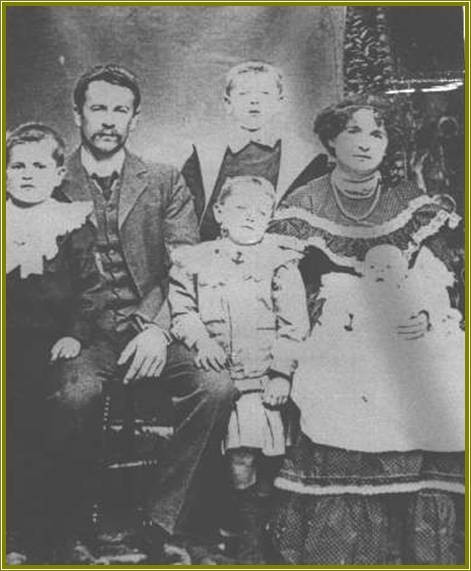
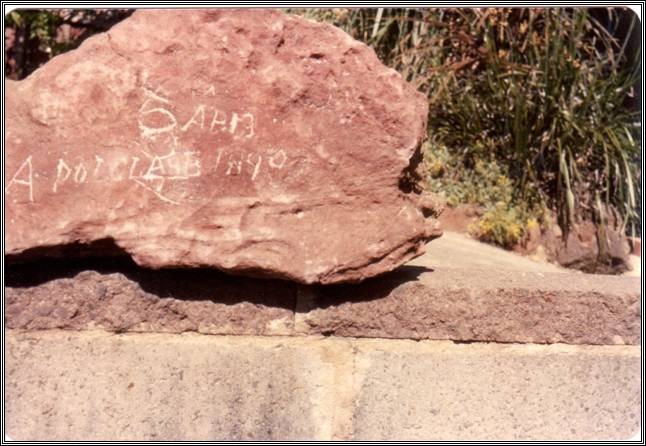
Sara A. Polglase scratched her name on this rock—probably at Castlemaine in 1890; it found its way to a nursery in Mooroolbark, in the 1980s and was Shown to Mrs Joyce Polglase, she was not allowed to have it but could photograph it, and gave me this copy!!
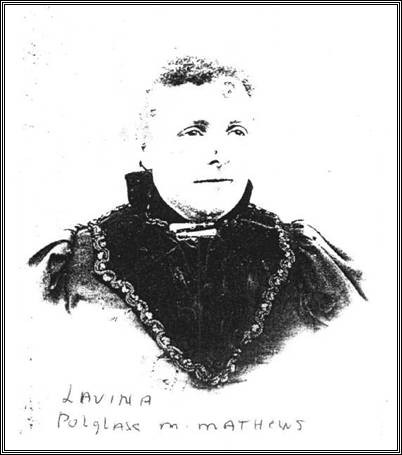
(h) Lavinia Polglase born 1875, married 21 -Oct-1893, in Registry Office, Ballarat, Abraham Mathews , born 1869, Bangalor, India., (son of Joseph Mathews and Ellen Cox ) occupation miner, died 1959. Abraham worked for a time in the coal mines at Wonthagi , Victoria . Lavinia died 4-Jan-1942, Reed Crescent < Wonthaggi, Vic, buried: 5-Jan-1942, Wonthaggi Cemetery
[1] Joseph Mathews born 1905, married Louise Chinnock .
[A] Rhonda Mathews .
[B] Dorothy Mathews .
[C] Reginald Mathews .
[D] Alan Mathews .
[E] VI Mathews .
[F] Joseph Mathews .
[G] Daphne Mathews .
[2] Rose Anne Mathews born 1906, married John Wilkinson .
[A] Mavis Wilkinson married Jack Cummings .
1. Jack Cummings .
2. Shirley Cummings .
3. Gloria Cummings .
[B] Raymond Wilkinson married June Hammond .
1. Peter Wilkinson .
2. Dennis Wilkinson .
3- Diedrie Wilkinson .
[C] Gladys Wilkinson married Tassie Lewis .
1. Tassie Lewis .
2. Judith Lewis .
3. Joy Lewis .
4. Dianne Lewis .
5--Dennis Lewis .
[3] William Mathews born abt.1908, married Emily Barry .
[A] Raymond Mathews .
[B] Douglas Mathews .
[C] Norma Mathews .
[4] Leslie Mathews born 1914, married. Ruby Smith .
[A] Thomas Mathews .
[B] Marion Mathews .
[5] Gladys Mathews born 1916, married Ernest Lee .
[A] Ernest Lee married Patricia Robertson .
1. Geoff Lee .
2. Glen Lee .
3. Brian Lee .
4. Trevor Lee .
[B] Roy Lee married. Lorraine Lee .
1. Christine Lee .
[C] Joyce Lee married Finlay Motherless .
1. Sharon Motherless .
2. Robin Motherless .
[6] Percy Mathews born 1918, married Lillian Atkinson .
[A] Lillian Mathews .
[B] Peter Mathews .
(i) Selina Polglase born 1877, Percydale., married 1899, William Jayne , born 1877, died 1963, Avondale, N.S.W, buried: 1963, Avondale, N.S.W. Selina died 1963, buried: Avondale Cemetery , N.S.W.
[1] Percy Arnold Jayne (adopted) born 1907, married 1930, Anne Johnson . Percy died 1997.
[A] Carmen Jayne born 1931, married John Bellamy .
1. Pamela Bellamy born 1951.
2. John Bellamy born 1954, married (1) Julie Coles , married (2) Gaye Levy . a. Angela Bellamy (daughter of John Bellamy and Julie Coles ). b. Anthony Bellamy (son of John Bellamy and Julie Coles ).
[B] Shirley Jayne born 1932, married Terry Delany .
1.-Leigh Delany . 2. Darren Delany .
[C] Edward Jayne born 1934, married Mary Wilson .
1.-Paul Jayne .
[D] Jennifer Jayne born 1936, married Gregory Grey .
[E] Yvonne Jayne born 1939, married Cornelious Hevvel .
[F] Jeanette Jayne born 1941.
Carmen Bellamy (nee Jayne) wrote a letter to Nina Sutherland in June 1996, the following extract comes from that letter. “ Thank you for your letter and photos…..you have listed the children of William and Thomasina Polglase. Our grandfather’s brother William, I have listed his first wife as Charlotte . He disappeared for 40 years, went to South Africa . I believe then unexpectedly turned up in Castlemaine at aunt Edie’s (Polglase) Ivy’s mother. He was believed dead. She didn’t know him but Ivy’s father heard voices and came from chopping wood in the back yard & recognized him immediately. He had a wife Ruby with him then. He lived in Griffith at the time and moved about 1946 to a little town near us & opened a bottle yard. His son Alfred (Alf) came and boarded with Mum & Dad for a year until he got a local apprenticeship as a motor mechanic. I believe they adopted him. He now lives in Cooranbang, basically an Adventist town about ten miles away. It has a huge Sanitarian Health Food factory & Australasian Missionary College which also trains teachers etc, gives degrees of University. Dad’s parents came to work there at first when they left Victoria in 1911. Granny & Grandad are buried in the Adventist Cemetery there. They were converted to that faith in Victoria , dad never kept it up as mum was Methodist, today I belong to the Uniting Church. Alf is jack’s age (67) & was groomsman at our wedding, but we really don’t want to know him, see him occasionally, he is a hopeless alcoholic, as I am a teetotaler I can’t understand him wasting his life. We helped them a lot when his four sons were little, fed & helped clothe them as he drank all his money & today has nothing. His wife died about 13 years ago. His son mark lives locally & is interested in Polglase history.
Thomas Polglase born 1879, Gordon, Vic., married 1900, Harriett (Ettie) Timms , born 1881, (daughter of George Timms and Sara Timms ) died 1942. Thomas died 1963, Fairfield , Melbourne .
[1] Irene May Polglase born 1902, married Tom Crouch . [A]-Dorothy Crouch .
[2] Esme Pearl Polglase born 1903, died 1904, Cresswick, buried: 1904, Cresswick.
3-Thomas Polglase born 1904, Cresswick, married. 4-Feb-1926, in Christ church, Warracknabeal, Victoria., Bella Sylvia Moysey , born abt. 1906, Warracknabeal, Vic., died 1999. Thomas died 27-Oct-1973.
[A] Raymond Polglase born 1927.
[B] Thomas Hartley Polglase born 6-Nov-1928, married Isobel Joyce Watts .
1. Sandra Kaye Polglase born 5-Dec-1950.
2. William Raymond Polglase born 9-Oct-1952.
3. Ricky Polglase born 1104-1956.
4. Leonie Polglase born 29-Sep-1957.
5. Dallas Polglase born 8-Jan-1961.
1. Marian lea Polglase born 27-May-1965.
[C] Sylvia Polglase born1932.
[4] Norman Polglase born 1920, (said to be son of Tom and Ettie, but thought to be son of Irene May) Cresswick, died 1985
Standing ---L-R; Tom Polglase Jrn, May Crouch-Polglase & Norman Polglase.
Sitting-- Tom Polglase Srn., & Ettie Timms-Polglase.
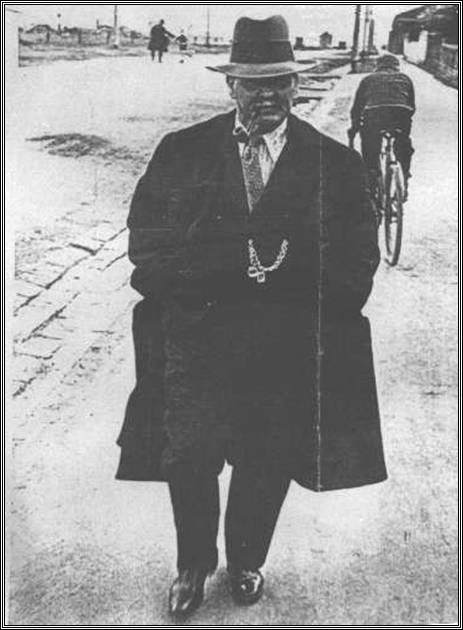
(k) William Alexander Polglase born 1881, Ballan., married (1) Charlotte Tomasini married (2) Ruby Bennett . Charlotte had a son William Leslie Tomasini born 10-5-1905, William Polglase married Charlotte in the Registry Office, Queen St. Melbourne on 27-9-1905. William Leslie died of Bronchial Pneumonia on 30-5-1905 after the birth of their second son, Leslie Cecil Polglase, in 1907, William simply disappeared one day and turned up forty years later with a new wife, Ruby and their adopted son, Alfred Polglase (birth name Drummond) , said he had been to South Africa !, but apparently he had been living in N.S.W. for some time as he and Ruby had two daughters who both died of T.B. William married Ruby Bennett in 1918 in Wollongong , N.S.W. Charlotte, believing William to be dead, married secondly William David Thompson with whom she had another three daughter, Dorothy Isabel & Muriel Edith both known as Polglase although the register records show father unknown, born 1911 & 1913 respectively and Hilda Victoria Thompson born 1914. It generally believed in the family that all three girls were the daughters of William Thompson who seems to have left the family in 1915 as he is said to have put the three young girls into the care of a friend, Margaret Maloney, saying they were not to go back to their mother.
William Thompson enlisted in the A.I.F. in June 1916 and was killed in France in 1917. The three girls were admitted to an orphanage 1917/18, (Girton College in Bendigo, corner of MacKenzie and Myrtle Streets) when the two younger girls were fostered to Margaret Maloney in May 1918, Dorothy was left in the orphanage (apparently because she had “something wrong” with her; perhaps she was autistic or down Syndrome) she died in the orphanage in 1933 age 22. Charlotte married thirdly John Richardson with whom she had another four children; her son Leslie had remained with her. Charlotte and John Richards had four children, Charlotte Evelyn, died 1916 age about 6 months, Ada Emaline born 1916, John born 1918 & Thelma May born 1919
Charlotte was the eldest of five children born to Margaret Hill Cottingham and Peter William Tomasini, Australian born son of Swiss emigrants, who had lived in a small town near the boarder of Italy and where the common language was Italian. Margaret Cottingham married secondly William Hunter McLean with whom she had Rubina Agnes McLean born 1891 in Walhalla. Margaret later had a boy and another girl to Amos Jackson.
The children of William Polglase and charlotte Tomasini are:- 1- Leslie William Polglase (Tomasini) (son of William Polglase and Charlotte Tomasini ) born 10 May 1905, Dow St. Castlemaine, Vic., died 30-May-1905, Dow St. Castlemaine, Vic., Cause of death; Bronchial Pneumonia.
II. Leslie Cecil Polglase; known as George (son of William Polglase and Charlotte Tomasini ) born 20 Sept. 1907, Bendigo , Vic., married 1927, Edith Gertrude Jackman , born 1904/5, (daughter of James Henry Jackman and Emily Jane Kimpton ). George was described by his daughter Joan as being a very quiet shy man, and also extremely proud of having bought a home in Noble Park for his family—no doubt life had not been easy in his younger days. George and Edith first moved to Carnegie where they rented a home, until George realized the great Australian dream of owning your own home !! Edith was the second of six children born to James Henry Jackman and Emily Jane Kimpton between 1901 and 1916, Edith left school and became a full time ‘mum’ to her siblings at the age of 16 when her mother died in 1920 at the age of 42. Edith had seven children of her own, and lived a long and happy life eventually passing away in 1997 at the age of 93.
Steve Runnalls writes; “ My grandfather George (Leslie) was in the army during WW2, he did time at Puckapunyal, but was mainly stationed at Alice Springs , I don’t think he saw overseas duty. His profession in later life was an “A-1 Mechanic” presumably a trade he learnt in the forces. When he was home during the war, in Bendigo , they had to cover the windows with black cardboard, and George dug a big trench in the back yard. It was defence measures in case the Japanese came flying over Bendigo . One night there was a great ruckus heard from down the street and all the kids rushed into their parents bedroom and huddled together there all night fearing it was the Japanese. No one seemed to consider hiding in the trench. Next morning they discovered it was a wedding celebration up the road. Interestingly both mum and auntie Marj both told me this story without any prompting, so it must have made a big impression on them.
George decided there would be better employment opportunities in the big smoke so he moved the family down to Carnegie around 1951. Around that time mum and dad were dating so the move could have been a problem. Fortunately love conquered all, Reg would come down from Bendigo on the train on weekends. Mum would walk from Grange Road to Caulfield station to meet him when the train arrived at 9 PM. I think nowadays there are a lot less young girls walking around on their own after dark. In 1954 mum and dad married so mum ended up back in Bendigo again where Reg had built their home (he was a carpenter)
Some time later George was able to procure a War Service Loan, which allowed him to buy a house in Noble Park, so the remaining family moved there; my aunt Marj still lives in that house. In Bendigo , my dad Reg decided similarly to George that there may be better opportunities in the city and also purchased a home in Noble Park , less than two Kilometres from Joan’s parents. They moved down around 1960 when I was four; I can still remember the day we moved, sitting in the back seat of dad’s Chevy waiting at the lights on Dandenong Rd. to turn into Corrigan Rd. where Sandown Racecourse is now. It is my earliest childhood memory. Sometime in the early 1960 George suffered a stroke which left him partially disabled. I think it was still a couple of years or more before he passed away ( in 1967 at Heidelberg , reg. No. 704) . In 1966 when I was 10; I never got to know him very well at all.” The birth registrations of this family was spelt POLGLAISE and they have retained that spelling. Leslie and Edith had seven children:- A. Leslie James Polglase/Polglaise born 1928, married Florence Myrtle James . Leslie died 30-Mar-1976. Leslie and Florence had five children:-
1/-Judy Polglaise born 16-2-1947is a school support officer, her interests are collecting teddy bears and her grandchildren, she married 19-4-1975 Del Hoffrichter born 3-1-1949who is a labourer, his interests are fishing and his grandchildren Judy and Del have three children, 1/Jillian born 9-9-1976 is a training and development officer with the Bendigo bank, 2/ Naomi born 22-11-1977 has two sons Brayden & Dylan McHarry born 5-12-1997 & 5-7-2000 respectively.; 3/ Geoffrey born 29-12-1980 is a tradesman (gas fitter) his interests are basketball, cars, martial arts and a special girl in his life.
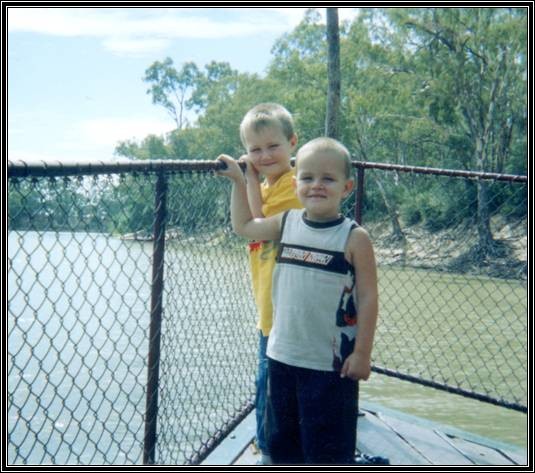
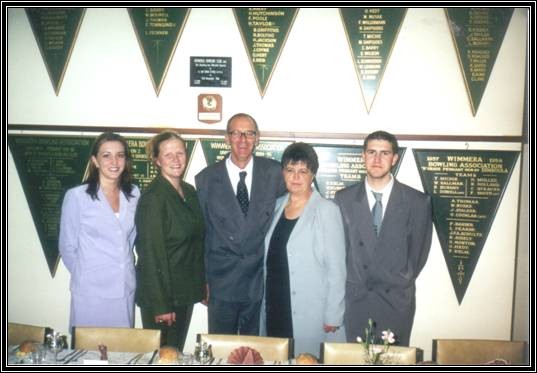
2. Noel Polglaise born 25-12-1948 married Sheryle------they have 5 children:-
a/ Wayne David Polglaise born Jan. 1970
b/ Kim Maree Polglaise born March 1971
c/ Glen James Polglaise born Sept. 1975.
d/ Tanya Joy Polglaise born March 1977.
e/ Noela Gaye Polglaise born April 1980. 3.-John Polglaise born 25-4-1950 is a panelbeater married to Heather Scott who was born on 6-2-1952 and is a clerical worker. John and heather do not have any children.
4. Frank Polglaise born abt. 1955 married about 1975 Barbara they have two daughters:-
1/ Skye Maree Polglaise (adopted) born 30-10-1980 lives with her partner Craig Osborn they have Oscar born 5-2-2005
2/ Ebony Jane Polglaise born 12-3-1986, Ebony is interested in caring for elderly people and is studying to obtain her certificate for that profession in 2005.
5. Pamela Polglaise born 27-5-1959 married 27-10-1979 Graeme Wright who was a builder (23-3-1959—10-2-1998) They have three children, Christopher born 12-5-1984 who is a builder, his special interest is cars, Emma & Bradley who are twins born 27-5-1986, they have just finished year 12, they both enjoy all sports; Bradley is starting a personal training course.
B. Marjorie Edith Polglaise born 1929, attended Violet State School and the Girl’s School in Bendigo; after finishing her schooling Marjorie worked in a Dry-Cleaner’s shop in Bendigo, and continued in that occupation in a shop in East Malvern after the family moved to Noble Park. Marjorie played tennis when she was younger and has always enjoyed craft work, she did not marry and still lives in the family home in Noble Park .
C. Joan Dorothy Polglaise born 16-Nov-1931, married Thomas Reginald (known as Reg) Runnalls , born 22-Jun-1931, Bendigo. Reg was a carpenter and handy-man He still enjoys fishing and gardening Joan and Reg have four children:-
1. Steven John Runnalls born 22-Sep-1956, Bendigo , Vic. Steve wrote his history.” I have been interested in horse racing since I was a teenager growing up within walking distance of Sandown racecourse. I worked for VRC (Victorian Racing Club) and RVL (Racing Victoria Ltd.) for 20 years as a computer programmer and systems analyst, and designed and wrote the first software in Australia to perform barrier draws electronically, and automated the publishing of the well known Truth racing form guide. I started working in the TAB building at the top of Queens Rd. near Albert Park Lake where the VRC and the Greyhounds and Harness boards were tenants, and when the TAB needed their floorspace to expand their pokies division, we moved to new offices beside Flemington racecourse, in the renovated old High School building in Epson Rd. I have owned and leased a number of horses over the years, winning races at Sandown, Caulfield, Bendigo , Donald, Warracknabeal, Terang, Traralgon, & Mornington. In fact I’ve only ever raced one horse that did not win a race for me and he was quite consistent and ran a few places, the best I could do at Flemington was a third, so I’ve been lucky compared to most horse owners. Having experienced racing as a punter, owner, and administrator, I hope one day to breed a horse of my own, as my main interest has always been in the pedigrees. If the Stud Book department was situated in Melbourne rather than Sydney I would certainly try to get a job with them. I enrolled at Monash University last Monday, so I'll be studying for my Diploma of Education, and hope to be a Maths and Computer teacher by this time next year. (2006) Exciting times, but it would be nice to be earning some money. Steve is not married—Yet ! (2205)
2. Jennifer Joan Runnalls born 13-May-1958, at Bendigo married Wayne Slater they have three children
3.-Gary James Runnalls born 8-Jun-1960 at Dandenong Gary is not married. (2005)
4-Gregory Thomas Runnalls born 30-Aug-1964 at Dandenong Greg is based in Cairns and is a Surface Technician (he lays new tennis courts) Greg is not married (2005)
D. Kevin George Polglaise born 6-2-1934 worked as a storeman for Repco. married June Ryan .
1.- Dianne Polglaise . moved to Adelaide , works in retail.
2.-Dale Polglaise . Is in retail. 3-Maree Polglaise . Is a Lecturer for Victoria University
E. Bruce Henry Polglaise born 25-8-1938, married Jeanette Gibson , (1946—1984) daughter of Alexander& Elizabeth Gibson and They have four children :-
1. Mark Polglaise born abt. 1962, died 2004 from an aneurism, Mark, like his uncle Steve, was interested in racing, he was a close friend of the curator at Sandown and raced horses with him, they had a win at Flemington once. Mark was an Electrician married Carolyn Roxby from Sydney and moved up there. They have three children:-
1/Dean Polglaise born 1994, 2/ Yvette Polglaise born 2000, 3/ Maxim Polglaise born 2003.
2. Darren Polglaise born 5-7- 1960 ? is not married works with Zurich Insurance.
3. Wayne Polglaise born about 1970 married Melinda Kirkup they have a daughter Brooke Polglaise born 2-9-1995, Wayne works with the Dandenong Shire.
4. Jason Polglaise born 6-10-1972 is not married and is a sales manager with Whirlpool.
F. Phyllis Joyce Polglaise born 6-3- 1941, married 30-1-1965 in Noble Park , Lyn Riddiford who was a plumber, with the railways. Phyllis and Lyn have three children:-
1. Raymond Riddiford . Ray was or is a police officer, is now in health services Ray married firstly Leanne Moore, they have Jacqueline born 27-6-1988 & Erin born 19-7-1990; he married secondly Karen Clarke they have Ryan born 5-12-1998, Luke born 3-5-2002, & Joel born in March 2004
2. Fiona Riddiford born 26-9-1968 is an intensive care nurse, she as a son Daniel Riddiford born 11-3- 1992.
3. Natalie Riddiford born 25-11-1971 is also an intensive care nurse married to Andrew Williams who is an investigating officer with the taxi service. Natalie and Andrew have Emily Jane born 5-4-2001, and Braedyn James born in 2002.
G. Ruth Polglaise born 3-7-1944, married Michael Burgess . Occupation butcher, they have five children:-
1. Tracey Burgess born 10-2-1964 married Paul Pickard who is an electrician, they have three children:- a/ Ashley Pickard born 3-10-1995; b/ Kirsten Pickard born 24-9-1997; c/ Dylan Pickard born 13-10-2001.
2. Kelly Burgess born 15-10-1967 at Springvale hospital married 15-11-1991 in Blackburn Craig Heath born 13-10-1965 in Prahran. Craig was in the army for a time then became an electrician, he is also a musician. Kelly has many interest and has travelled extensively. They have Joel Ashleiy Burgess Heath born 32-1-2003
3. Nicole Burgess . Born 5-1-1969 married in 1979 David Wickens who is a Spray Painter, Nicole has her own business making Pelmets; they two children 1/ Rheece Wickens born 13-11-1996 , 2/ Jake Wickens born 11-9-2000.
4.Glen Burgess born married Danielle they have three children:-
a/ Emma Burgess born 19-1-1992, b/ William Burgess born 4-2-1997, c/ Luke Burgess born 2000
5. Kylie Burgess born married Gregory Conlan born---they have two children
1/ Jessica born 4-1-2000 2/ Jack born 11-2-2002
William and Ruby Bennett- Polglase had three children:-
1/ Dulcie D. Polglase died 1913 in Cobar, N.S.W.
2/ Grace Polglase died 1928 in Dubbo, N.S.W.
3/. Alfred Polglase (adopted) born abt. 1929, married Robyn Beryne who had a son Peter Beryne Robyn and Alfred had three sons
A. Geoffrey Polglase born September 1957.
B. Mark Polglase . Born 31-1-1960 married 30-4-1987 Alice Buchanan born 22-3-1962 they have Justin Polglase born 5-5-1990; Kristy Polglase born 20-3-1992; and Natalie Polglase born 10-12-1994.
C. Ian Polglase born 23-12-1962
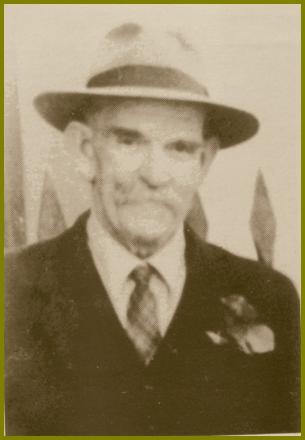
Edith Polglase born 1883, Cresswick, married 18-Apr-1900, Edward Brown , born 3 Nov-1876, Fryerstown, died 11-May-1965, Fryerstown, buried: 13-May-1965, Fryerstown. Edith and her husband lived in Fryerstown. Early in 1916 Edward moved to Costerfield, Heathcote, to work in the antimony mines. As Edith's father was very ill, she and the children stayed to care for him. After his death the family joined their father in Costerfield. In 1928 Edward and Edith returned to Fryerstown to live, George retuned at the end of 1930, with his brother Eric and their father, they bought a jet elevator, and began sluicing for gold Edward's grandfather, George Brown was born in London , of Scottish parents. He served in the British navy, and later in the Merchant Navy, and this brought him to Australia . In 1851 George Brown, Ship's mate, with the ship's Captain and four other crew members abandoned ship and arrived in Fryerstown in December 1851.
Edith and Edward have six children:- The six children of George and Edith Brown are--
[1] Edward William Brown born 10-Sep-1900, Fryerstown, died 15-Oct-1901, Fryerstown, buried: 17-Oct-1901, Fryerstown [2] Arthur John Brown born 21-Jul-1902, Fryerstown, died 3-Feb-1903, Fryerstown, buried: 5-Mar-1903, Fryerstown [3] Ivy Edith Brown born 3-Apr-1904, Fryerstown, married 1927, George Joseph Clark , born 5-Nov-1903, died 26-May-1985.
[A] Joyce Elaine Clark born 11-Jun-1927, married Robert McDowell
[B] Gwendoline Phyllis Clark born 29-Sep-1928, married. Donald Jones . Gwendoline died 23-Aug-1981, They have 1.Kaye Jones.
[C] Iris Jean Clark born 24-Jan-1931, died 16-Jun-1945.
[D] Edward George Clark born 30-Jan-1933, married Margaret Lockrey.
[E] Arthur Raymond Clark born 14-Apr-1936. [4]-George Oswald Brown b orn 20-Jun-1907, Fryerstown, married 25-Apr-1938, Bessie Mary Dennis , born 27-Nov-1917. George died 12-Feb-1991, Fryerstown, buried: 14-Feb-1991, Fryerstown. Bessie Brown has been extremely helpful to me in researching the family. The following extracts are from letters Bessie wrote in June, July &August of 2000; “The early home of Mary and Jim Tute was in Baird Street adjoining the block where Edith & Edward, as well as where George & I lived. There was nothing of the house remaining when we were married in 1938 but since then a new home has been erected. Uncle Jim Tute in his later years, lived with his daughter Lilian Taylor where the Wesley Hill shop is. He used to visit Edith & Ned every Sunday morning & was a real gentleman. He died on 6th. Dec. 1938, two days after my son Edwin was born.”. …Like most of the Polglases she (Rose) was bad tempered. Uncle tom was more easy going. I remember at one time, he visited Edith and didn’t tell her he was coming, she never spoke to him for several days. He used to come up and stay regularly after Auntie Etty died and he retired from the Footscray City Council where he worked in the parks & gardens. I believe Aunt Selina was nearly as bad & Arnold would throw the saucepan of food up the yard if his wife May’s cooking didn’t suit him. They were all Seventh day Adventists & didn’t eat meat. “
[A] Edwin Thomas Brown born 4-Dec-1938, Fryerstown, married 13-Dec-1969, in Townsville, Queensland., Diane Alice Riddell .
[B] Evelyn Francis Brown born. 11-Sep-1942, Fryerstown, m. 20-Dec-1971, in Melbourne , divorced, Michael Foster .
[C] Heather Mae Brown born 21-Nov-1952, Fryerstown, married 25-Aug-1973, in Wesley Hill, Castlemaine, Trevor William Shill .
1. Renee Eleanor Shill born 11-Jan-1978, Castlemaine. 2. Gene Mathew Shill born 4-Feb-1980,Castlemaine
5/ Eric Ray Brown born 28-Feb. 1913, Fryerstown, married (1) 21-Sep-1940, in Castlemaine, Mary Sturgess , married (2) Ann Drummond , born. Perth , Scotland., died. 13-Aug-1993, Ballarat.
[A] Kevin Douglas Brown (son of Eric Roy Brown and Mary Sturgess ) occupation Fireman, married 11-Oct-1969, in Dandenong, June Stevenson .
1. Allison Brown .
2. Ross Brown .
[6] Alan Raymond Brown born 8-May-1924, Fryerstown, married 15-Feb-1943, in Kerang. Vic., Esther Rose Parametre .
[A] Alan Robert Brown .
[B] Valerie Lorraine Brown .
[C] Trevor Brown .
[D] Ralda Dorothy Brown .
[E] Beryl Edith Brown .
From the Family Album
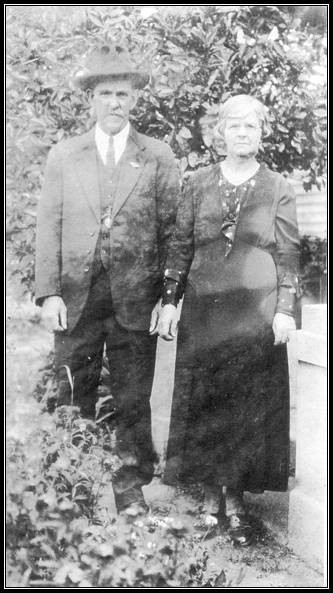
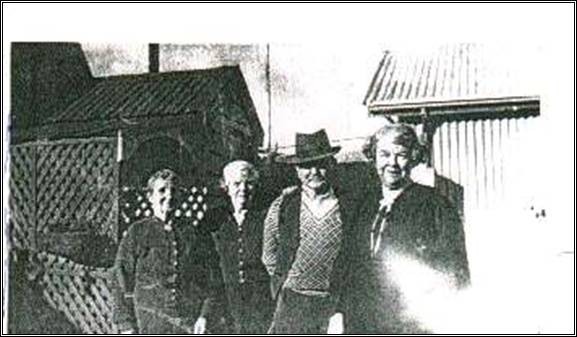
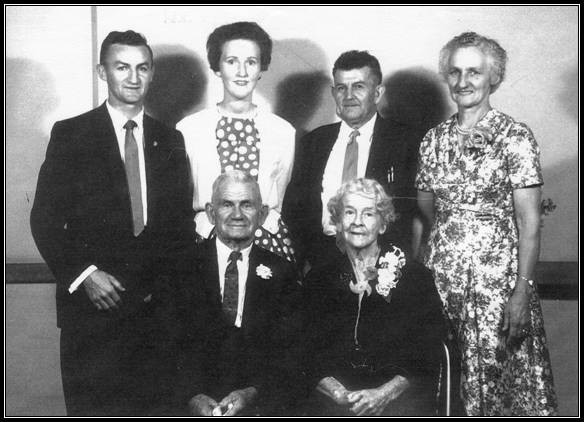
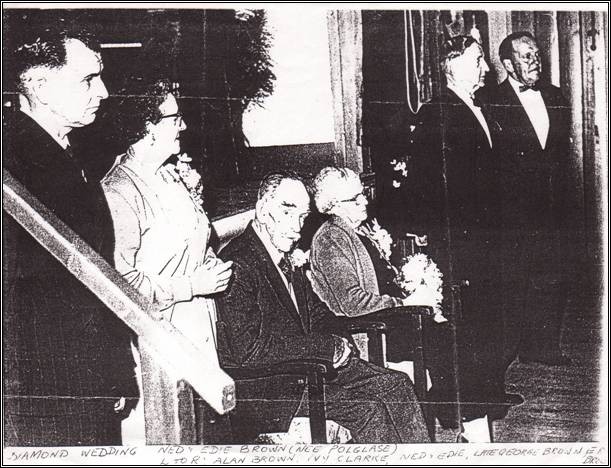
Emma Polglase born 1887, Cresswick, married 14-Aug-1909, Henry William Scholes , born. 1880, Sebastopol., (son of Robert Scholes and Ellen Earn ) occupation Miner. Emma died 28-Nov-1914, Austin Hospital , Heidelberg , buried: 1-Dec-1914, Coburg Cemetery . Cause of death Pulmonary Tuberculosis, Asthenia
[1] Arnold Scholes born 1907. Arnold was adopted by his mother's sister Selina and her husband William James, who were Childless. Arnold was always known as Arnold James.
[2] Maisie Ada Scholes born 1911, Cresswick, died 1911 1mth., Ballarat., buried: 19-Apr-1911, Ballarat. Wes.D,Section27.,Location 9.
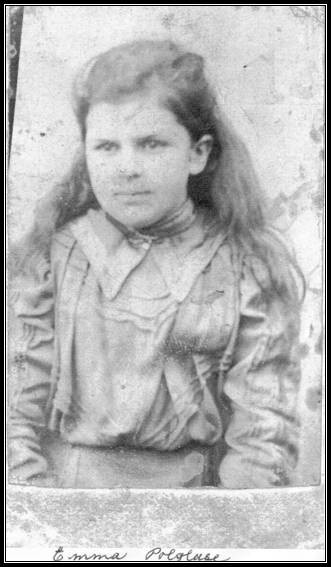
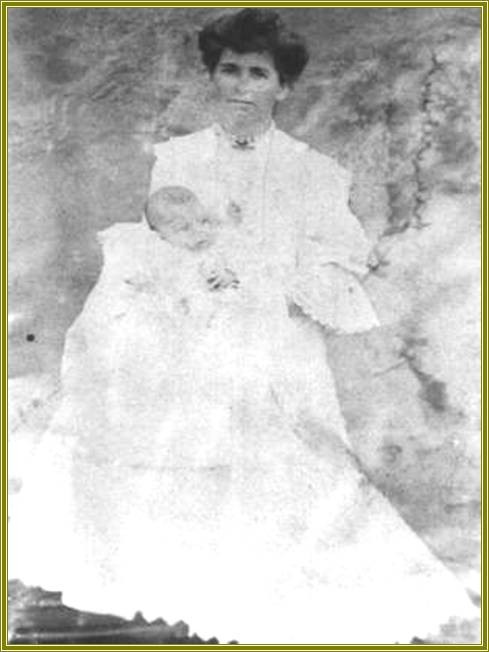
This completes our branch of the Polglase Family Tree. last updated 30-3--2010
My Home Page Wells Family Stories. The Laudehr Family The Kelly Family
Cornwall and Breage: an earlier version of the early history
An earlier, longer draft of the opening chapters, kept because it includes material on Cornwall and Breage that the later version leaves out.
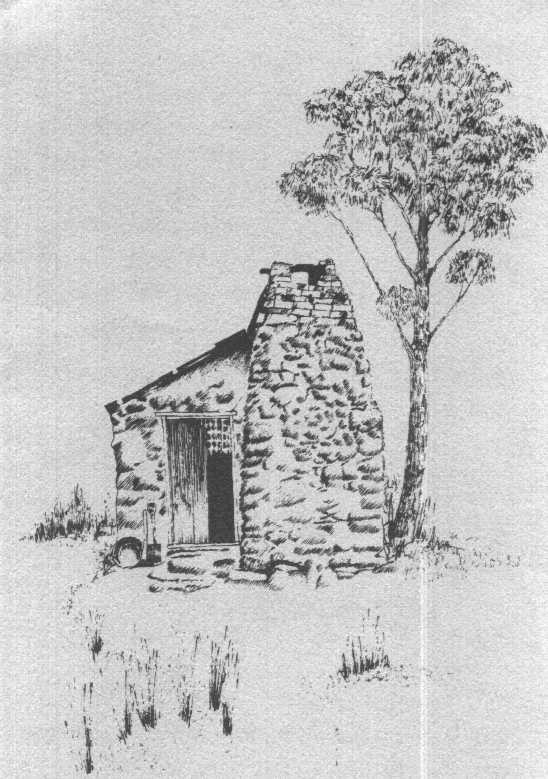
Part 2
The Polglase family had lived in a the small village of Breage in Cornwall for over 300 years before our branch of the family migrated to Australia in 1864.
So lets take a look at where our ancestors came from. To the Cornishman who knows anything of the light in which his country was formerly regarded by those who dwelt outside it's borders, the present renown of the 'Delectable Duchy' still provides cause for surprise, and amusement, so great is the change of attitude towards it on the part of his English neighbours. For Cornwall itself, to all intents and purposes , is still the self-same land, which was known to the writers of old, it's coastline just as stern and rugged, it's climate not appreciably changed though now being advertised as 'Britains Riviera'. Today, no less than in the past, Atlantic gales still buffet it's cold, cruel line of cliffs for weeks on end, whilst hill and moorland lie soaked and hidden beneath the cloud and driving rain.
Cornwall wrote Andrew Borde in 1542, "Is a pore and very barren coutnrey of al, maner things, except Tyn and Fyshe," (Introduction to Knowledge) whilst even a native poet was fain to write:
O Cornwall ! wretched spot of barren ground, Where hardly ought but rock and furze is found, Thy produce scarce provides thy sons with bread, Nor finds them wood for coffins when they're dead.
(CF. Cornish Notes and Quiers, 1906, 310)
Into that old Cornwall wherein wheeled traffic was unknown and the lives of rich and poor alike lay untouched by any outside influences, there came the figue of John Wesley, whose influence in the conversion of the people to Methodism marks one of the chief milestones in Cornish history. (Cornwall and it's People, by A.K. Hamilton Jenkins.)
A few extracts from Jenkins book, Cornwall and it's people.
'The villages owe their origin not to any communal spirit, nor to the love of human fellowship and society. Economic necessity, such as the development of mining, clay working, or quarrying, call them into being.
Most of the inhabitants of Cornwall, in the past at any rate, lived neither in church town or in village, but in lonely farms and scattered cottages, the latter dumped where and anyhow --in odd corners of the roadside, on rocky ledges above fishing coves, or amidst the shafts, 'burrows', and debris of the mines. '
From R. K. Johns, in 'Cornish Mining Heritage, we read: 'The recovery of tin in Cornwall dates from the Bronze Age and 'tinners' were at work before 2000 BC. The tin trade was maintained by the Celts in the Iron age and there has been more or less continuous production from the region since that time.
In the era of tin mining the landscape looked something like planet Mars with piles of mullock all over the dug up valleys and hills.
The parish of Breage and the adjoining parish of Germoe are dominated by granite masses of Tregonning and the Godolphin Hills where Bronze-Age man exploited the extensive tin deposits, beginning an industry that would mould the landscape and people for thousands of years to come. Around AD 1100 the Godolphin family emerged as the dominate local family acquiring much of the parish lands and fostering a community of highly independent tinners. Such was the wealth accrued that by the 1860s. Sydney Godolphin held the highest rank in the country, that of Lord High treasurer" (source; 'The Book of Breage & Germoe; by Stephen Polglase).
Breage today is a very quiet village with a small development of modern bungalows. Many of the older mine houses and cottages have been bought and modernised by sailors and airmen from the nearby naval air station called Culdrone. the village has a post office, village stores and a small hair-dresser. there are still a few working farms in the area and there is a little fishing but no other work now that mining is finished. tourism is their main source of income.
The Queens Arms, is the only pub in the village now and dates from the 14th. century. It has a vast collection of decorative plates hung on every beam throughout the bars and restaurant. Older villagers recall with pleasure the days when Breage was busy and bustling with miners coming to collect their wages and staying to spend them in the many and varied shops the village then possessed. there were also three inns, very well used on pay day.
Ponies and traps called 'jousters' supplied the village regularly with fresh food, including one which came regularly from Porthleven bringing fish straight from the fishing boats. When the driver called 'fresh herring and fresh mackerel', it really was fresh'. (source; compiled by The federation of women's Institute; first published 1991).
Our family have been in many parts of Cornwall for many centuries. John and his wife Mary Hosking both came from the village of Breage, John's ancestors had lived there from the 1500s. 'The name Breage, (pronounced to rhyme with vague, if you live outside the village, but for those who live in the village the pronunciation rhymes with breeze), was named after a saint called Breaca.
A Little English History
Some of the records below can not be positively documented as some documents are simply not available for many reasons, such as lose through fire and damage etc. One main reason though is what is called 'The Commonwealth Gap'; I think it should also be called The Generation gap'!
In 1640 civil war broke out in England with the Royalist on one hand fighting to save King Charles 1st. and the Parliamentarians (Round Heads) fighting to remove the monarchy, making a Republic possible for the first time. The Round Heads were led by Oliver Cromwell, a Puritan. Many bloody battles followed. which resulted in Oliver Cromwell taking the crown of Charles 1st.--and his head with it in 1649.
There followed the Act to Abolish the Office of King 17-3-1649; Abolish the House of Lords 19-3-1649. Cromwell then ruled England and abolished the monarchy. England declared a Commonwealth (Republic) 19-5-1649, for the next 20 + years.
A Parliamentary ordinance had declared Bishops, Deans and Chaplains abolished. Prior to this Deans would send annual records of Baptisms, Deaths and Marriages to the Bishop. These were known as 'The Bishops Transcripts', where they have survived they are very useful to family historians.
At first the Commonwealth churchmen were obliged to have Baptisms administered in their own homes, and by an edict of November 1655 even this was made a crime. Marriages from 1649--1660 were forbidden in church. In 1653 the Commonwealth government decreed the responsibility for the keeping of records of births deaths and marriages should be transferred to a local registrar, who would charge four-pence for a Baptism and one shilling for a Marriage. If one could not afford the cost the event was not registered.
From 1654 the actual marriage formalities, however were conducted by a Justice of the Peace (JP) and treated as a civil ceremony. Banns were called in the market place and the marriage celebrated at the JP's residence. In fact very few birth and marriage records are available for this period known as the Commonwealth Gap. (source, Cornwall Bishop's Transcript).
The Cornwall Bishop's Transcripts have no records at all from 1651--1670. This makes recording families for that time a bit of guess work, you find a marriage in the 1680s. and guess they were born in the 1660s This will be particularly evident in the fourth generation listed below.
Cromwell died in September 1658, Phillip Skipton took over leadership in 1659, but in 1660 Charles 2nd. was brought back from France and crowned King of England, but this time on the people's term, as a figure head only.
The early 18th. century saw the death of William 3rd. Queen Ann succeeded to the throne. About this time the shops of London, which had previously been little more than street stalls and markets, became gaily decorated with glass windows in which to display their pretty trifles. Now selling new-fangled luxuries which appeared to the renowned historian, Daniel Defoe, as signs of degeneracy and impending ruin. He complained in 1713, "coffee, tea and chocolate are now becoming the capital branches of this nation's commerce" !! (editor's note--some things never change)
The middle of the century brought a wave of evangelistic preaching, in strong contrast to the staid sermons of the established Church of England. The 'One Nation One Faith' policy of Queen Elizabeth a hundred years earlier, was being severely challenged. This led to much religious persecution in England of 'non-conformists' churches, that was anything other than C of E. It was one reason for early emigration.
Our Polglase Ancestors
Taken from the International Genealogical Index (I.G.I.), Census Records, and Bishops Transcripts. As stated above the Bishop's Transcripts are baptism dates, so as a general rule most of the first dates are baptismal dates, not birth dates.
First Generation:
Alexander Polglase bapt. about 1564, married 27-11-1584, Margaret Lowry Known children of Alexander and Margaret Polglase
1/Alexander bapt. abt. 1585, married Eleanor Willyams (Williams)
2/ Richard b. Breage abt. 1586
3/ William b. Breage abt. 1590
4/ Thomas b. Breage 25-10-1597
Second Generation:
Known children of Alexander and Eleanor Polglase
1/ Phillippus (Phillip) b. 20-6-1608, married Margaret Ponsow
2/ Eleanor b. 6-4-1610, Breage
3/ Ralph b.4-11-1611 Breage
Third Generation:
Known children of Phillip and Margaret Polglase
1/ Thomas b. 31-8-1634 Breage, married 31-10-1687 Prudence Trounce at Breage.
2/ Willimus (William) b. 7-2-1638, married abt. 1659 Mary
3/ John b. 29-10-1641
4/ Henri b. 14-10-1645, Breage married Mary Trounce, 30-4-1681, Breage
Fourth Generation:
Known children of William and Mary Polglase
1/ Henry b. abt. 1658, married 30-4-1681 Mary Truce
2/ John b. abt. 1660, married abt. 1680 Elizabeth Symons
3/ William b. abt. 1662, married 30-10-1682 Mary Symons, (School Teacher)
4/ Prudence b. abt 1668, married 19-11-1688 John Thomas, their daughter Elizabeth Thomas married Thomas Polglase.
Fifth Generation:
Known children of William and Mary Polglase
1/ William b. 13-1-1684, married 4-8-1705 Ann Tyack
2/ Mary b. 1688, married 16-10-1708 Henry Polglase
3/John b. 23-3-1694, married 22-12-1718 Alice Thomas Alexander b. 3-3-1688, married Elizabeth Stephens 11-8-1715 ?
Sixth Generation:
Known children of John and Alice Polglase
1/ John b. 26-12-1719
2/ Joseph b. 15-4-1723
3/ Sampson b. 14-1-1728, married 20-10-1764 Margaret Polglase, bapt. 28-12-1737, who was his cousin, daughter of Alexander Polglase b. 5-3-1688/9 and Elizabeth Stephens. Sampson and Margaret both signed the marriage certificate with their marks.
Seventh Generation:
Known children of Sampson and Margaret Polglase
1/ Prudence b. 26-12-1765
2/ Sampson b. 5-9-1771, married 29-10-1804 Catherine Richards (widow), nee Cornish. Sampson and Catherine were married by C. Trevanion Kempe, they both signed the certificate with their marks. Henry Carter and George Hebbard were witnesses to the marriage, they both signed their names on the certificate.
3/ Alice b. 7-7-1776 d. infant
4/ Alice b. 25-7-1780
5/ Alva b. 25-7-1780
Eighth Generation:
Children of Sampson and Catherine Polglase
1/ Alice bapt. 28-1-1806 died same year
2/ Alice b. 1-1-1807
3/ John b. 24-41808
4/ William b. 5-5-1810, married 1833 Mary Sorrell (Searl/e) William and Mary were married in a double wedding ceremony with Mary's sister Sarah Sorrell and James Kitto. The service was conducted by Curate, Horatio Todd; both brides and grooms signed the certificates with their marks. William and Mary's witnesses were Henry Williams and ?Mid Ki..(photo copy ineligible) James and Sarah's witnessed were Benjamin Polglase, (Probably son of Benjamin and Elizabeth Polglase, relationship not yet found), and Henry Williams who both signed their names to the certificates
5/ Maryanne b. 2-1-1814
6/ Samuel b. 30-7-1815
Ninth Generation:
Children of William and Mary Polglase as recorded on the 1851 Census:
1/ Frances bapt. 17-6-1833, age 18 Tin-Dresser, later married Mr. Jones and moved to New Zealand.
2/ William b. 8-8-1835
3/ Sarah Ann b. 26-12-1836 at Travena, age 15 Tin-Dresser
4/ John b. 4-1-1838, d 10-9-1838
5/ Isabella b. 1839, age 12 Tin-Dresser
6/ John b. 6-7-1841, age 10 Tin-Dresser, married 13-2-1861 Mary Hosking
7/ Thomas b. 1842, age 8 Tin-Dresser, emigrated to Sth Australia, March 1864, died 24-9-1866, result of a mining accident, Sandhurst, Victoria.
8/ Catherine b. 1844, age 6 Samuel b. 1849, age 2
In 1841 William was a Tin-Dresser living in Travina/Treevina with Mary and their four children and his sister Alice. In 1851 they are living in Tolmenor. William is now a farmer on 3 acres of land. His son William is not living with the family, now age 16 he is probably working and living away from home, or he may have died before 1851.
As we see that by the age of 8 the children are all working as Tin-Dresser; this occupation is at ground level of the mines. John's statement at the inquest on the death of his brother Tom, states that he had worked in the mines since the age of 11. John and Mary were married in the 14th. century Church of England in Breage, which is noted for the restoration of paintings on the walls. The ceremony was performed by Curate, Henry Stone; Carolyn Burges and Thomas Taylor were witnesses who signed their names on the certificate, as did Mary; John signed with his mark.
A point of interest in regard to their names,-- on his birth certificate John's surname is spelt POLGLASE, on the marriage certificate it is spelt POLGLAZE --so much for the sees not being related to the zees --it simply depends on who is writing it.
John and Mary
John Henry (Harry) Polglase
1841 Breage, Cornwall, England
1916, Fryerstown, Victoria, Australia.
On the 24th. March 1861, one month after they were married, John and Mary Polglase embarked on their future together in Australia aboard the sailing ship 'UTOPIA', sailing from Liverpool. The voyage would probably not have lived up to its name, as it was a slower voyage than average, but perhaps the name Utopia was a good omen for the newly weds.
The nominal passenger list records John & Mary had come from Gloucester and were going to friends in Adelaide. It also recorded John could read but not write and Mary could could both read and write, and that they were of the Wesleyan religion.
The ship arrived in Melbourne on the 25th. June 1861 ending a 93 day voyage, when the average length of time for the voyage was 75-80 days.
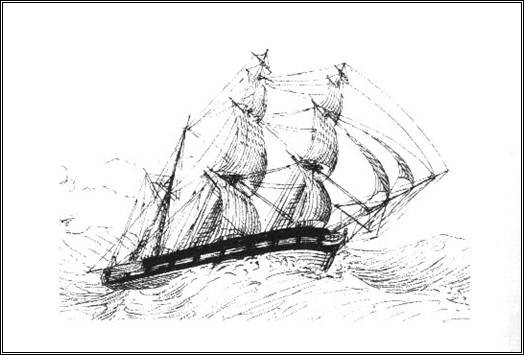
When the gold rush started in Australia in 1851 hundreds of people were clamouring to get to Australia as fast as possible. So instead of following roughly the forty degree line of latitude across the Indian Ocean from the Cape of Good Hope to Melbourne, as ships had done since the time of the early Dutch explorers, the new and more dangerous route known as the 'composite great circle', calculated by John Thomas Towson was adopted. As the shortest distance between any two points of the globe lies along the shortest arc of the great circle joining them. But the true great circle route linking Europe to Australia crosses part of the Antarctic continent, consequently a compromise had to be reached: masters were all directed to sail as close to the great circle as ice and the state of the ship allowed, as this reduced the average length of a voyage from Liverpool, from 120 days to 75-80. One ship did it in 68 days.
The new route meant passengers experienced extreme weather condition, they may swelter crossing the equator, sometimes waiting days for a suitable wind to get them moving; before the winds known as 'The Roaring 40.' blew them south to gales and storms of the Antarctic where many feared for their lives.
After arriving in Melbourne, John and Mary spent a month there, possibly with Mary's brother because they boarded the interstate colonial ship 'Balcluthia' on the 20th. July 1861 for Adelaide; also on board was 23 year old Mr. Hosking. Mary was by now pregnant, it is assumed they then went straight to the copper mines at Burra-Burra.
The district of Burra-Burra (the name Hindustani for Great-Great) was a thriving mining town since copper was discovered there in 1845; almost $10 million worth of copper was extracted before the mine closed in 1877. Along the creek some of the dugouts remain where more than 2,000 people lived during the boom period.
Burra nestled in Bald Hills Range 154 km north of Adelaide is now famous for it's sheep and serves as a market town for the surrounding farmland. (source: Explore Australia; BP)
By the time John and Mary arrived in Burra, the mining of copper had been established for about 10 years.
Burra began it's life as the mining township of Kooring, at that time the mining company provided cottages only for it's more skilled miners, mechanics, and mine officials, most ordinary miners found their own accommodation or lived rent free in the dug-outs in, not on, the bank of the creek. these inhabitants were often called 'the Creek dwellers'. Bert Polglase records that his grandparents lived in one of these dug-outs for a short time when they first arrived.
Relics of Hampton Township. c.1995
By 1851 Burra had become a collection of English towns with a population of 5,000. It was Australia's seventh largest inland centre prior to the discovery of gold in eastern Australia.
When their first son John Henry, also known as Harry, was born on 8th. Feb. 1862, John and Mary were living in one of the cottages in Hampton Village.
Life in Victoria
By 1864 John, Mary and little Harry had moved to the Victorian gold fields; probably travelling via the dirt track 'roads' with a horse and buggy and whatever household goods they had; this would have been an eventful and interesting journey.
1864 was an eventful year for John and Mary as on 28th. Feb. that year their second chid, Thomasina Mary was born and died the same day at Sandhurst, later known as Bendigo. It is situated 152 kilometres north west of Melbourne.
On the 7th. April that same year John's younger brother Thomas arrived aboard the ship, 'Ocean Chief' having left Plymouth 2nd. Jan. The ships passenger list records Thomas to have been of good behaviour !! It must have been an exciting time for all to catch up on the news of Cornwall and Australia.
In 1865 another daughter named Thomasina Mary was born at Castlemaine, situated 119 kilometres from Melbourne, along with Kyneton and Maldon epitomises the gold-mining towns of north western Victoria.
By 1866 6he family are back in Sandhurst, on Monday 24th. September 1866, tragedy again struck John and Mary. John was at work at the Dafoley Company in Long Gully at Sandhurst and Thomas at the Albania Company Claim on the Redaw Reef. About 6 weeks earlier Thomas, together with Richard Chappel, Richard Stevens and Henry Martin had taken out a contract to sink a shaft on the aforesaid claim to a depth of 200 feet, and also to timber it with timberings to be provided by the company. Everything had been going fine until about 4 PM that Monday afternoon. The shaft had been sunk and timbered40 feet from the surface, at that depth they commenced and sank for 60 feet more, having done this they timbered the shaft from the bottom upwards until they met the previous timberings, they had nearly completed their work. the shaft was 11 feet long from east to west and 5 feet 6 inches wide from north to south where it is not timbered, but where the accident happened it is timbered, there the shaft would measure 9 feet in length and 3 feet wide. Thomas was working with Henry Martin finishing the slabbing, they were in the usual way standing upon loose closely fitting slabs laid upon a string frame which rested upon the sets. Henry was putting in a slab on the western side with his back to Thomas who was slabbing up the eastern end. Henry first heard the noise of a slab and then a scream as Thomas fell down the shaft. Thomas suffered a fractured skull and died two days later in hospital.
Immediately after the accident one of Thomas's mates went and told John, who first went home and learned Thomas was in hospital so went there. (source: taken from evidence given at the inquest held at Sandhurst on the 27th. April 1866.)
To be continued 7-11- 2009
Thank you for visiting my page at Angelfire. Please come back and visit again!
The Polglase Family in England
Search: The Web Angelfire
Report Abuse « Previous | Top 100 | Next » share: del.icio.us | digg | reddit | furl | facebook
Polglase Family in Cornwall, U.K.
The Polglase family have been in many parts of Cornwall for many centuries. Our branch have been in Breage, since at least the 1500s.Breage is a township, parish and town, 3 miles west of Helston, in Cornwall. The name Breage (pronounced to rhyme with vague) was named after a saint called Breaca, who escaped persecution by the Irish and landed in Cornwall during 700 AD.
Tin mining was the main source of employment for the villagers until the last mine closed in the mid 1930's. The Polglase family were miners of tin for about 300 years, before emigrating to Australia, where they continued in the mining industries; copper mines in Sth. Aust., and on the gold fields in Victoria.
My research has been done using the I. G. I. records, also Bishops transcripts, and some through the records office at Truro, and I thanks them very much for their assistance. It is difficult to be certain of a particular line, and more difficult to obtain 'documented evidence'; however the following appears to be a possible continuous line. If anyone looking at this has any evidence of the accuracy or errors in any of the information below, or can add to it in any way please email me, I would love to hear from you.
Alexander Polglase B. about 1564, married 27/11/1584, Margaret Lowry.
Known children of Alexander and Margaret Polglase.
Alexander B.1585, married Eleanor Willyams (Williams); Thomas B. 25/10/1601.
Children of Alexander and Eleanor Polglase
Phillippus (Phillip) B.20/6/1608,married Margaret Ponsow; Eleanor B.6/4/1610; Ralph B. 4/11/1611
Children of Phillip and Margaret Polglase.
Thomas B.31/8/1634; Willimus (William) B.7/2/1638, married 1659 Mary; John B. 29/10/1641; Henri B. 14/10/1645.
Children of William and Mary Polglase
Henry B. abt.1658, married 30/4/1681 Mary Truce; John B. about 1660, married abt. 1680 Elizabeth Symonds; William B. abt 1662,maried 30/10/1682 Mary Symonds; Prudence B. Abt 1668, married 19/11/1688 John Thomas.
Children of William and Mary Polglase
William B. 13/1/1684, married 4/8/1705 Ann Tyack; Mary B. 1688, married 16/10/1708 Henry Polglase; John B. 23/3/1694, married 22/12/1718 Alice Thomas; Alexander B. 3/3/1688; Ann 2/5/1711.
Children of John and Alice Polglase.
John B. 26/12/1719; Joseph B. 15/4/1723; Sampson B. 14/1/1728, married 20/10/1764 Margaret Polglase.
Children of Sampson and Margaret Polglase.
Prudence B.26/12/1765; Sampson B.5/9/1771, married 29/10/1804 Catherine Richards (widow); Alice B. 7/7/17/76 D. Infant; Alice B. 25/7/1780;Alva B.25/7/1780.
Children Of Sampson and Catherine Polglase.
Alice B. 28/1/1806; Alice B. 1/1/1807; John B. 24/4/1808; William B.5/5/1810, married Mary Sorrell; Maryanne B.2/1/1814 Samuel B. 30/7/1815.
Children Of William and Mary Polglase.
Frances B.17/6/1833, married Mr. Jones and went to New Zealand; William B. 8/8/1835;Sara Ann B. 26/12/1836 at Travena; John B. 4/1/1838, D. 10/9/1838; Isabella B. 1839; John B. 6/7/1841, married 13/2/1861 Mary Hoskin, came to Australia; Thomas b. 1842,came to Sth. Australia, March 1864, D.24/9/1866, Sandhurst, Victoria, result of mining accident; Catherine B. 1844; William B. 1845; Samuel B.1849.
John and Mary Polglase left England in February 1861, arrived in Australia in June. Their History is continued on next page, click below.
Box Family in England Box Family in Australia Pickering Family in England Pickering Family in Australia Polglase Family in Australia Our Irish-Scotish Conections All you ever wanted to know about Cornwall
15 June, 2009
Site Sponsors
The Polglase Family in Australia
Search: The Web Angelfire
Report Abuse « Previous | Top 100 | Next » share: del.icio.us | digg | reddit | furl | facebook
John Polglase Born 3rd.July 1841. Breage, Cornwall, U.K.
Died 5th.March 1916. Fryerstown, Victoria, Australia.
John married Mary Hoskin in Breage on the 13th. February 1861, after spending a little time in Glouchester, they sailed for Australia aboard the ship 'Utopia', leaving Liverpool on the 20th.March, and arrived in Melbourne on the 25th. June. They spent three weeks in Melbourne, probably with Mary's brother and then they all went to South Australia aboard the ship 'Balclutha' 20th.july 1861.
Chidren of John and Mary Polglase
John Henry B. 8/2/1862, Burra Burra, Sth. Aust.,married 1/ Isabela Clarke, 2/ Amy Kelly,D. 4/6/1939 at Fryerstown, Victoria.; Thomasina Mary Born and Died 28/2/1864 Bendigo, Victoria.; Thomasina Mary B. 1865 Castlemaine, Victoria, maried Thomas Tute;Isabella B 1867 Sth. Melbourne; Rosezeena B. 16/9/1869 Nillumbik(Diamond Creek),married John Wood; Samuel B.27/12/1871 Collingwood, married Mary wade; Sarah Anne B. 1873 Ballan, Victoria; Lavinia B.21/8/1875, Amhurst, Victoria, married Abraham Matthews; Selina B. 1877 Percydale, Victoria,married William Jane; Thomas B. 1879 Gordon, Victoria, married Henrietta Timms; William B.1881 Ballan,married Thomasina; Edith B.1883 Cresswick, Victoria,married Edward Brown;Emma B. 1887 Cresswick, Victoria, married Henry Scholes D. 28/11/1919.
Next Generation
Children of John Henry and Mary Isabella Polglase.
John Percival B. 1887, married Hilda; Henry Robert B.23/11/1888 Cresswick, married Ada Louise Grace Player;Maud; Blanche; Leonard B. 1899, married Agnes; Gladys B. 1900 D. 1901;
Children of John Henry and Amy Polglase.
Herbert Leslie B. Feb. 1910, married Lilian Joyce Grey; Doris Louise B. 8/3/1908, married George Farmer; Edna Ada b. 16/6/1912,married Clarence Preston.
Children of Mary Thomasina Polglase and Thomas Tute.
James B 1886,married Rose Wood; John B.1887D. 1936:William B. 1889 creswick; Mary Thomasina B.1891 Fryerstown; Selina Florence B.1895 Fryerstown; Lilly Daphne B. 1896 fryerstown.
Children of Isabella Polglase 1867--1934.and Edward Isles 1863--1884
One child Emma b. Dec. 1884, married John Coverdale.
Children of Isabella Polglase and John Jeffery.
Stanley B. 1886,married Elsie Sanfead; Ann B.1887 D.1887 6mth. ; Laura B. 1888; D.1890 15mth. William B. 1891,married Nell; Myrtle May B. 1892,married Alfred Hiam; Hilda B. 1895 D. 1895 5mth.Edward B. 1896 D. 1897 11 mth. Steve b. 1989 D. 1898 7mth.; Vera B.1899, married robert anderson; Iris b. 1902 D. 1910 8ys.
All children buried in one grave at Cresswick Cemetery.
Children of Rosezenna Polgalase and John Wood
Rose B. 1893, married James Tute (cousin);Jessie B. 1895,married Sydney Watson; Rupert B. 1902, married Marion ?; Dolly B. 1890 D. 1890 1 day.; Enid B. 1906 D. 1906, 6 hrs.; Edward B. 1911 D. 1911, 11 weeks; Queenie B.1891 D. 1891, 3 days.
Children of Samuel and Mary Jane Polglase.
Bertha B. 1899 D. 1899, 8mth.; Reginald B. 1904 C'wick; Walter B. 1911, lived in Q'land.
Children of Sarah Polglase and John Wood.
Albert B. 1894; Percy B. 1896; Fredrick Orris B. 1897; Leslie B. 1900; Ernie B. 1904.
Children of Lavinia Polglase and Abraham Matthews
Joe B. 1905, married Louise Chinnock; Rose Anne B. 1906, married John Wilkinson; William B. 1910, married Emily Barry; Leslie B. 1914, married Ruby Smith; Gladys B. 1916, married Ernest Lee; Percy B. 1918, married Lillian Atkinson.
Children of Selina Polglase and William Jane. one child Percy Arnald B. 1907,(adopted from sister Emma Polglase) married Annie Johnson.
Children of Thomas and Henrietta(Ettie) Polglase
Irene May B. 1902,married Tom Crouch; Esme Pearl B. 1903 d. 1904C'wick Thomas B. 1904, married Bella Sylvia Moysey;Norman B. 1920 (adopted) Thi family lived in Fooscray.
Children of William and Thomasina Polglase
Leslie B. 1907; Dorothy B. 1911;
Children of Edith Polglase and Edward Brown.
Edward B. 1900 D. 1901; Arthur B. 1902 D. 1903 Ivy B. 1904, married George Clarke; George B. 1907, married Bessie ; Eric Roy B. 1913, married Mary sturgess; Alan B. 1924, married Esther Paramette.
Children of Emma Polglase and Henry Scholes
One child Maisie Adda B. 1911, Died in infancy, Emma died 28/11/1914.
From this point I will only record our immediate family that being, Henry Robert Polglase, second son of John Henry Polglase and Isabella Clarke.
Next Generation
Children of Henry Robert and Ada Louise Grace Polglase
John Henry B. 1914, married Doris Brown; Robert William B. 28/1/1931,marred Avis Box; Earnest Austin B. 1933, D. 1935.
Next Generation
Children of John Henry and Doris Polglase
Beverly B. 20/10/1940, married Kenneth Ford; Brian B.12/3/1942, married Cheryl. Shirley B. 30/11/1944, married Desmond. Keith B. 27/4/1946, married Judy Lorraine B.18/3/1948, married David Ramsdale.
Children of Robert William and Avis Polglase
Kenneth William B. 22/12/1955, D. 23/12 1955. Allan Robert B. 25/1/1958, married Maryanne Stienman. Reginald Mark B. 18/10/1961 Katrina Mary B. 27/9/1962, D.19/3/1970.
Children of Robert William and Patrica Polglase.
Only one child Shane B. July 1977.
Next generation
Children of Beverly Polglase and Kenneth Ford
Donna Marie B. 1961, married Wayne John Marc; Dale Anthony B. 1964, married jaqueline Parnis; Dean Andrew B. 1966, and Kim Michelle BradshAW; Danielle Lee B. 1968, married Shane Patric Laughlin.
Children of Brian and Cheryl Polglase
Belida B. 1964; Shelly B. 1967.
Children of Shirley Polgalse and Desmond
Darren B. 1966. Michelle B. 1968.
Children of Keith and Judy Polglase.
Tracey B. 1970, Natasha B. 1972.
Children of Lorraine polglase and David Ramsdale
Paul B. 1972. Marc B. 1975. Travis b. 1978.
Children of Allan Robert and Maryanne Polglase-Leigh
Kristel Katrina B. 30/8/1984. Tamara Stacey B. 15/2/1986.
25 June, 2001
Site Sponsors
Connected family: The Wells Story
The Wells Story.
Henry Wells born in September 1820, in the Parish of Potterne, Devizes, Wiltshire, England, to Richard Wells and his wife Martha, nee Cadby. Richard Wells (well-known as Dick Wells) was a coach driver. He frequently drove his coach across the Salisbury Plains in the days when highway men were not uncommon.
Henry Cadby Wells born in September 1820, in the Parish of Potterne, Devizes, Wiltshire, England, to Richard Wells, (who was well-known as Dick Wells in the coaching world as he drove the four-horse coach across Salisbury Plain when highwaymen were not uncommon); and his wife Martha, nee Cadby. Henry Cadby Wells was a boot-maker, he married Hanna Hill on the 9-9-1839. In December 1839 the young couple boarded the ship 'ADROMACHE' in Plymouth and sailed to Australia. When the ship was just off the Isle of St. Paul, during a raging storm, a daughter was born. The little girl was named Mary, but at the suggestion of captain she was nick-named Polly. Sadly Polly did not live very long and was buried at sea. the ship arrived in Melbourne on the 28-6-1840 after being becalmed off Port Phillip Bay for several days, (source; Bert Polglase's book)
All ships at that time had to anchor in Hobson's Bay off shore from Williamstown; the emigrants were taken by boat along the lower Yarra towards Melbourne. both banks of the river were then still densely covered with tea-tree and Wattle. At the township immigrants scrambled through mud, or as is recorded, 'grandfather had to carry his wife ashore through water waist-deep' to a landing bank on the north side, where warehouses, inns and stores were replacing earlier hovels along the west end of Flinders street. Slightly uphill from this flood proned area, Collins Street West had already developed into the main retail location, especially between Queen and King Streets. 'There were good shops with drugs, groceries, haberdashery, ironmongery; indeed each shop seemed to be quite an emporium', (wrote J.B.Were)
Henry and Hannah are believed to have made their way down to Frankston where they stayed for a short time This would require first crossing the river on a punt or a ferry as no bridge existed until the mid 1840s. They would then have travelled through virgin bush, either on horse back or perhaps with a horse and jinker or cart of some sort. They may have had some bullock tracks to follow, but we can be sure the track was slow and difficult. It probably took some days for the young couple, camping overnight along the way. One may wonder how many other travellers they might have met along the way, or did they only see Kangaroos, Wallabies, Dingoes and other wild life, as well as bird life and the Aborigines. No doubt there was also a large population of snakes.
They may have passed some of the 500,000 sheep and 15,000 cattle that were in Victoria by that time, the property of licensed squatters, (Old Melbourne Town; P. 8)
It is believed that after a short stay in Frankston, Henry and Hannah made their way down to Sorrento, they known as Point Nepean. They were blessed with another daughter, Mary Louise Wells, also nick-named 'Polly', born 7-6-1841 at Sorrento and Baptised in the Church of England, Parish of St. James on the 10-10-1841. Polly was the eldest of 13 children, having 12 brothers ! ! Polly is believed to have been the first white baby born to permanent settlers of the Mornington Peninsular.
Most of the following history comes from Robert Cadby Wells, published in the Frankston Standard, in 1951/52. He states his grandfather, Henry cadby wells went into partnership with ship mate Robert Rowley in the business of lime burning, "Robert Rowley and Richard Kenyon began the industry in Sorrento. the depresion of 1842/43 put most of these pioneers out of business. Gideon Lang's map of 1842, when he applied for leasehold of much vacant land on the Peninsular, showed none of the original names. By 1845 business had recovered and 17 kilns, each employing several men, hard at work burning lime between Rye and Portsea.
Robert also states his grandfather maintained an interest in the lime burning industry and travelled between Sorrento and Melbourne, staying at Frank stone's hotel after whom Frankston was named.
In 1846 the family moved to Melbourne where Henry worked at his trade of boot-making, he had learnt the art of tanning and dressing leather; riding boots were in great demand in those days; these were his speciality. He was there for some years, then sold the business and started a similar one in St. Kilda. After a few more years Henry was ready for another change, so he sold out again and had a go at Cray fishing. he bought an up-to-date boat and gear and with ship mate friend Rowley went down to Western Port Bay to catch crayfish. From a money point of view this venture exceeded all expectations. After being there for a few months they decided to go home for a few days, which they did but extended their stay to seven days. they had made the fatal mistake of leaving the boat anchored in the bay. the tide in this bay has a rise and fall of about 8 feet, and consequently when the tide ebbed the boat settled on the anchor, with the result that a hole was broken through the bottom. He sold the boat and gear for a few pounds and retired from the fishing business.
During this time the following births and baptisms are recorded in the Digger Pioneer Index, all sons of Henry and Hannah Wells; Henry born 1843 in Melbourne; denomination Catholic, Parish of St. Francis, Melb. died 1844; William Henry born 1845 in Melbourne den. C of E, Parish St James. Charles born 1846 in Melb. C of E Parish of St. James, Melb. later owned 121 acres opposite his father's in Robinson Road. John born 1848 in Collingwood, den. C of E Parish of St. Peters', Melb. drowned 1851 in Plenty River. Frank Richard born 1850, but not shown in the records, owned 20 acres at the corner of McMahons & Cranbourne Rds. It adjoined Dean's market garden.
Henry decided to try his hand at farming at Plenty River (Near Eltham); they were there on the 6th. February 1851 when the disastrous 'Black Thursday" bush fires raged from near Melbourne to Mt Gambia which almost wiped out the inland settlements of the colony only proclaimed one week earlier; taking an enormous toll on wild life, stock and property. Ashes from the fire fell on ship 80 kilometres out to sea. At least 10 people died as the temperature in the shade was 47 deg. Celsius at 11 AM. Sadly one of the deaths was Henry & Hannah's son John (known as jack), He drowned in the river. Henry managed to save his four remaining children by placing them in the centre of a potato patch wrapped in wet blankets. In Melb. a public meeting was held to call for subscriptions to relieve sufferers of the fire. smoke had scarcely cleared from the scene when exciting news of a different nature reached Melb. --gold had been discovered at Summerhill Creek near Bathurst N. S. W.
Henry and the family returned to Melb. where the following children were born, (source Pioneer Records)
Robert, predeceased his mother (source, mother's death certificate).
Septimus born 1853 in Sandridge (Sth Melb.) den. C of E St. James Melb. Septimus died 1855.
Octavus born 1856 in St. Kilda -1888/89 postal directory shows Octavus and Charles as contractors of Frankston.
Benjamin born 1858 in St. Kilda, inherited the 66 acres in Robinson Road. In 1859 Henry decided to rent a property at Mt Eliza which was later known as 'Ranelagh' and planted a vineyard, but apparently a lot of difficulties were uncounted and, so like the Cray fishing business the venture was short lived.
Decimus born 1861 at Frankston (Mt. Eliza)
Richard born 1864 in Frankston (Mt. Eliza) married Margaret Gallagher in St. Pauls' C of E on the 7-2-1889. this was the first wedding celebrated in the church, which had been constructed in the late 1888 or early 1889 by Robert Kelly (father of Polly's second husband, David Kelly) Richard and Margaret lived in Wells Street.
George Robert, pre-deceased his mother (source mother's death certificate) Henry C Wells also bought 66 acres on Robinson Road.
Henry also bought 4 or 5 acres of land on the corner of what is known as Pt Nepean Rd. (then known as Melbourne Rd.) and Wells street, in about 1860/64 In the same year they built a residence on the property and called it 'Devizes' after the town of his birth, and lived there for the rest of their lives. the commonwealth bank is now situated on this site, it has a memorial plaque on the door.
After settling in to their new home Henry bought 66 acres of land on the corner of Hastings and Robinson Rds. where he carried on farming pursuits. Cob & Co. wanted to run a stage coach to Hastings and the shortest route was through a portion of this property, an agreement was reached and Cobb & Co at their own expense erected a gate across part of the property with right of way and paid a nominal fee to the owner to permit the coach to go through.
The 1888/89 postal directory records Henry Wells, boot maker of Frankston. Hannah died on the 27-10-1896 and Henry on the 12 -12 1908, both are buried in a family grave just inside the main entrance of the Frankston Cemetery.
L-R; Charles Wells; Henry Cadby Wells (aged 88) grandson James Wells with g-grandson Alec.
Mary Louise (Polly) Wells, married 22-3-1860
George Laudehr.
After the death of George, Polly married David Kelly on the 7-12-1869
Some Descendants of the Wells families: Charles Wells, 1846 --16-7-1928 married Anne Cozens 1850 ---31-3-1937 both buried in Frankston Cemetery.
Charles owned the 121 acres opposite his father's property in Robinson Road. he carted, by bullock Wagon, piles for the Frankston pier, from Jane (a place near Mornington) to Frankston which at the time did a large trade in wood which was conveyed along the shore by trolley to the craft. when these ships returned with stores, men from the township, including Frank Wells Snr. & David Kelly, worked all night to get them away while the weather was fine.
1/ Henry Wells
2/ Nell Wells
3/ William Wells occupation Butcher, buried 1-5-1962 at Frankston cemetery.
4/ Arthur (South) Wells 1877 -- 22-6-1955 married 1908 Vivian May King died 5-2-1947 both buried at Frankston.
A/ Charles Arthur Wells 1912 --9-701998 buried at Frankston
B/ Ronald Joseph Wells 1914 -28-7-1944; died as result of an accident; buried at Frankston.
C/ Jack Wells died 24-4-1928 buried at Frankston.
5/ Alfred James Wells married 1904 Vivian Forrest Cheyne died Oct. 1946 & 26-4-1962 respectively, both buried at Frankston.
A/ Alec James Wells 1905 Doncaster, Victoria.
B/ Regual (South) Cheyne Wells 1910--1990 buried with Donald (North) Murray Wells. at Frankston.
C/ Vivian Forrest Ellen Wells 1912.
6/ Robert Cadby Wells 1875 --June 1964 married 1903 Florence Euphemia Petrie died Sept. 1957 both buried at Frankston.
A/ Jessica Alice Wells 1910 married 1/ J. Wicks, married 2/ Rob Sonnal. rob was a widower with two sons; Jessie was also a widow.
B/ Henry Wells died 1905
7/ Annie Wells
8/ Mable Helen Wells 1869 married Mr. Henry in about 1892 they had one son Rupert Henry 1899/1900, he was 10 months old when his father died. "Rupert grew to be a great credit to his mother, reaching the zenith of a brilliant career as manager of the British General Insurance Co. Ltd. ,Melbourne, and articles by him published in recognised Australian publications proved him to be a recognised authority on insurance throughout the Commonwealth. His untimely death at the age of 37 brought further sorrow to Mrs. Henry (source; Frankston Standard, Thursday august 2nd 1951, pages 1&2).
Some Descendants of Frank Wells:
Frank Wells 1850 --July 1938 married Sarah Kelly (daughter of Robert Kelly and Mary Ann Beattie-Rooney) died 1941, both buried at Frankston.
1/ Mary Ann Wells, abt 1873
2/ Martha Wells abt. 1875 married 1895, Alexander Nicholson. (Uncertain if this Martha Elizabeth Wells).
3/ Elizabeth Wells.
4/ Hannah Marie Wells married George William Walker, born abt. 1880
5/ Frank Henry Wells 1877 -1962, married Elizabeth Henderson, 1881 9-9-1935, both buried at Frankston. Frank was very active in community and civic affairs, he entered council in 1919 and never missed a meeting until 1931, when he received leave of absence for a trip to England. He drove the ambulance in Frankston during the war years. He was a devout Methodist, a member of the Rechabite Lodge and a member of the cemetery Trust., one of the founders of the Frankston Community Hospitable, a prominent Bowler, and a market gardener before his retirement.
Frank married secondly Olive. At the time of his death Frank was survived by his second wife, two daughters, Mrs alf Perry and Mrs Harry Gale, and a son Henry Wells. Frank lived on three corners of Cranbourne & McMahons Rds. and is buried in the cemetery of the fourth corner.
Elizabeth and Frank are both buried in grave No. 376, row L0006, section Presbyterian.
A/ Stella Christina Elizabeth Wells 1902, married Mr. Gale
B/ William Leslie Wells 1904
C/ Henry Robert Wells 1905 --1969
D/ Jessie Gertrude (Gertie) Wells 1908 --15-10-1976, married 1929 Alfred Albert Perry 1910
A/ Raymond Perry.
B/ Beverly June Perry 20-5-1936, married 1-3-1954 Murray Chadwick Johnson 16-2-1932
1/ Shane David Johnson 18-8-1957, married Amanda Basso they have two daughters; Rhiannaon Jess born 30-10-1986, and Alexis Amanda born 25-3-1989.
2/ Gary Anthony Johnson born 27-6-1959, married Norma van they have two children, 1/ Hayley Jade born 12-5-1994, 2/ Taylor born in 1997.
3/ Robert Murray Johnson born 23-7-1962 not married.
4/ Steven Kurt Johnson born 11-9-1972 married Melissa Ward, they have Emily born 29-12-1999 and Morgan born 2001 and Matilda born October 2004.
5/ Brett Jason Johnson born 18-8-1974, met Ann they have Chloe Samantha born 29 - 9- 1998 and Grace Ann born 22-7- 1998. This history contributed by Steven Kurt Johnson.
Frank Richard and Sarah Wells, nee Kelly (sister of David Kelly)
(courtesy of Frankston Standard, 1971) last updated 1-1-2010
My Family Links
My Home Page
Connected family: The Kelly Family
The Kelly Family
Polly Wells married secondly David Beattie Kelly born in Collinwood, Victoria, Australia in 1850; son of Robert Kelly and Mary Ann Beattie-Rooney who were married in Tyrone, Ireland in 1847. Mary Ann was a widow with two children; Mary Jane Rooney and Isaac Rooney born 1843. Robert and Mary Ann Kelly had a daughter, Ann Kelly born 1848 in Ireland, then migrated to Australia where the following children were born. David Beattie Kelly born 1850 in Collingwood; Sarah born 1852 in Newtown (Collingwood) married Frank Wells (brother of Polly); Maria born 1854, Collingwood; Catherine born 1856 died 1857, Collingwood; Robert Alexander born 1857 died 1911 ?Korumburra.
Mary Ann Kelly's father was David Beattie a farmer in Ireland, her mother was Mary Jardan. Mary Ann and Robert migrated to Australia at the height of the potato famine in Ireland, when between 1 & 2 million people emigrated and nearly as many died. Mary Ann lived to be 100 dying in 1915 in Hawthorn; Robert Kelly died 1905 in Prahran age 88, he was a retired building contractor.
Bert Polglase has recorded his grandfather's history, the following is an extract from his book; "David spent the first 10 years of his life in Collingwood, the family then moved to Harkaway in the Dandenong Ranges where he continued his education. after about 2 years at Harkaway the family moved to Frankston, which in those days was still a small fishing village, containing one general store run by Mr. T. C. Tonkin, and a few small houses and fisherman's huts. Mr Tonkin supplied most of the wants of the people from tea and sugar to patent medicines.....Being of a roving disposition, soon after moving to Frankston, David packed up his kit and left home. (editors Note _-Maybe the whole family moved back to Prahran where Robert and Mary Ann both died.)
David was next heard of in Gippsland doing general cartage work, and is credited with the distinction of being the first man to drive a Spring Cart from Frankston to Rosedale. In the Rosedale district he secured a bullock team, and ran the team between Bairnsdale and the Crooked River, and carted the first machinery for a Mr. Flintoff to the gold mines in that area.
Frankston must have held some attraction for him, for after several more years in the Gippsland area he returned to Frankston and took up farming and orcharding on a 100 acre property he purchased on Cranbourne Road opposite Ballam Park. He also purchased 91 acres of land in North road Langwarrin ....David married Mary Louise Wells-Laudehr on the 7- 12 - 1869; after their marriage they went to live on the farm in Cranbourne Rd. and reared a family of five; Amy, David Jnr.; Ethel, Herbert, and Sydney. (As well as Polly's three Laudehr children).
In the early 1900s the Kelly family moved from the farm to a new house they had built in Young St. Frankston on land they had purchased which ran from Playne St. to the Railway line, the new house was called 'Ethel villa', by the time the Kelly's moved into Frankston it was beginning to grow rapidly and David carried on a contracting business using horse and drays...."
David Kelly died 19-5-1936 aged 86, and Polly died 10 years previously 29-4-1926 at the home of her daughter Amy and son-in-law John Henry (Harry) Polglase, both are buried in the family grave at Frankston
In his book 'History of Frankston and Surrounding Areas', Roy Scott records "David Kelly owned the corner block of land where the Poultrymen and Farmers Trading Co. stood in 1929 and right down to Sherlock and Hays' timberyard. also David had his sawmill in the Junction Rail station, trucking timber for houses and using a steam engine for power. David Kelly had a good bullock team which he used for log haulage and milling work. last updated 1-1-2010 email
My Family Web sites
The Wells Family My Home Page
Connected family: The Laudehr Family
The Laudehr Family:
George Laudehr is believed to have been born in Hanover, Germany, about 1830.
The passenger list of the Danish ship 'Acmel' which arrived in Melbourne from Hamburg on the 6th. January 1855, has a "Fried: Heiner Laudehr', I was told the listing probably translated to; 'Farmer: Heiner Laudehr' age 25, possibly George. Alex Patience suggested the translation may be Fredrick Heiner Laundehr (the print out is not clear). If it was Fredrick Heiner Laudehr also known as George, this may be a family trait carried on in the next generation as shown below, where George's two sons are known by names that bear no resemblance to their given names. George married Mary (Polly) Wells in 1860. On the marriage certificate George names his parents as Jorgen Laudehr and Mary Juzen (Gutzen); (marriage certificate No. 118) George lists his occupation as a gardener, and states he was 27 years old; he may in fact have been 30, putting his age down by 3 years. Polly stated she was 22 years old, although the fact is she was 2 weeks under 19; putting her age up three years.
George and Polly settled down in Frankston where George worked as a fisherman, and carrier with a bullock team. They had three children:
1/ George Frankston (commonly known as Jack)
2/ Henry Jurgen (Gergon) (commonly known as Bob)
3/ Hannah Martha Matilda. George was found dead in his fishing boat on Port Phillip Bay on the 14-3-1867; he was buried in the Frankston Cemetery by his father-in-law, Henry Cadby Wells on the 16-3- 1867 after an inquest held on the 15th. Jack was just 6 years old, Bob 4 and Hannah 7 months when their father died.
George Frankston Laudehr. (commonly known as Jack Lauder) Jack married Mary Styles (4-9-1864----6-8-1948), together they travelled over seas and visited his father's brother and family in Germany.
In April 1914 Jack and Mary took a trip to Europe aboard the ship S. S. 'Orama' It proved to be an eventful trip as while visiting his father's relatives in Germany, they got caught up in the movement of troops of the 1st. world war. Jack wrote of their experience to his sister-in-law; Mrs P. w. Pederson of Dennison; it was printed in 'The Gippsland Times' on Monday, 9th November 1914.
"We left England on our way home on the 20th. July. By way of Holland, and arrived at Flushing at daylight on the 21st. We went on to the Hague and stopped there that day --had a look over all the places of interest including the Royal Palace. The Hague Peace Palace, built at a cost of over £2,000,000 sterling by the American millionaire, Mr Carnegie. Visited the picture gallery and the old prison. On the 22nd. we took the morning train to Amsterdam and arrived at 11 o'clock. this is a very interesting place being called the Venice of the North. It is intersected by canals and all the traffic in heavy goods is done by boat. there is also a good system of electric trams. We stayed there two full days, so on the 23rd.visiting the island of Nardam. This is a very pretty place, the people are typically Dutch and are dressed in the costume. .......Picture, all cottages are neat and clean. We thought at first, that they were got up for show, but on looking through several----and them all alike---the very essence of cleanliness.
We left Holland on July 25th. for Berlin. We had a nice trip, the most part of the way going through splendid country and well cultivated. the place looked very prosperous and not a vacant paddock, but all under cultivation. the crops looked really splendid, and the farmers were just gathering in their harvest. About 50 miles from the city of Berlin, my wife remarked to that there appeared to be a lot of soldiers. I told her that Germany was a military nation, and that was an every day occurrence. However, we found more and more soldiers the nearer we got to Berlin, and a few miles from the city our carriage was invaded by four soldiers whom we took to be officers by their smart appearance and dress. they were all smoking cigars and our carriage being a non-smoking compartment, the guard took them out, but before many minuets they were back again. I suppose they had tipped the official---and we had to put up with them until we arrived in Berlin at 5 pm. Not being able to speak German we had trouble finding a hotel, none of the police or station officials being able to understand English.
After a little delay, however, we got into a carriage and showed the driver the name of our hotel, and he took us there all right. This hotel is just opposite a railway station and all the night there was a great noise of singing and cheering. We found out afterwards this was to celebrate the Austrians starting war against Servia. Next day, Sunday 26th. we had a nice drive through the city, which is really a splendid modern city. We went in one of Cook's motor cars. these cars take excursionist through the city every day of the week, and a conductor who speaks English and other languages accompanies the car...explains all the sights and places of interest.
The best street in Berlin, and in fact, the best streets in any city we have seen, is the Unter den Linden. this is a very wide and beautiful street, and has the Kaiser's palace and other beautiful buildings. Driving through the streets we saw a very large crowd of people who appeared very excited. there was a crowd of about 30,000 and the police were keeping them back. We asked the guide 'what was the meaning of this ?' , and he said they were trying to storm the Russian Embassy. He told us that the Germans were going to declare was against Russia. when passing the arsenal he said, "This is the place where we are making pills the Russians will find very hard to digest." My wife and I appeared to be the only two who were English, the other tourists being mostly Germans. One sitting next to me said he was Russian, he could not speak English, so did not understand what the guide had told us. the people seemed to get more and more excited, and papers were scattered about free giving the latest news. Of course we could not understand what was going on. the guide asked us what was England going to do. We told him when we left England all was quiet and there was no talk of war. He said, "I think England will not be able to interfere ---she will have her hands full with the Irish people, in fact, there will be civil war over there." He further said, "France is afraid of us and Russia is not prepared, so we will soon walk through Russia."
Our motor driver seemed to be driving anyhow, and nearly capsized us by running against the kerb stones. Our conductor said he was one of the first to be called on, so was evidently worried over this and not looking where he was driving. However we thought we had nothing to fear, and spent all day Sunday and Monday in having a look around the city, and on Tuesday we left Berlin at mid-day for Hamburg, arriving there on the evening of the 28th. On the 29th. we had a trip around the city and harbour, and saw one of the largest war boats, just being finished. The conductor said they were getting ready by the end of the year, so I suppose they well put a little extra push to get her ready sooner. there was also large Hamburg -American liner, one of the largest yet built on the stocks. this is a splendid city full of life and business, and the harbour full of shipping. We intended to stay on till the 31st. but after a council of war, we decided to start the next morning the 30th. At 7am and take the train to Basile on the Switzerland border. We had intended to break our journey at Frankfurt, but as we proceeded along the railway, we nothing but military preparation everywhere. Whole train loads of guns, soldiers, horses etc. We had never seen anything like this before. Even along the country roads we passed by in the train we saw companies of cavalry travelling in all directions. At the stations we stopped, soldiers were entraining, and along the loop lines train loads of soldiers were waiting to be sent away. Nearing the French border, we saw thousands of soldiers digging entrenchments and mounting guns. We got through at last to Basle, arriving there at 10.30 pm. We were thankful to get out of Germany, and were lucky also for the next day31st. the railways were closed to the public, and used only for military purposes. If we had stayed, we would not have been able to get away, and would, no doubt have been kept prisoners there, as we got no word from them how things were going. The next day, August 1st. they actually invaded France.
Well we thought after the experience we had had, we would be able to stay a few days in peace in Switzerland. We stayed at Basle on 31st. & 1st. August, and continued on Lucerne, we were going to stay there a few days, but the next day, word was sent around to all hotels to inform visitors that unless they got out of Switzerland that Sunday afternoon, they would probably not be able to get out before the end of three weeks, as the railways would be used for mobilising purposes --so we had to leave there in a great hurry, as if we missed the opportunity we would not be able to get our boat -the "Otway" at Naples, and all our luggage was aboard her. So we had to leave at once, and there was a crown of all nations, all bent on getting away, so we had to cram in any way. We got to Milan at last, then to Genoa, and from there to Rome. We made up our minds to stay three days, but on the second day, we learned that England had declared war against Germany, so we thought the best thing we could do was to get to Naples and await our boat. She was due on the 8th. August, but no boat arrived on that date and all the Orient people could give us no satisfaction, in fact, they did not think she was going at all. We were now in a desperate fix--stranded in Naples-- no boat calling, and our luggage on that boat. There were 33 Australians booked to board her, and 10 of us met on the Monday morning. The other 23 stayed in Rome and intended to try and get back to England via France. We learned from the Consul that a boat had arrived at Naples---an Indian boat called the 'City of Calcutta' and that the consul had detained her until 1 pm. so that we could get away by her if we wanted to. You can be sure we did not delay in getting abroad and booking for Port Said, for we felt that if we could get there, we could get a ship, if not the "Otway" to take us to Australia.
Back in Australia Jack had a shop as a German name was not appreciated by the population at large during WW1 he changed the spelling of his surname from Laudehr to Lauder. Jack bought a property in Chelsea from a Mr. fisher, this property had a collection of timber frame shacks on it, the family used this as a holiday house, when they lived in Jolimont. Jack named the house "Rehsif" (Fisher spelt backwards) Jack's grandson, Bill Davies resided in the original house until he married, then lived for many years in Aspendale, before returning to the house at Chelsea to live there again with his wife, mainly to care for his elderly father. Jack and Mary had the following seven children; George born 1886; Irene born 1888 died before 1926; Horace born 1890; John born 1895; Harold Frankston born 1892; Frank Wilton born 1899 and Mary born 1892.
Their 6th. child, Frank Wilton Laudehr/Lauder was born in 1899, married Edith Matilda Darville. Frank was a Clerk, later becoming an Accountant with Alfred Laurence & Co. the essence makers. Frank and Edith only had one child, James Wilton (Bill) Lauder, who did his schooling in Queensland and New Zealand as Frank was transferred around with Alfred Laurence & Co.
After serving with the Royal New Zealand Navy in WW2, Bill married an Australian nurse, Gwendaline Eva Maria McNaught, and moved back to Australia as an employee of the Union Bank, a fore-runner of the A.N.Z. Bank. Bill also moved around a lot due to his career in the bank, living in Camberwell, Cobram, Donald, Healesville, Colac, Surrey Hills and Tallangatta in Victoria, before moving to Queensland in 1966. A daughter, Margaret Anne Edythe Lauder was born in Melbourne on 20-2-1950, and a son, David Wilton Lauder was born in Cobram on 25-9-1956. David married Roslyn Mary McCormick, from Coolamon, NSW, in Brisbane in 1991. Dave and Ros have two children; Jack Wilton Lauder and Angus Wilton Lauder. David is a Metallurgist and Roslyn is an Archivist. Before moving to Yungaburra in far north Queensland, David's family lived in Mt Isa (1991-19930, Papua New Guinea (1994-1997) and Argentina (1998--2000). (contributed by David Wilton Lauder).
Frank Wilton Laudehr and Edith Darvell-Laudehr with their son James Wilton Laudehr. Mary Laudehr married William James Davies, Mary had a college education and is not known to have worked prior to her marriage; however she must have been a very resourceful lady as she entertained many friends, including an entire cricket team, at their home in Chelsea. Her husband was a man of many talents, he was a general engineer, welder, part-time illegal bookmaker and joker and trickster. On one occasion, we are told, when the police called at the home while some illegal bookmaking was in operation, Mary calmly rolled the betting slips into the dough she was kneading. Bill and Mary had two children.
1/ William (bill) Frankston Davies born in Mordialloc 21-1-1930, and died 1-11-2003 at his home in Chelsea. He married Alva Gladys Cowen born 29-9-1928, they have 1/ William Martin (Marty) Davies born 6-3-1960 in Melbourne. He married Alice Mok born 28-81966 in Mantakab, Malaysia. William is a Postgraduate Learning Skills specialist in the faculty of Economics and commerce at the University of Melbourne. Previously he worked in Language Centre at Monash University where he was an Academic Co-ordinator. Prior to that he was a lecturer in Philosophy at flinders. He has been a visiting Scholar of Philosophy at the flinders University of south Australia since 1996. His other interest are musical-classic guitar, bush walking, travel and Australian wine. bill and Alva have William Jackson (Jack) Davies.
2/ Jennifer Dianne Davies married Sean McCourt, they have two children; Erin Rachael born 1-12-1999; Cara Jane born 1-5-2002.
Mary Styles--Laudehr
MaryLaudehr-Davies.
Seated William Frankston (Bill) Davies; Alva Cowen- Davies and William Jackson Davies. Standing William Martin (Marty) and Alice Davies.
Jack and Bob Laudehr were both good students and went on to an active business partnership. They had a wood yard in St. Kilda (Vic) and began by delivering firewood in their arms. From this they began to take on different contracts. One was to lay cable tram tracks commencing in Acland Street St. Kilda and running along The Esplanade. Another in 1890, was the water storage dam in Canterbury Road, Surrey Hills. this is a large concrete structure made before the introduction of reinforcements. The excavated material was banked against the sides and pine trees were planted in it to add strength to the embankment. they earned £ 2,000 for this. In 1891 the Ryan brothers built a concrete tower nearby. Water is delivered into the dam and from there is pumped into the tower. to this day the system supplies the district with water at a good pressure.
The Laudehr brothers of St. Kilda were the contractors for the first blue stone metal road made in Frankston; it went from Bay Street along Playne Street and Young Street and then on to the railway station.
Their partnership ended with the 1893 depression. Bob Laudehr became manager of the St. Kilda baths and then, leaving his wife behind in Victoria, he sailed across the Bight to land at Albany. From there he walked to Kalgoorlie/Coolgardie. His aim was to establish a business and build a home to bring his wife and family to. He achieved both of these aims. As a starting point, he sold water on the gold fields. there is a contract in the family's possession where he and a partner supplied camels and other goods to two prospectors in return for 'half their auriferous finds', that is half their gold or silver. he went into many ventures and was active in civil and civic life. Being involved in many organisations he was known as the 'Prince of Presidents'.
Bob Laudehr's wife was Mary (Minnie) Jane Games. They had five children.
1/ Gerald, 2/ Henry, 3/ Lawrence, 4/ Annie Lorna, and 5/ Isabelle Minnie. Lawrence married Lil and they have three children; 1/ Grace 2/ Jean, 3/ Bonnie.
The three boys were born in Victoria whilst the girls were born in Bunbury, WA Bob died in 1909 and Minnie, the two girls and Lawrence moved back to Victoria where Minnie's family lived.
Minnie's father had a piquant sauce manufacturing business behind a shop in Nelson Place, Williamstown. the family also ran a fish and chip shop at the front. A young Scottish emigrant, who had been a fishermen in Scotland came to board at the shop. He was Alexander (Alex) Patience. He fell for the landlord's grand-daughter and married Annie in 1926. Alex and Annie Patience had three children; Lorna Belle, Donald Gergon and Alexander (Lex) Laudehr Patience.
Lorna worked in Melbourne during her early years. she married Bob Moule of Malvern. Eventually they moved with Alex and Annie to a farm at Jerralang out of Morwell. Donald studied law and rose to very high position in the crown Law Department before retiring. He also has a Theology doctorate. Lex managed construction work for some years before teaching at Swinburn College. He has long been active in art work both as a sculptor and stage set designer (contributed by Alex (Lex) Patience).
Designer Alan Barrenger left and Sculptor Alex Patience, make a final examination of the World Bowls Commemorative Sculpture at Frankston Bowling Club.
To be continued, last updated 31-12-2009
My Family Links
My home Page The Wells Family
Connected family: The Player Family
Hannah Martha Matilda Laudehr-Player
The Player Family Hanna Laudehr (third child of George and Mary Louise (Polly) Laudehr (nee Wells), was born 29-7-1866 married at Frankston, Victoria William Edward Eldad Player born 1864 at Sandhurst, Victoria. He was the son of Alfred Eldad Player, a boot salesman born 1823 in Saffron Waldron, Sussex, England and Mary Jane Chandler born about 1837 in Edinborough, Scotland. Hannah and William Player seem to have spent the first two or three years in Richmond, then moved to the gold fields where their last two children were born, and where there were a large number of William's relatives. William and Hannah had four children: 1/ William born and died 1888; 2/ Ada Louise grace born 21-8- 1890 at Amsterdam Street, Richmond; 3/ Ethel Zelma born 1893 at Ballarat; & 4/ William Austin Gilbert Horatio born 1894 at Bendigo. Young William married Eva Sophia Garrod in 1919, they had one daughter Effie; Ethel married 1/ Blyth Alexander Kemp, they had two boys and two girls, the marriage was dissolved, Ethel married secondly Mr. Sutcliffe, they had one son John. Ada Louise Grace married 1/ Joseph Krauka, who is believed to have been a deserter from the American Marines. It is believed the marriage was annulled and Ada married secondly John Henry (known as Harry) Polglase. Hannah and William divorced, and Hannah moved back to Melbourne where she married secondly in 1913 Charles Fullbrook. Hannah died 15-4-1918 age 51 after suffering cancer of the liver for 2 years. William had six more children to Helen Phillips of Sydney.
Descendants of Ethel Player
Ethel Zelma Player born 1893, Ballarat, married 1/ Blythe Alex Kemp, born 1909, Ballarat. Ethel and Blythe Kemp had four children. Ethel married secondly Mr. Sutcliffe, they had two children.
The children of Ethel and Blythe Kemp: 1/ Alex kemp born 21-6-1914 married Adelaide Florence Usher born 22-8-1914. They have three children; Aaron born 19-6-1943; Sandra Joyce, born 20-8-1944, and Alexander born 28-7-1945 2/ Aaron Kemp born 19-6-1943 3/ Sandra Joyce Kemp born 20-8-1944 4/Alexander Kemp born 28-6-1945 2/ Gladys Kemp married Alfred Chittock. Gladys died 29-6-1972., they have the following four children with their descendants: A/ Dawn Chittock married Gordon Morrow; they have four children - 1/ Karen Morrow married P. Mannagh, they have three children; a/ Laura Mannagh born 1979. b/ Paul Mannagh born 1981. c/ Jessie Mannagh born 1989 2/ Bruce Morrow married Lois, they have Kimberly Morrow born 1990 3/ Andrew Morrow Married Therese, they have three children: a/ Nichole Morrow born 1973 b/ Adam Morrow born 1975. c/ Brent Morrow. 4/ Robert Morrow married Ann Hibbard, they have two children: a/ Crystal Morrow born 1973. b/ Hadyn Morrow born 1976. B/ Patricia Chittock married 1/ Neil Bradley, 2/ Lionel. Patricia and Neil Bradley had four daughters. Patricia and Lionel have one daughter Ralene. C/ Nola Chittock married 1/ Ken 2/ Tony Fracasset. Ken and Nola had three daughters. Nola and Tony had one son John Anthony Edwin Fracasset born 22-10-1983. D/ Barry Chittock married Lyn. They have three children; Kelly born 1968; Sandra born 1966, married Mr. Vincuello, and Mark born 1974. C/ Zelma kemp died age 16. D/ Royce Kemp died age 5/6. E/ Violet Sutcliffe (daughter of Ethel and Mr Sutcliffe. F/ John Sutcliffe (son of Ethel and Mr. Sutcliffe).
Sandra Kemp-Vincuello & John Sutcliffe
This is all the history to hand to date. Last up-dated 31-12-2009.
My Family Web sites
My Home Page The Wells Family The Laudehr Family The Kelly Family